














A home’s water system operates quietly behind walls, beneath floors, and through ceilings, yet it plays one of the most critical roles in protecting structural integrity and long-term property value. Clean water delivery, safe drainage, and proper pressure regulation all depend on a well-designed pipe network. When these systems are installed correctly and maintained consistently, they contribute to comfort, efficiency, and safety. When neglected, they can lead to costly damage that extends far beyond a simple repair.
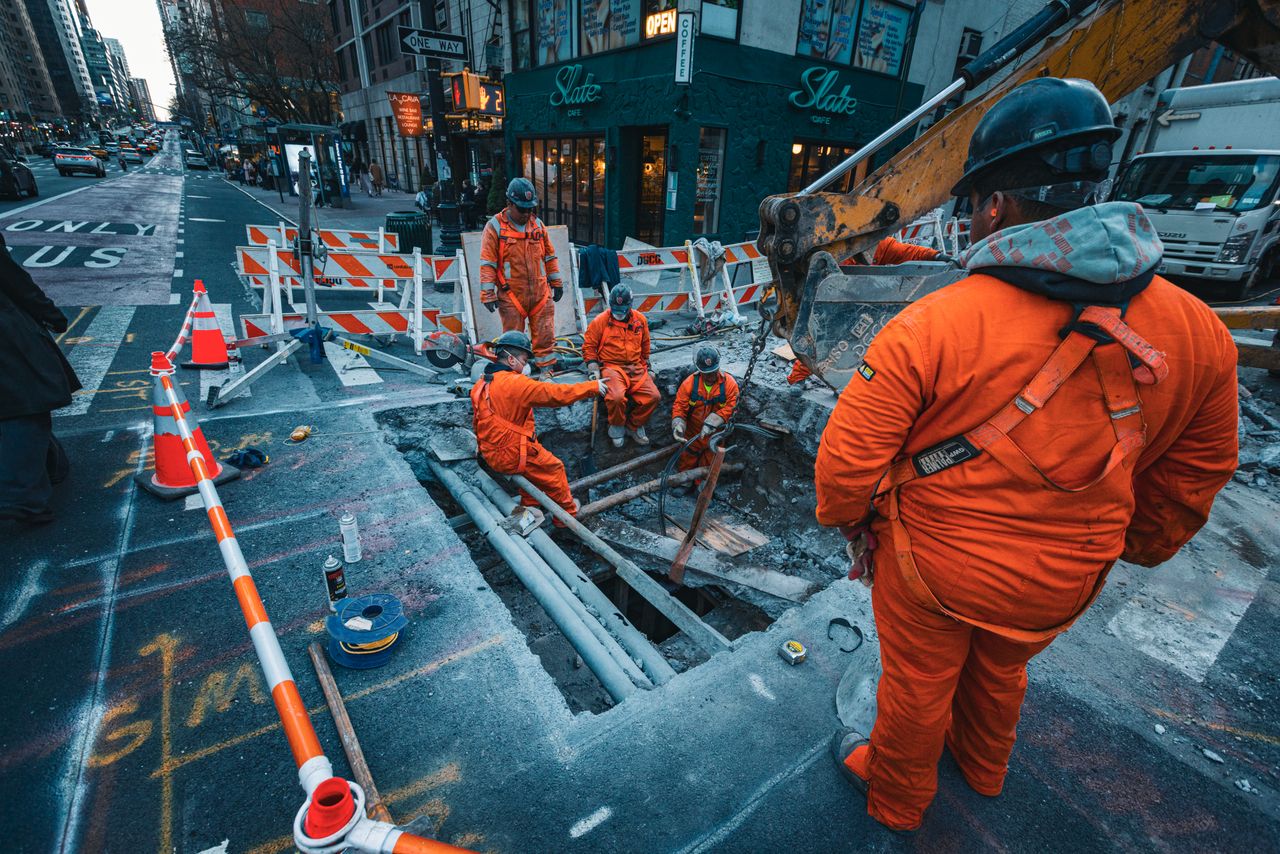
Because water-related failures often occur without warning, understanding when to contact an expert emergency plumber in your area can make a significant difference in limiting damage. However, emergency response is only part of the equation. Long-term durability depends on quality materials, proper installation, climate considerations, and proactive maintenance practices.
Across North America, where seasonal changes can bring freezing winters, heavy rainfall, and humidity fluctuations, water system reliability becomes even more important. Preventing failure is far more effective than repairing widespread damage after it occurs.
The Role of Water Systems in Protecting Structural Integrity
Water systems serve two essential functions: delivering clean water safely throughout the home and removing wastewater efficiently. Both processes must operate seamlessly to protect walls, foundations, and flooring.
When pipes are poorly installed or made from aging materials, small leaks can develop gradually. These leaks may remain hidden for months, slowly weakening structural components. Over time, moisture accumulation can damage framing, insulation, drywall, and subflooring. The resulting repairs often extend well beyond pipe replacement.
Consistent water flow and balanced pressure also reduce strain on fittings and joints. Excessive pressure can accelerate wear, increasing the risk of burst lines. Proper pressure regulation ensures longevity and reduces stress across the entire system.
A durable water system supports the home’s structural health just as much as a strong foundation or roofing system.
Choosing the Right Pipe Materials
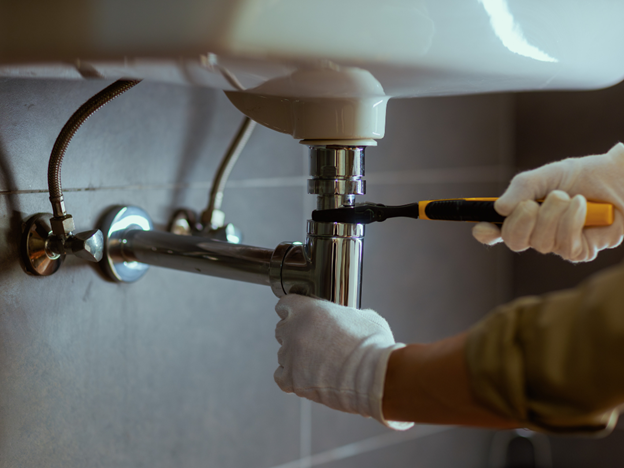
Pipe material selection significantly influences durability and performance. In many North American homes, materials such as copper, PEX, and PVC are commonly used for water supply and drainage systems. Each material offers unique benefits and limitations.
Copper has long been valued for its durability and resistance to corrosion. PEX provides flexibility, which can reduce the likelihood of cracking in freezing conditions. PVC is often used for drainage due to its affordability and resistance to chemical corrosion.
Homes with outdated materials, such as galvanized steel pipes, may experience restricted flow due to internal corrosion buildup. As pipes age, interior surfaces can deteriorate, leading to reduced water pressure and potential contamination concerns.
Selecting appropriate materials during installation or renovation supports long-term system reliability and minimizes the likelihood of premature failure.
Climate Considerations and Freeze Protection
In colder regions, freezing temperatures present a major risk to water systems. When water freezes inside pipes, it expands. This expansion creates internal pressure that can cause cracking or complete rupture.
Proper insulation around exposed pipes, especially in basements, crawl spaces, and exterior walls, reduces freezing risk. Maintaining consistent indoor temperatures during the winter months also helps protect vulnerable sections.
Even small cracks caused by freeze damage can result in significant water intrusion once temperatures rise and ice thaws. Seasonal awareness and preventative preparation are essential components of maintaining pipe integrity.
Drainage Flow and Moisture Management
While clean water delivery receives significant attention, effective drainage is equally important. Slow drainage can indicate blockages, buildup, or improper pipe slope. Over time, restricted drainage may lead to backups, standing water, and moisture infiltration.
Moisture trapped within walls or ceilings creates ideal conditions for mould growth. Mould not only damages building materials but may also affect indoor air quality. Early identification of drainage issues prevents widespread complications.
Maintaining clear drainage paths and addressing slow-moving water promptly protects both health and structural components.
Warning Signs Homeowners Should Not Ignore
Water system issues often present subtle warning signs before escalating into major problems. Paying attention to these indicators allows homeowners to respond quickly and limit damage.
Common signs of underlying concerns include:
- Unexplained drops in water pressure
- Banging or rattling sounds within the walls
- Persistent damp spots or ceiling stains
- Unusual increases in water bills
- Slow-draining sinks or tubs
These symptoms may indicate leaks, air trapped in lines, pressure irregularities, or drainage obstructions. While not every issue signals an emergency, ignoring early warning signs increases the risk of extensive repairs later.
Proactive evaluation helps prevent long-term structural damage.
The Cost of Neglected Maintenance
Neglecting water system maintenance can result in cascading consequences. A small leak left untreated may compromise drywall, warp flooring, and weaken framing. Moisture infiltration may also damage electrical systems or insulation.
Insurance claims related to water damage are among the most common and expensive for homeowners. Preventive maintenance, by contrast, is typically far less costly than restoration work.
Routine inspections, especially in older homes, help homeowners identify aging components before they fail. Replacing worn fittings or upgrading outdated materials extends system life and protects property value.
Pressure Regulation and System Longevity
Water pressure must remain within a safe operating range to prevent strain on pipes and fixtures. Excessively high pressure accelerates wear on joints and connectors, increasing the likelihood of leaks.
Installing and maintaining pressure-regulating devices helps stabilize flow and extend the system’s lifespan. Balanced pressure also improves appliance performance, including dishwashers and washing machines.
Monitoring pressure levels as part of routine home maintenance ensures long-term efficiency and reduces avoidable stress on internal components.
Preventive Care as a Long-Term Investment
Strong water systems contribute directly to long-term property durability and resale appeal. Buyers often evaluate mechanical systems carefully, particularly in older homes. Visible signs of leaks or outdated piping may reduce confidence and influence negotiations.
Consistent maintenance, quality materials, freeze protection, and early intervention demonstrate responsible ownership. These preventative measures preserve both structural health and market value.
When homeowners treat water system care as an ongoing priority rather than a reactive necessity, they reduce the risk of sudden disruptions and costly damage.
Protecting Comfort and Structural Stability
Water is essential for daily living, but it must remain contained within a reliable system. Quality pipes, proper installation, balanced pressure, and effective drainage work together to create a safe and durable environment.
Across North America’s varied climates, proactive attention to water systems helps prevent leaks, mould growth, and structural deterioration. Recognizing early warning signs and maintaining consistent oversight protects long-term comfort and property integrity.
Strong water systems may operate quietly in the background, but their reliability forms a foundational element of a safe and resilient home.