




















A full repipe is not cosmetic work. It shapes water bills, safety, and the feel of the home for decades. Treat it as a project: diagnose, choose materials, source carefully, prep the household. The four steps below are worth walking before the installer arrives. They suit a Victorian terrace with surviving lead and a 2000s build with tired copper alike.
Step 1: Identifying the Warning Signs That You Need Repiping
Few homeowners replumb on a whim. Most do it after a string of symptoms that looked like one-off faults.
The clearest signal is water colour. Yellow and brown tints point to corroding steel or galvanised pipework. Bluish-green suggests copper breaking down inside. The Drinking Water Inspectorate notes that if only your home shows discoloured water, the cause is almost certainly the internal pipework, not the mains.
Pressure is next. If flow drops at several outlets, the cause is usually scale or a hidden leak, not the tap. The picture fills in with damp patches on walls and ceilings, mould, banging pipes, repeat callouts, and creeping water bills.
Material age completes the diagnosis. Lead was banned in the UK in 1970, but pre-war and post-war homes often retain it between the main and the stopcock. Galvanised steel corrodes from inside, producing rusty water. Copper, properly installed, lasts 50+ years before pinhole leaks appear.
Step 2: Choosing the Right Pipe Materials for Your Home
Once the diagnosis is in, the material question follows. Four options work in UK domestic plumbing:
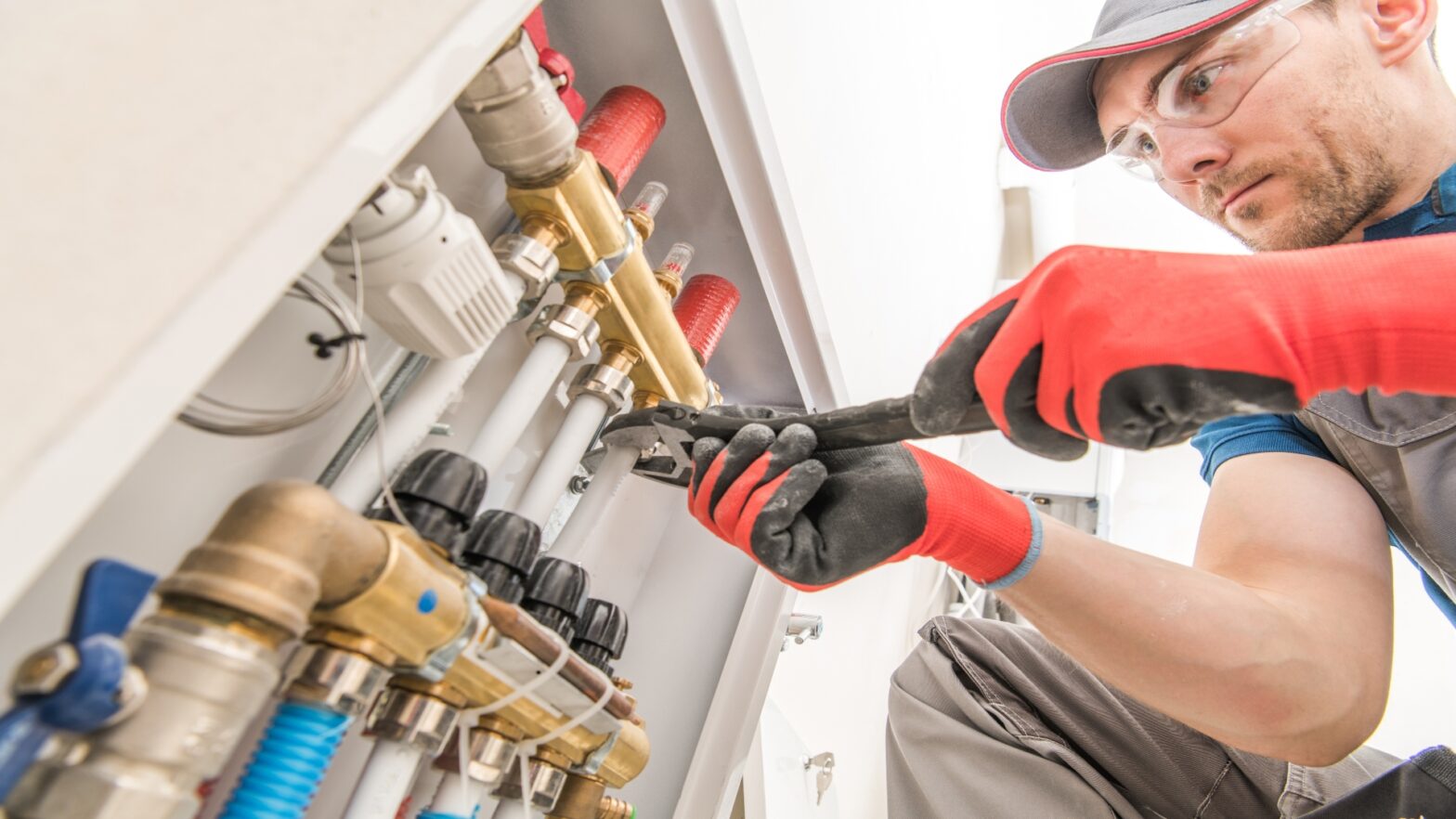
- Copper to BS EN 1057. The traditional pick for heating circuits, hot water cylinders, and exposed runs where rigidity and a tidy finish matter. Works with capillary, solder ring, compression, and press-fit fittings
- PEX, cross-linked polyethylene. Flexible and cheaper than copper, it shrugs off a single freeze. Pipe inserts are mandatory for push-fit work
- Polybutylene push-fit from Hep2O, JG Speedfit, or Polyplumb is the UK retrofit workhorse: quick to assemble, no open flame, which counts in an occupied home
- MLCP, the multilayer composite with an aluminium core, holds a bend, carries an oxygen barrier, and suits underfloor heating and screed-buried runs
Lead is a category of its own. You replace it, full stop. Whatever else goes in, pipes and fittings must carry WRAS approval. The Water Supply (Water Fittings) Regulations require it, and common-sense backs that up.
Step 3: Sourcing Quality Components from Trusted Vendors
Material settled, the next question is whom to buy from. A typical repipe needs hundreds of items: pipes in several diameters, elbows, tees, isolating valves, clips, insulation, consumables.
A good supplier holds up against practical tests. WRAS approval, BS EN 1057 for copper, BS EN 1254 for fittings are non-negotiable. The catalogue should carry brands UK trade uses: JG Speedfit, Hep2O, Pegler Yorkshire, Altecnic, McAlpine, FloPlast. UK warehousing, next-day delivery on stocked lines, and a clear returns policy matter too. Click & Collect is a bonus if the supplier runs a branch.
One-stop UK online merchants such as MonsterPlumb keep the whole spread under one catalogue: copper tube and push-fit, valves and pumps, tools, flux and solder, insulation, consumables. It saves hunting individual lines across branches when you pull a project list.
Step 4: Preparing Your Household for the Construction Process
Household prep often decides whether the work wraps up in a week or drags into two.
Start with the inside stop valve, usually under the kitchen sink, in an airing cupboard, under the stairs, or near the front door. Confirm it really shuts off the supply: older stopcocks seize and never quite close. If there’s a cold water storage tank in the loft, agree how to drain the system and whether the immersion heater needs switching off.
If your service pipe is lead, contact the local water company before work starts. Several, including Thames Water, United Utilities, and Severn Trent, run free partial or full replacement schemes. That can shift both the timeline and the scope of the job.
On the domestic side, lift the rugs, throw dust sheets over furniture, clear skirting boards, and check how easily floorboards lift. Sort out a temporary water plan: bottled water, a shower at a neighbour’s, or a hire heater for longer projects.
The installer deserves a separate line. They must be on the Gas Safe Register for gas work, on WaterSafe, or hold CIPHE membership. This is not paperwork for its own sake: Approved Document G (Part G) requires certain works to be certified, and a missing compliance certificate can bite you when the property changes hands.
A repipe is a planned investment for 30+ years, not an emergency fix. Walk these four steps in order (diagnosis, materials, supplier, prep) and most surprises get caught at the planning stage. The rest is for the contractor and a good plumber.