



















Surface preparation is an often-overlooked but extremely essential aspect of the construction process. Managers and stakeholders sometimes fall into the habit of perceiving it as a trivial preliminary hurdle rather than the technical foundation that it is.
Not giving this crucial stage adequate attention can lead to significant financial and structural problems that only become apparent during critical project phases. Understanding the nuances of substrate prep is essential for mitigating risk and ensuring the longevity of important assets. Top firms treat this phase with the same engineering rigor as the frame itself.
1. Bond Deficiencies
A common problem is failing to account for the specific coating system’s surface requirements for optimal performance. Different materials work best with different anchor patterns. If the profile is too shallow, the coating may peel. Alternatively, a profile that’s too rough could lead to uneven coverage of a specific material.
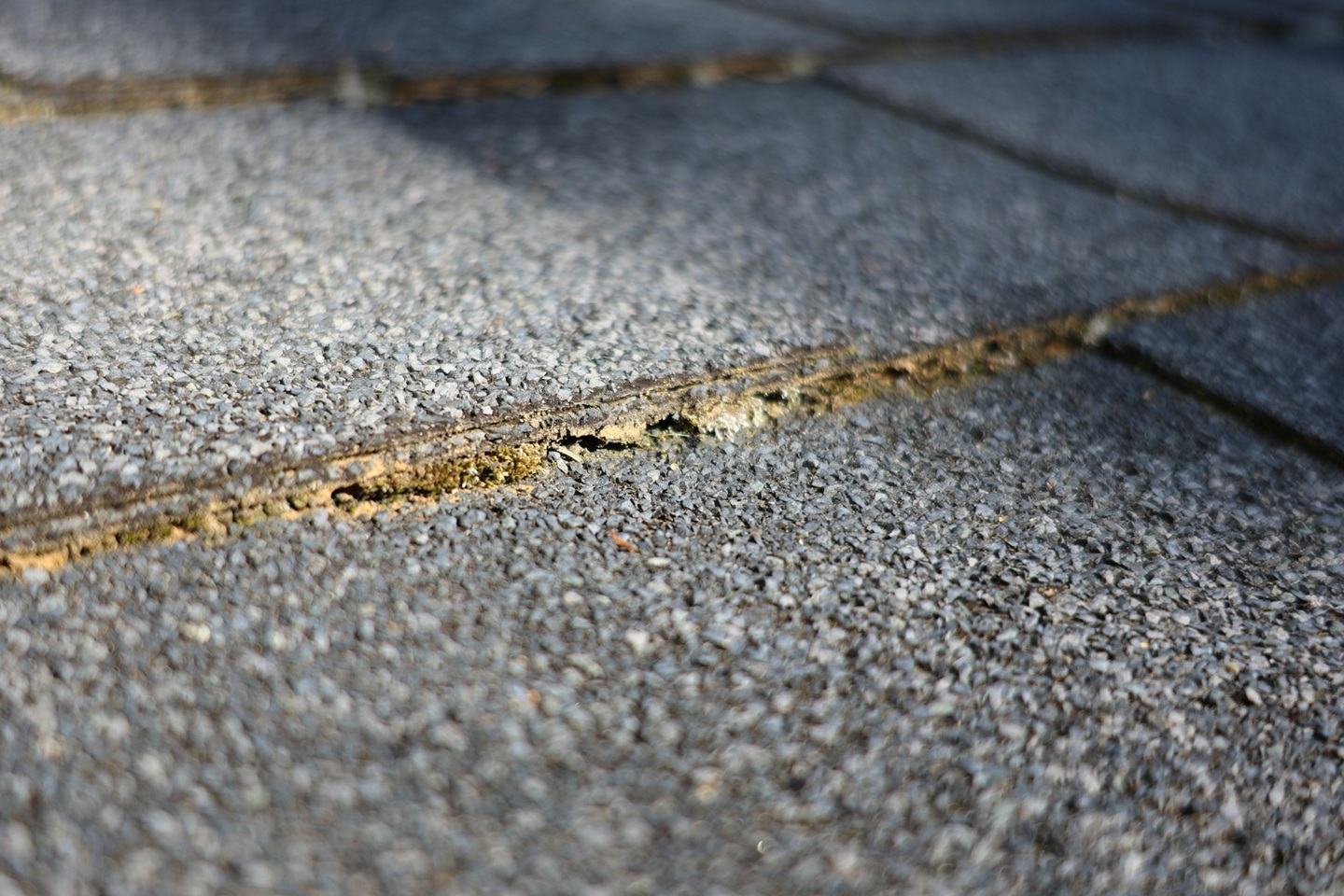
A consequence of failing to optimize the coating surface is delamination. When a certain coating material cannot properly adhere to the substrate, it remains as a separate layer rather than an integrated system. This structural lack leaves the material vulnerable to potential damage, such as moisture seeping into gaps and deteriorating the material below.
An effective way to prevent such inefficiencies is to use digital surface profile gauges, which accurately measure a surface’s peaks and valleys, ensuring the coating is properly calibrated for ideal adhesion. Making these key verification points before any actual application begins is a low-cost setup that prevents high-cost structural repairs.
2. Adhesion Failure via Surface Contamination
Microscopic contaminants such as dust or oil frequently compromise bonding. Even a thin layer of contamination acts as a separative barrier between the substrate and the coating. It is essential to remove any particulate matter from all surfaces before applying finishes, as it can ruin coatings and cause early-stage peeling.
Furthermore, grease is particularly problematic for high-performance epoxies, as it prevents the chemical reactions necessary for the coating to cure properly. This results in the substance not fully hardening, leaving a tacky finish and making the surface vulnerable to chemical exposure.
Environmental control is nonnegotiable. Robust cleaning procedures decrease the likelihood of dust settling on surfaces, helping coatings to dry properly and maintain desired aesthetics. Failure to do so necessitates expensive corrective grinding and repeated cleaning cycles.
3. Osmotic Blistering
When using porous substrates like concrete, moisture can seep into the material and become trapped once coating is applied. This causes significant structural problems because evaporating moisture has no exit route, leading to osmotic blistering that manifests as liquid-filled pockets beneath the finish surface.
Beyond ruining visual appeal, latent moisture breaches a coating’s protective barriers, creating entry points for external elements. In colder climates, this moisture undergoes freeze-thaw cycles, leading to peeling and delamination. Repairing these damages is far more costly than the initial prep.
Mandatory moisture testing is integral to mitigating this risk. Teams should utilize calibrated meters to ensure the substrate meets manufacturer specifications. Waiting for solvents to fully evaporate is mandatory for high-quality results. Rushing this process leads to surface failures and costly repairs, underscoring the importance of adhering to drying timelines.
4. Accelerated Corrosion
Metal substrates can sometimes experience flash rust during the time between cleaning and coating. Once the oxidized surface of the substrate is sealed, steel components slowly degrade while the exterior appears fine. This thin layer of unnoticed corrosion can lead to catastrophic structural deterioration later.
In these circumstances, simple maintenance is insufficient. Managers must orchestrate entire structural overhauls and replacements, which halt a project and are immensely expensive. This is because once oxygen and moisture are trapped, the oxidation process gets catalyzed by the very coating intended to prevent it.
A standard preventive measure against this outcome is applying rust inhibitors or primers immediately after cleaning the surface. This eliminates any opportunities for oxidation and the potential for expensive, reactive structural interventions later in the building’s life cycle.
5. Logistical Complications and Project Delays
When a surface fails, it creates a major logistical headache for management teams and stakeholders. Specialized gear is required to strip the coating, which is costly. Additionally, managers must consider the fees incurred from extra labor and hazardous waste disposal.
Reworking a site can also entail contract penalties if delays are prolonged, which harms reputations and important professional relationships. This can even lead to higher scrutiny from insurance companies.
The best solution is scheduling inspections into the project timeline. These pauses allow for deep operational evaluation and serve as a safeguard against catastrophic system failures.
Maximizing Resilience Through Proper Surface Preparation
There are many significant consequences of suboptimal surface preparation. When construction companies are not meticulous during this crucial stage, it often leads to project delays and costly repairs, resulting in reputational damage.
A commitment to thorough preparation is a true hallmark of an authoritative construction practice. By taking the time to understand the structural issues that come with poor surface readiness and to build robust preventive measures against them, construction companies increase their likelihood of achieving longevity.
Lou Farrell
Lou has been the Senior Editor of construction, manufacturing, and technology for Revolutionized Magazine for over 4 years. In that time, he’s crafted countless articles diving into complex topics and breaking them down into actionable and informative insights. He loves being able to share what he knows with others, and writing is his top passion in life.