


















Most homeowners start the pool process the same way. They open a browser, type in a local search, and compare names, photos, and promises. It feels practical. It feels efficient. It also leaves out the part that shapes the whole experience.
A pool is not just a shell going into the ground. It is excavation, drainage, access, utilities, permits, decking, finish work, timing, communication, and dozens of small decisions that either stay organized or drift off course. That is why smart buyers stop treating the search like a hunt for the nearest installer and start treating it like a search for the team that can truly run the job.
The difference shows up long before the first swim. It shows up in how clearly the process is explained, how the site is evaluated, how the hardscape connects to the pool, and how many moving parts the homeowner is expected to manage alone.
1. Ask who is actually coordinating the entire project
This is the first filter that matters. A search for “swimming pool installation near me” often turns up plenty of companies that can sell a pool. That does not always mean they are managing the full job from planning to final walkthrough.
A homeowner needs to know who is handling the timeline, who is scheduling crews, who is communicating changes, and who is responsible when one phase affects the next.
2. Ask how the builder approaches the backyard as a whole, not just the pool
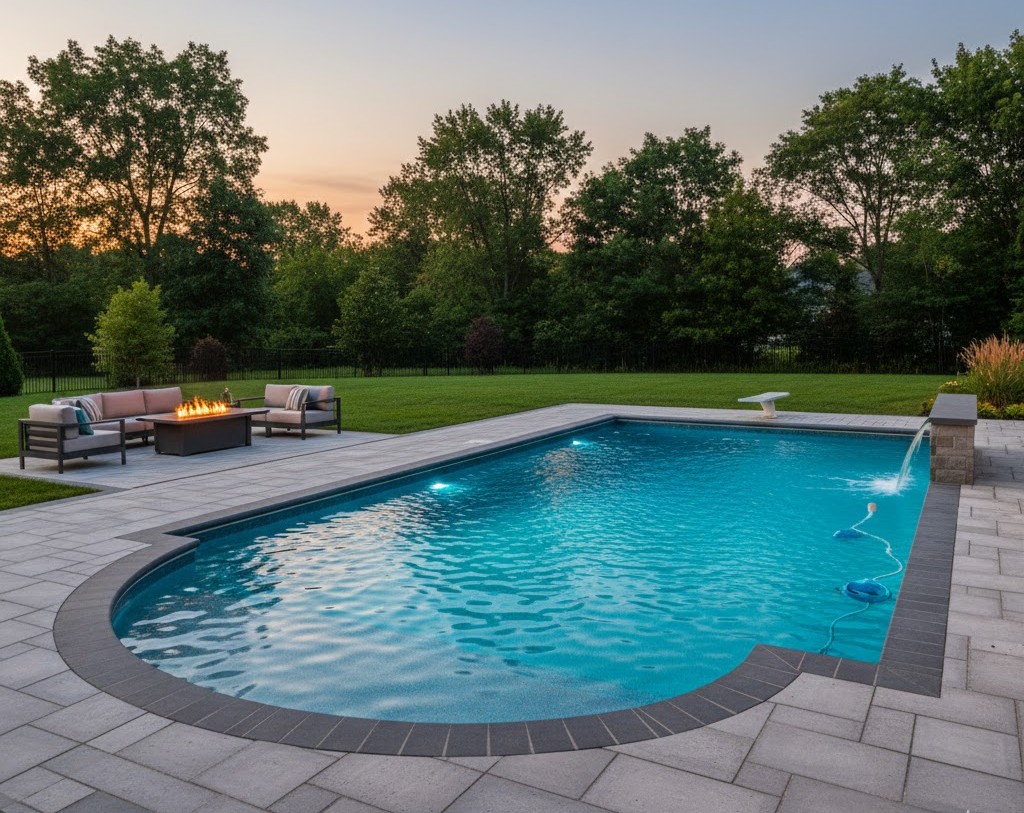
A pool changes how the entire yard works. It affects traffic patterns, seating areas, privacy, lighting, drainage, and the way the space feels.
That is where problems start. A pool can look great in a photo and still feel awkward in real life if the patio is too tight, the transitions are clumsy, or the layout leaves no comfortable room to gather. A better conversation sounds more complete. It includes things like:
- how the pool will relate to the home’s existing lines and sightlines
- where people will walk when the deck is wet
- how lounge space, dining space, and access points will work together
whether the project leaves room for a future spa, fire feature, or shade structure
3. Ask what part of the work is in house and what part is outsourced
This is one of the most useful questions because it tells a buyer how much control the company really has. Some builders rely heavily on outside crews for major phases. Others keep more of the process under one roof.
That matters because coordination tends to improve when the people doing the work already operate as one system. Communication is faster. Standards stay more consistent.
4. Ask how site conditions are evaluated before promises are made
Every yard has a personality. Some are open and easy to access. Others have grading issues, tight entry points, drainage concerns, utility conflicts, or tricky elevation changes.
A good builder does not rush past these details. They look at access for excavation and delivery. They think through water movement. They account for the relationship between the pool area and the rest of the property. This is especially important in areas where local soil conditions, seasonal shifts, and permit requirements can change how a project should be planned.
5. Ask how the company handles permits, approvals, and sequencing
A homeowner should not have to drag answers out of a builder on this point. The process should be clear. The order of work should make sense. The responsibilities should be obvious.
When sequencing is weak, the project starts feeling chaotic. Materials show up before the site is ready. One phase ends and nobody knows when the next begins. A more professional process usually includes:
- permit and engineering steps handled early
- a realistic construction sequence explained in plain language
- clear milestones from excavation to startup
- one point of contact for updates and decisions
6. Ask what the finish work says about the company’s standards
Many homeowners focus on the big visual. The pool shape. The waterline. The color. Those things matter. What often gets missed is the finish work around them. The coping line, the decking transitions, the equipment placement, and the feel of the approach from the back door. These details tell the real story.
That is one reason photo galleries matter when reviewing a builder. The company should be able to show projects where the pool and surrounding surfaces feel intentional together, not pieced together after the fact.
7. Ask how communication works once the contract is signed
This is where many service businesses reveal their true operating style. Sales communication is usually polished. Build phase communication is what counts.
A homeowner should know who to call, how updates are shared, and how change orders or surprises are explained. Silence during construction is rarely a good sign. Strong project communication often has a few clear traits:
- the customer knows the primary contact by name
- schedule changes are explained early, not after the fact
- design and field decisions are documented clearly
- the homeowner never feels like they have to chase the team for basic answers
On the company’s own site, customer reviews repeatedly mention start to finish communication, attention to detail, and full process oversight.
8. Ask what happens after installation is complete
A pool project does not end the day the water goes in. That is actually when a new phase begins. Equipment needs to be understood. Maintenance routines need to make sense. Seasonal care, upgrades, and future adjustments become part of ownership.
This is why full service support matters. Homeowners benefit when the same company can stay involved after the install, whether that means maintenance guidance, equipment updates, seasonal support, or renovation work later on.
The site reviewed emphasizes ongoing service and support after installation, not just the initial build, which aligns with what many buyers really want even if they only start out searching for a local installer.