


















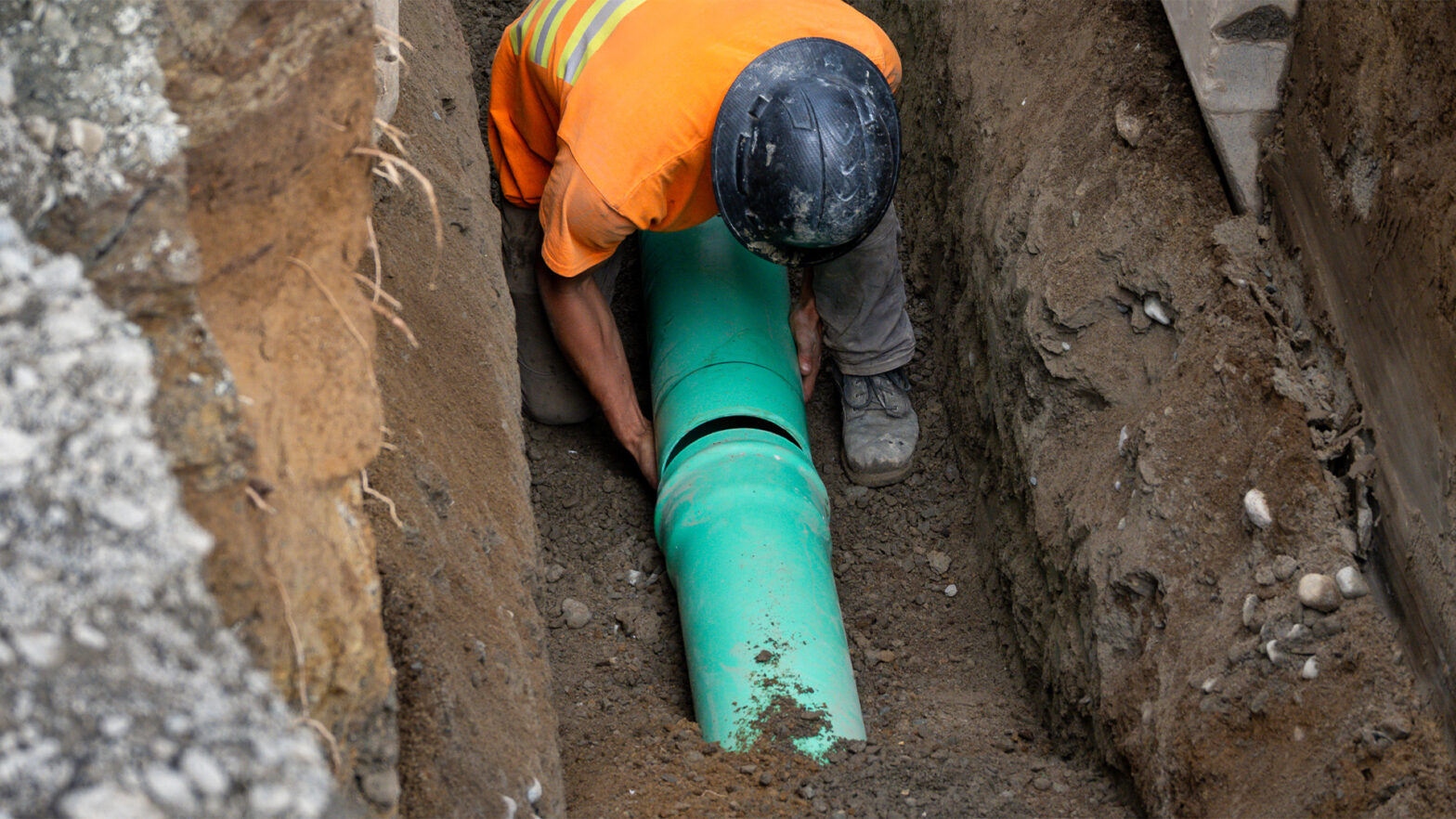
Experts in construction, engineering and water infrastructure have adopted automation for several purposes. Temperature sensors prevent pipe freezing, and the additional oversight can alert professionals to cracks that could lead to emergencies, prevent burst pipes and remove the need for manual inspection in sub-zero pipe operations. Thermal sensing and its peripherals are the most effective way to embrace condition-based monitoring and advance the sector to more reliable futures.
Acoustic Leak Detection
Sensors do more than visualise changes in piping infrastructure — they hear them. Audible changes could be an earlier sign of failure than rust accumulation or freezing. Experts place these sensitive sensors throughout networks to supplement thermal sensing capabilities. Acoustics can detect dripping leaks or frost formation. They are precise enough to detect a pinhole, which would be impossible with conventional inspection practices.
Research suggests that preventing leaks and frictional losses in water pipes could save the estimated 1.4 billion gallons lost to small leaks each year in the U.S., but this is an international problem. The leaking areas could also have different temperatures from nearby areas, especially if the rest of the network is already frozen, which would serve as another indicator to take action.
Continuous Pressure Monitoring With Transducers
Changes in temperature may correlate with shifts in pressure. Traditionally, workers would measure sections of pipe periodically with a gauge, which provides only a perspective of its status in the moment — not over time. Sensor-based transducers enable continuous monitoring, allowing immediate action to stop an abrupt burst.
Pressure transducers in sub-zero pipes will only function if they are made from the correct materials. Cold-resistant steel and aluminium alloys, built for rugged applications, will help deter miscalibration that can lead to signal drift. These materials also minimise corrosion in coastal areas, which are also prone to temperature fluctuations.
The elements are vital for servicing locations such as high-rise buildings, where pipes need to maintain temperature and pressure to deliver utilities over long distances. Temperature fluctuations could lead to water hammer and safety incidents due to unexpected system shocks caused by dysfunctional valves and regulators.
External Temperature Sensing for Freeze Prevention
Thermal sensors are the most direct way to mitigate safety concerns associated with sub-zero piping. They can use comparative analysis to observe environmental conditions against localised, historical weather data to determine anticipated threats to structural integrity. The technology could identify trends that indicate a cold snap is about to threaten them before temperatures drop. Early notification is crucial for preventing burst pipes and reducing workforce exposure to safety hazards.
Pipes without insulation in hard-to-access spaces need this oversight, including crawlspaces and attics. They can notify workers before temperatures reach freezing, rather than taking action reactively after sub-zero temperatures have already caused damage.
Temperature sensors prevent pipe freezing even more effectively when connected to building management systems (BMSs). A BMS can trigger activity based on programmed parameters. Crucial fixtures, such as sprinkler systems, may not trigger if the flow stops in freezing conditions. A BMS connected to thermal sensors can activate heat tracing technologies to turn on warming cables or supplementary pumps without human intervention, eliminating worries of an inactive fire safety system. This functionality evenly distributes heat year-round, ensuring consistent temperature regulation.
Temperature and flow are inextricably linked. Observing flow trends with smart sensors leverages ultrasonic and magnetic meters to gather information like usage trends based on occupancies, the time of day and more. A low-flow notification could indicate sub-zero conditions, especially if the pipe has not yet burst. This monitoring is crucial for discovering anomalous behaviour, especially at uncommon usage hours.
Strain Gauges for Mechanical Stress Monitoring
The weight of ice and moisture on piping infrastructure and connected instruments is immense. Having sensors detect when this extra stress is present will give workers an even more comprehensive picture of pipe health.
Fixtures such as strain gauges monitor the strength of piping joints and bonds. These can include elements like the soil and pipe diameter when estimating robustness. They can detect warping, compression and stretching, which frequently occur, especially in extreme temperatures. The smallest shift, which could be invisible to the naked eye, could lead to unexpected injuries in workers if they are on-site for maintenance.
However, employees could take more appropriate protective measures if they knew the potentially dangerous microscopic shifts that have altered the network’s physical stress and shape. Before they install supports or vibration dampers, they could warm the region to safe levels, wait for the strain gauges to normalise, then take action.
Smart sensors will also keep records of how much fatigue sections of the network are under. This could inform smarter retrofits, such as replacing materials with more appropriate ones for sub-zero conditions that may previously not have been considered a threat.
Seeing the Impacts of Temperature
Thermal sensors add a visual element to pipe maintenance and observation that professionals need in the modern landscape. As nations work to conserve resources and upgrade grids to meet growing population and water demand, preserving network stability and worker safety is the highest priority. The sector must embrace automation and monitoring to obtain these benefits and better care for workers and citizens.