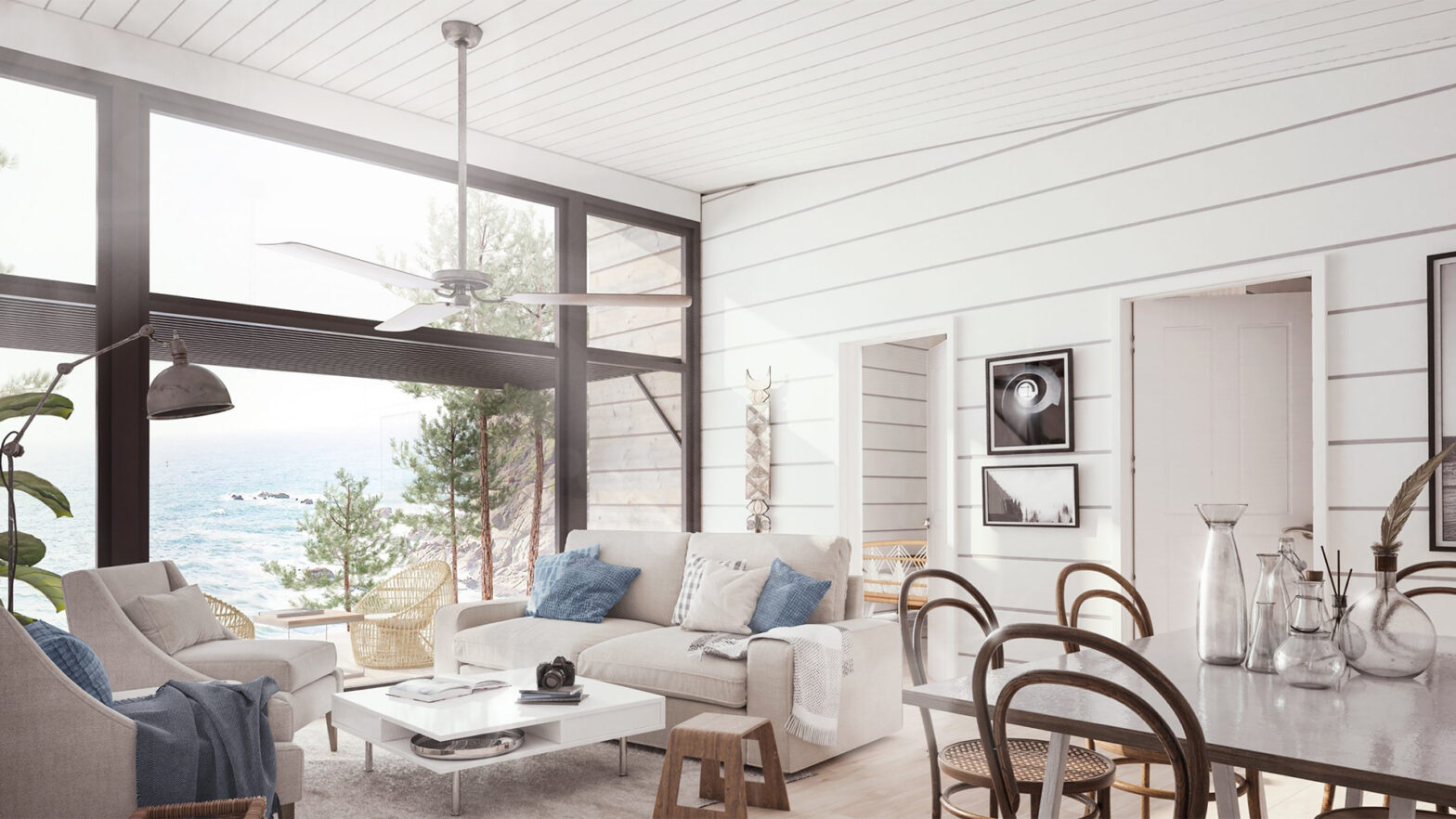










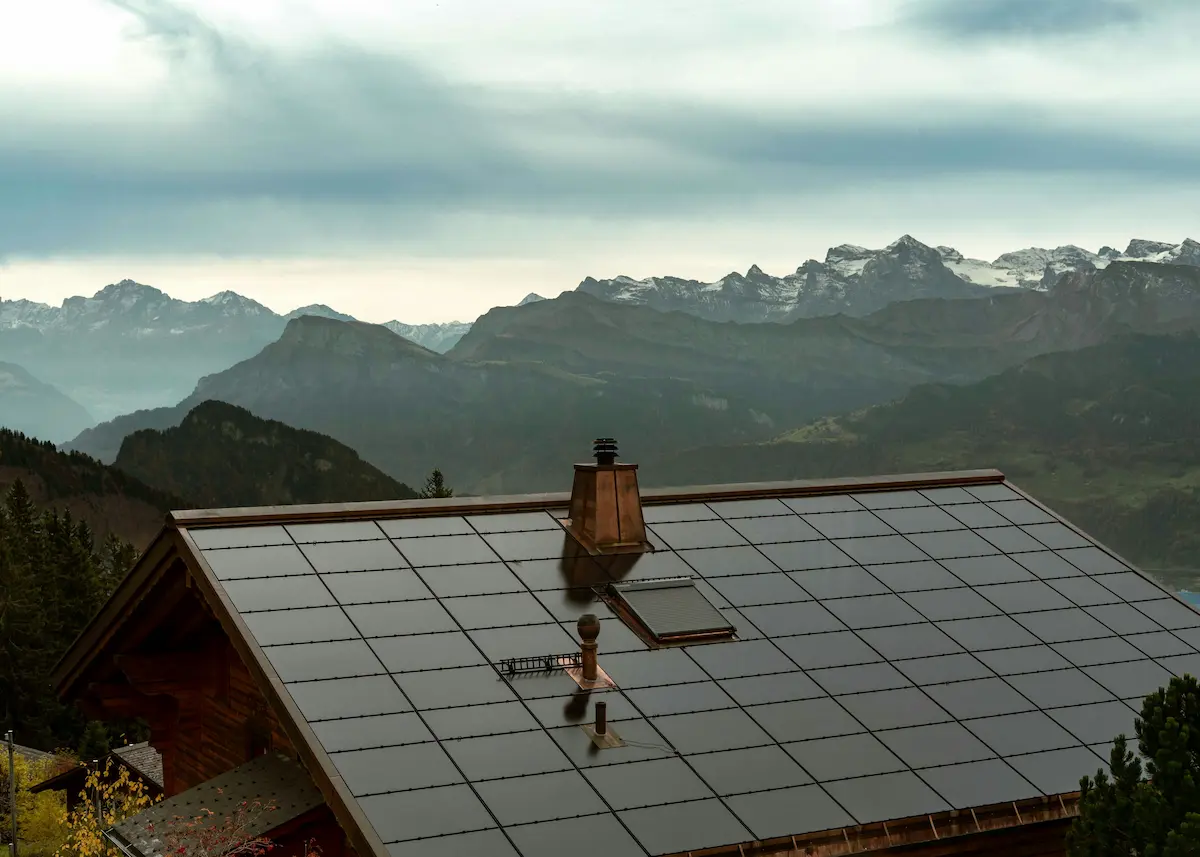











Treat solar energy as an early-stage design requirement, not a post-construction afterthought. To build an efficiently integrated property, an off-grid cabin solar system should be considered during the initial architectural and site planning stages. Because shade is one of the biggest design constraints, builders must map local obstructions using a sun path study long before foundation work begins.
Proper solar planning influences much of the physical layout. Builders should carefully think about roof direction, structural shading, and whether dual-purpose solar placement can act as passive cooling by shading windows. Furthermore, layout decisions directly influence equipment placement, the required battery storage space, protected wiring runs, and weather exposure strategies. Ground mounts, for instance, affect exterior staging but improve positional flexibility. By leaving dedicated room for future system expansion now, the cabin is easier to adapt as energy needs grow.
Start With the Cabin’s Energy Load
The correct system size depends directly on how much power the cabin will use each day. Before purchasing hardware, builders and owners should list all expected loads down to the watt. This inventory must include continuous and heavy-draw items such as lighting, refrigeration, water pumps, phone charging, internet equipment, heavy tools, small appliances, and heating or cooling support systems.
Power profiles differ dramatically by use case. A weekend cabin requires modest generation, a seasonal cabin demands adaptable flexibility, and a full-time cabin relies on larger, more consistent generation and storage. By measuring the daily watt-hour use—while adding a recommended 20 percent buffer for unavoidable inverter efficiencies and parasitic draws—you establish a practical baseline. This calculated daily electrical limit should confidently guide the physical scale of the panels, batteries, the inverter, and all other balanced system components.
Solar Panels: Capturing Enough Power for the Site
Solar panels act as the prime power source for the entire system, but their real-world performance depends heavily on direct sunlight exposure, correct roof angle, true orientation, localised shading, and seasonal weather variance.
Builders must evaluate roof-mounted versus ground-mounted arrays. Ground mounts typically offer considerably easier maintenance and better structural positioning, specifically allowing manual tilt adjustments to capture low-hanging winter light. Conversely, roof mounts may save valuable surface space but remain strictly dependent on the underlying roof design and angle limitations. Shading should be carefully avoided because many solar cells and panels operate in series; partial shading can significantly reduce output depending on the module design, bypass diodes, and string configuration. Builders should intentionally leave structural and electrical room for future expansion, allowing additional panel arrays to connect easily if the cabin’s energy needs grow.
Battery Bank: Storing Power When the Sun Is Gone
Batteries store energy for nighttime use, heavy overcast weather, and periods when the cabin is unattended. The battery bank is especially important for remote, isolated cabins because there may be no utility grid power to fall back on during a deficit.
Battery capacity should be intentionally sized based on two factors: the calculated daily energy use and the exact number of days of backup power desired, often referred to as days of autonomy. While moderate environments might survive on three days of reserve, colder or more remote sites may need four to five days, depending on usage and backup options. Lithium or LiFePO4 batteries have emerged as common modern options for off-grid solar systems. Compared with many lead-acid setups, LiFePO4 batteries can often support deeper usable discharge and longer cycle life when properly specified.
Charge Controller: Protecting the Batteries and Managing Solar Input
The charge controller sits between the solar panels and the battery bank. Its job is to regulate power from the panels so the batteries charge safely and efficiently. To reduce voltage drop and simplify high-current wiring, the unit should usually be positioned as close to the battery bank as practical.
A charge controller is the safeguard between the solar array and the battery bank. It helps prevent overcharging, protects battery life, improves system reliability, and allows both sides of the system to work together without unsafe voltage or current mismatches. For remote cabins that may sit unattended between visits, choosing the right solar charge controller is a practical reliability step because it helps protect the battery investment and keeps the system operating safely as conditions change.
MPPT charge controllers are often preferred for off-grid systems because they can improve energy harvest compared with simpler PWM controllers, especially when sunlight, temperature, or panel voltage conditions vary. While PWM controllers are simpler and often suited to smaller matched-voltage systems, MPPT controllers can convert excess panel voltage into additional charging current. Correct sizing helps avoid overload, heat-related performance losses, and premature equipment stress.
Inverter: Turning Stored DC Power Into Everyday AC Power
While external solar panels and internal batteries produce and naturally store DC power, many standard household appliances operate on AC power. To bridge this gap, the inverter actively converts stored DC power into usable AC electricity for the main panel.
Covering peak startup spikes is precisely why inverter sizing matters. Everyday appliances equipped with motors, well pumps, large compressors, or job-site power tools naturally carry drastically higher startup loads than their listed normal running wattage. Inverters must comfortably handle these aggressive surges without tripping offline. Furthermore, environmental operation is critical. Builders must plan inverter placement carefully with open ventilation, mechanical accessibility, clean wiring, and fire safety in mind, ensuring the unit possesses sufficient air gaps and remains isolated from combustible areas.
Mounting, Wiring, Breakers, and Safety Hardware
The hidden supporting hardware is arguably just as important as the primary generation components. A resilient system requires specifically rated panel mounts, durable racking, structural conduit, weatherproof exterior wiring, dedicated DC-rated fuses, breakers, isolation disconnects, deep grounding, and properly protected cable routes.
From a strict building perspective, these layouts must be integrated early. Planning direct conduit paths, heavy equipment locations, and straightforward maintenance access during construction can explicitly prevent expensive, destructive retrofits later. Properly rated fuses, breakers, and disconnects help protect equipment and support safer maintenance. Importantly, all foundational electrical work should rigorously follow applicable safety codes and be handled strictly by qualified professionals where required by regional code enforcement. Properly mapping these runs ensures the balance-of-system hardware functions reliably as a single cohesive unit.
Backup Power and Seasonal Resilience
Successful off-grid cabins need to be physically designed for real-world atmospheric conditions, not just mathematically modeled for ideal summer sunlight. Shortened winter days, heavy snow cover, extended overcast weather, and dramatically increased thermal energy use can all severely handicap daily system performance.
To prevent total depletion, discuss integrated backup power options such as equipping a supplemental generator or constructing a larger battery reserve specifically for year-round cabins. Employing a moderate-month sizing strategy typically works best: size the main solar array for moderate seasons, but use the generator purely to bridge the darkest weeks. Backup hardware profiles shift dynamically based on occupant intent; cabins used only on weekends may have fundamentally different backup demands and fuel-storage requirements than deeply remote cabins used safely full-time.
Common Planning Mistakes Builders Should Avoid
Avoiding installation flaws guarantees performance. Builders should avoid the following specific planning mistakes:
- Treating solar infrastructure as an afterthought.
- Undersizing the battery bank against peak demands.
- Forgetting how winter sunlight reduction deeply impacts charging.
- Ignoring structural room for future expansion.
- Executing poor battery or inverter placement without required ventilation.
- Not leaving spatial room for critical service access.
- Using buried wiring routes that are difficult to inspect or maintain.
- Choosing components directly without initially checking strict electrical compatibility.
A reliable off-grid cabin solar system depends heavily on perfectly matching all integrated components together, not simply buying hardware separately.
Final Thoughts
A reliable off-grid cabin solar system starts with early planning. Builders should strictly account for daily energy use, safe structural solar panel placement, responsive high-capacity battery storage, balanced charge control, surge-ready inverter capacity, direct wiring safety, and heavy seasonal resilience well before the cabin’s interior is finished. When each independent component is strategically planned as an integrated part of the building itself, the property prevents compounding failures. Ultimately, the cabin becomes more reliable, efficient, and comfortable for long-term off-grid use.