






















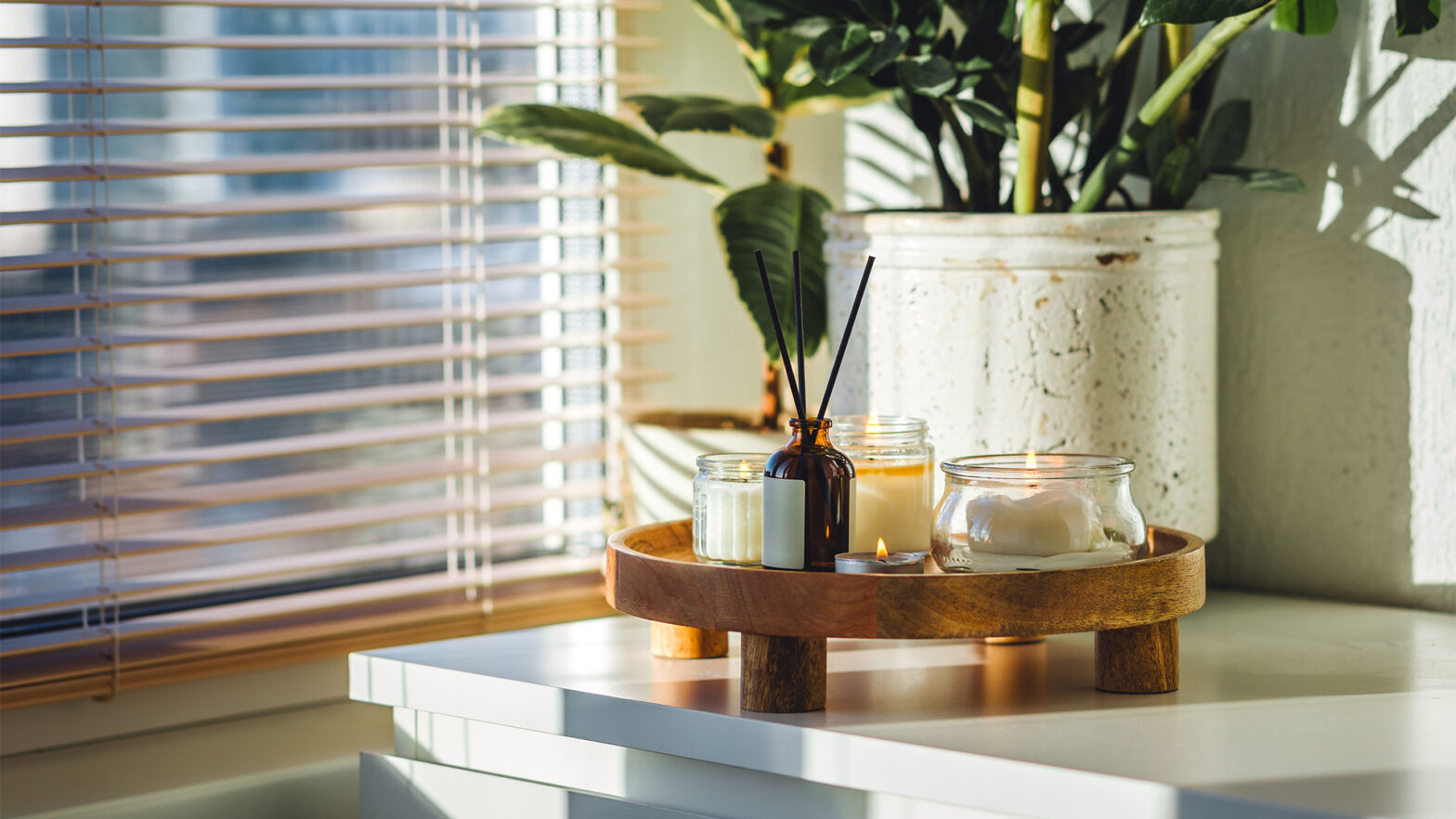
We spend hours choosing the right colours, furniture and flooring for our homes, but according to interior experts, there is one element many homeowners are overlooking when it comes to creating the perfect space: scent.
With interest in minimalist interior design soaring by +18% over the past month alone, the pared-back aesthetic is once again proving popular, with homeowners embracing neutral colours, natural materials and clutter-free spaces.
But while the right flooring, furniture and accessories can help create the look of a room, experts say fragrance should also be considered as part of the overall design.
Johanna Constantinou, Interior Trends Expert at Tapi, and Sophie King, Fragrance Expert and creator of Soki London, have revealed how to match scents to different interior styles, as well as when to deliberately contrast fragrance with your décor to change the atmosphere of a room.
1. How to match your home fragrance to your interior style
Fragrance should be thought of as another layer of interior design, with the colours, textures and materials used in a room helping to determine which scents will work best.
Johanna says: “When we think about designing a room, we tend to focus on what we can see, the colours, flooring, furniture, lighting and accessories, but scent can have just as much influence over how a space feels.
A fragrance can enhance the atmosphere you’ve created through your interiors, whether that’s making a room feel calm and cosy or fresh and energising. Thinking about scent alongside your colour palette and textures can help create a much more considered space.”
Sophie adds: “We naturally associate visual details with particular scent families. A light, airy room with pale colours and natural fabrics may suit fresh citrus, delicate florals or clean, watery notes. By contrast, a room featuring velvet, deep brown toned flooring or deep jewel tones can carry richer fragrances such as amber, sandalwood, spice or smoky woods.”
Texture can also influence the choice of fragrance, with linen, cotton and pale woods lending themselves to softer, understated scents, while leather, velvet and heavier textiles can support warmer, more enveloping aromas.
2. Minimalism is back, with calming greens taking centre stage
Minimalist interiors have seen an 18% increase in interest over the past month, suggesting the clean, pared-back aesthetic is once again gaining popularity as we move into the end of the year.
Johanna explains that when creating a minimalist home, fragrance can be used to reinforce the simplicity of the space without adding visual clutter.
“Minimalist interiors don’t necessarily mean a space has to feel characterless,” she says. “The beauty of a pared-back room is that every element has more impact, so a carefully chosen fragrance can become a subtle way of introducing warmth and personality without compromising the clean aesthetic.
“I’d look towards understated scents with a small number of recognisable notes, rather than anything overly complex or overpowering. Woody, green and fresh fragrances can work particularly well alongside neutral colours and natural materials.”
With Dulux’s Colour of the Year, Soulful Sage, highlighting the growing appeal of soft, nature-inspired greens, these tones can also provide a useful starting point when choosing a complementary home fragrance. Neutral and muted green palettes pair naturally with fresh, botanical scents, while earthy notes such as cedarwood, fig and moss can help enhance the connection to nature and create a calming, cohesive feel.
Sophie recommends scents such as bergamot and cedar, fig and musk or soft green tea for minimalist spaces.
3. From focus to relaxation, the scents to use in every room
The purpose of a room should also influence the fragrance you choose, with different scents helping to reinforce the atmosphere you want to create.
For a living room, Johanna recommends considering how the room is used before selecting a scent.
“Living rooms are often multifunctional spaces, so you want a fragrance that creates a sense of comfort without making the room feel sleepy,” she says. “Woody, green and softer aromatic fragrances can work beautifully here, particularly when paired with natural textures, warm lighting and comfortable furnishings.”
Sophie recommends sandalwood, cedar, fig leaf, tea and gentle musks for a calm but sociable living space.
A bedroom, meanwhile, should have a softer sensory environment. Lavender, chamomile, gentle florals, sandalwood, vanilla and clean musks can help create a more restful atmosphere.
Johanna says: “Your bedroom should feel like a retreat, so I’d avoid anything too stimulating or overpowering. Think about the colours and textures you’ve used in the room and choose a scent that supports that sense of calm rather than competing with it.”
In the bathroom, citrus, eucalyptus, mint, marine notes and clean florals can complement water and cool surfaces, while spa-inspired combinations can make the space feel more luxurious.
4. How to use fragrance to bring personality to colourful interiors
While minimalist interiors can benefit from understated fragrances, more colourful and maximalist spaces can handle bolder scent profiles.
Johanna explains: “If you’ve used vibrant colours or lots of patterned motifs in a room, you can either echo that energy through your fragrance or deliberately introduce something calmer to create balance. It’s about deciding whether you want your scent to amplify the personality of the room or soften it.”
Bright interiors can be complemented with uplifting citrus scents such as lemon, grapefruit and bergamot, while green and herbal fragrances such as sage can provide a more calming counterbalance.
Sophie says: “A maximalist space can carry something more expressive and unexpected, such as a rich floral, spiced amber or fruit combined with woods. However, you can also use contrast: a restrained fragrance may prevent a colourful room from feeling overwhelming, while a bold scent can give a neutral room greater personality.”
However, the experts agree that homeowners don’t always have to match their fragrance perfectly to their décor.
Sophie says: “Matching the scent to the décor creates harmony, but contrast can make a room much more memorable. For example, a very sleek, minimalist room might feel warmer and more inviting with a sensual amber or creamy vanilla fragrance.”
5. Don’t let your home fragrance overpower the room
Choosing the right fragrance is only half the battle, with intensity also playing an important role.
Johanna says: “The size of the room should always be considered when choosing how much fragrance to use. A small bedroom can quickly feel overwhelmed by a strong scent, whereas an open-plan living space may need more diffusion to create the same effect.”
Smaller rooms usually require less fragrance, with a lightly scented reed diffuser or delicate citrus, tea, linen or soft floral scent often being enough.
Larger or open-plan spaces can accommodate stronger notes such as amber, woods, spices or richer florals.
Sophie also warns that becoming accustomed to a scent can lead people to use more than they actually need.
“We can become less aware of a scent when we’re exposed to it continuously. This is known as olfactory adaptation and can lead people to use more and more fragrance, even though visitors may already find the original level quite strong,” she says.
Rather than continually increasing the amount of fragrance, she recommends rotating scents seasonally or taking occasional breaks to reset your perception. Scents should not only suit the room or its purpose, but can also be used to reflect the changing seasons. Spring calls for lighter, fresher fragrances, while summer lends itself to bright citrus notes. As autumn and winter arrive, richer, warming scents such as spices become more popular, helping to create a cosy feel at home.
6. How to layer home fragrances without creating a scent clash
Different rooms don’t need to smell identical, but creating a subtle connection between them can make the home feel more cohesive.
Sophie recommends choosing fragrances that share at least one common note.
“For example, different rooms might feature citrus in one form or another, moving from a fresh lemon scent in the kitchen to bergamot and woods in the living room,” she says.
Johanna adds: “Think of your home fragrance in the same way you would think about your colour palette. You don’t necessarily want every room to look identical, but having elements that flow from one space to another can make the overall home feel more considered.”
Homeowners should avoid placing several strong fragrance products together in the same room. Instead, one scent should act as the focal point, with any supporting products kept subtle.
7. The finishing touch that can completely change how your home feels
Johanna says: “Scent is often treated as an afterthought, but it can completely change the way we experience a room. You can make a space feel more welcoming, relaxing or energising without moving a single piece of furniture simply by introducing a fragrance that supports the atmosphere you’re trying to create.”
Johanna’s advice similarly highlights how scent can influence both mood and environment, and how introducing a diffuser or candle can transform the atmosphere of a room without the need for a major makeover.
Sophie concludes: “Fragrance adds an emotional dimension that we cannot see. It can soften a room, introduce energy or completely change the way the space feels without altering anything visually.”
So whether you’re embracing the renewed popularity of minimalist interiors, creating a colourful maximalist home or simply looking to make your living space feel more inviting, the finishing touch could be as simple as choosing a scent that works with – or deliberately against – the space around it.
For more information on how to match your ideal scent to interiors, please visit https://www.tapi.co.uk/the-ideas-hub/lifestyle/how-to-find-your-ideal-home-fragrance