









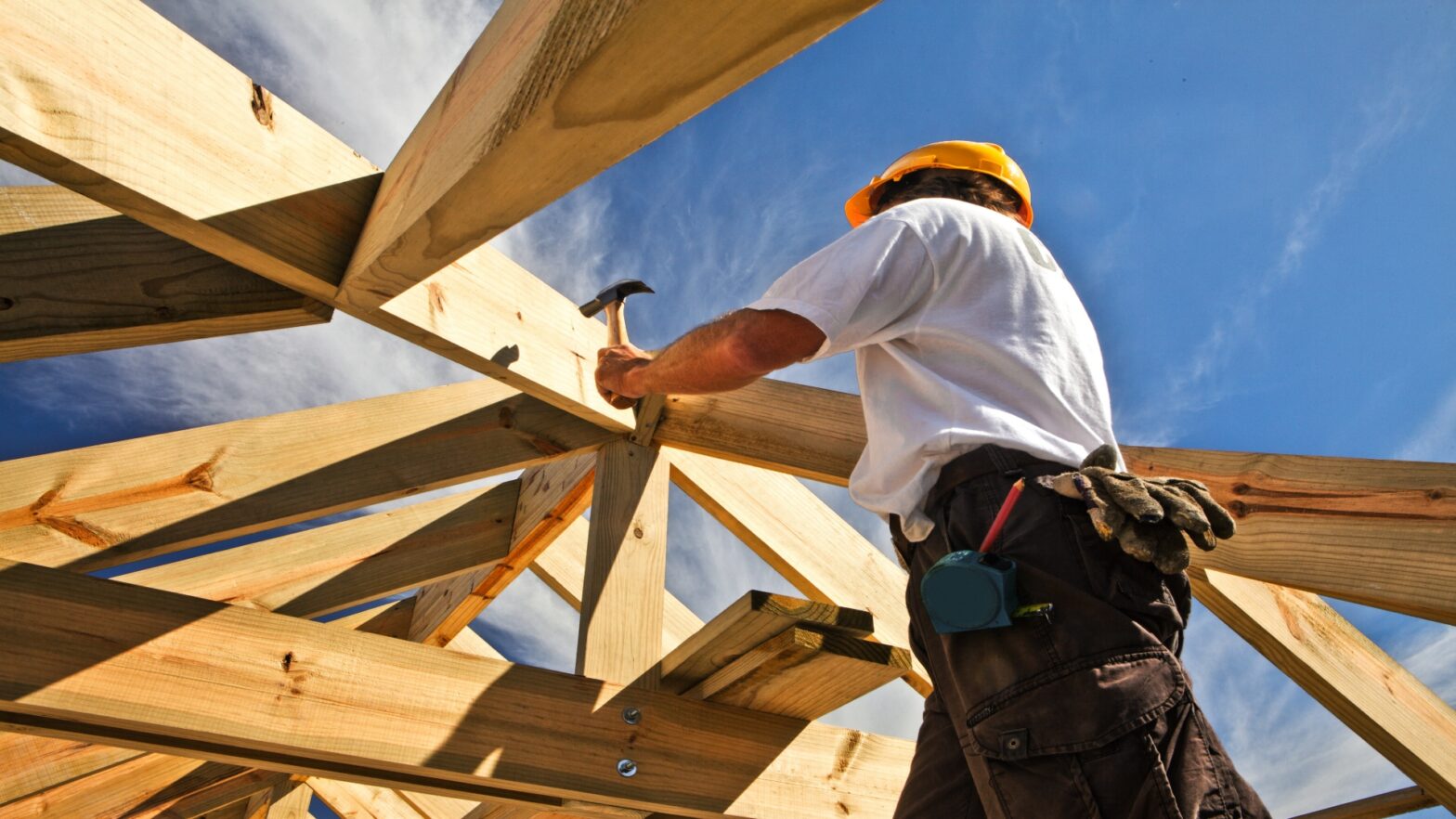











Every roof shields the home underneath, but most owners only catch problems once water stains show up on the ceiling. Minor flaws like loose flashing or weathered shingles can slowly grow into serious structural issues. Bringing in a licensed professional shifts that path completely. This article walks through how qualified contractors catch early warning signs, use proven repair techniques, and spare property owners thousands in preventable repair costs later on.
Why Licensing Matters for Long-Term Roof Health
Licensed contractors hold credentials that reach far past basic handyman abilities. They clear tough exams, carry insurance coverage, and work within building codes that unlicensed crews tend to ignore. That distinction counts because faulty installation cancels most manufacturer warranties, leaving owners with no recourse once shingles give out ahead of schedule.
Past the paperwork, licensing reflects accountability. State boards hold the power to revoke credentials over poor workmanship, which pushes these professionals to keep quality high. Their training also accounts for local weather realities, so they know which materials stand up to regional hail, ice dams, or strong winds. Homeowners looking for a trusted Loveland roofing contractor frequently find that professional inspections surface hidden flaws that stay invisible from ground level.
Early Detection Saves Thousands
Damage seldom gives warning. One missing granule here, a bent nail there, and before long rainwater slips beneath the underlayment. Per the National Roofing Contractors Association, roofs should receive inspections at least twice annually to catch these quiet issues before they grow worse.
Seasoned inspectors climb up, review attic ventilation, and record moisture readings. This direct assessment flags cracked flashing, broken-down sealant, and rusted fasteners well before damage spreads inside the home.
Spotting trouble early generally runs a few hundred dollars. Putting it off can send repair bills past $10,000 once moisture touches drywall, insulation, or framing.
Common Damage Points Professionals Watch
Flashing and Valleys
Metal flashing set around chimneys, skylights, and valleys channels more water than any other roof section. Experienced roofers check these spots first since failed flashing accounts for close to 80% of residential roof leaks, based on industry estimates.
Ventilation Systems
Weak attic airflow locks in heat and humidity, cutting years off shingle lifespan. Licensed contractors review intake and exhaust balance, then suggest ridge vents or soffit upgrades where the system falls short.
Gutter Integration
Blocked or drooping gutters force water back beneath the shingle edge. A complete inspection covers gutter slope, fascia condition, and drip edge positioning.
Preventative Maintenance Strategies That Work
Scheduled upkeep stretches roof life by 25 to 50 percent, based on research from the Asphalt Roofing Manufacturers Association. Skilled contractors shape maintenance plans around each roof’s age, material, and exposure level.
Regular service calls cover clearing valley debris, resealing exposed fasteners, tightening loose flashing, and swapping cracked boot collars on plumbing vents. These small corrections block the slow decline that pushes homes toward full replacements. A roof rated for 20 years often reaches 30 with steady attention.
How Professional Repairs Differ From DIY Fixes
Off-the-shelf sealants and patch kits give short-term relief, though they seldom resolve the root cause. A licensed roofer follows leaks back to their origin, which can sit several feet away from where water first shows up inside the house.
Experts also pair materials properly. Blending incompatible shingle brands or using the wrong nail length builds weak spots that fail during the next major storm. Their repairs match into existing roofing cleanly, keeping curb appeal intact along with warranty coverage.
Insurance and Documentation Benefits
Insurance carriers now ask for solid documentation before clearing storm damage claims. Licensed contractors supply detailed reports, photos, and moisture readings that back legitimate claims while pointing out pre-existing wear that insurance won’t pay for.
This paper trail also helps at sale time. Buyers and their inspectors value care records, and a documented roof history can raise a property’s sale price by several thousand dollars.
Choosing the Right Professional
Checking credentials takes only a few minutes but saves years of regret. Owners should confirm active licensing, general liability coverage, and workers’ compensation policies. Requesting local references and reviewing finished projects adds one more layer of confidence.
Manufacturer certifications carry weight too. Roofers certified by major shingle brands can offer extended warranty options that independent installers can’t match, sometimes doubling the standard coverage window.
Conclusion
Roof issues get expensive fast, yet they stay manageable once skilled professionals stay in the picture. Licensed contractors bring the training, equipment, and accountability that guard homes against early breakdown and steep water damage costs. Routine inspections, prompt repairs, and solid documentation build a plan that lengthens roof life while protecting property value. Putting money into qualified help today heads off the financial sting of emergency replacements tomorrow.