




















With heatwaves becoming more common across the UK, it’s often the upstairs of people’s homes that become almost unbearable. Bedrooms, loft conversions, and top-floor home offices can quickly become the hottest rooms in the house, making it difficult to sleep or work comfortably.
But according to roofing and insulation expert Mike Storey of UKFR Roofing & Insulation, there are a few simple changes people can make before and during the next spell of hot weather to stop excess heat building up in the first place.
1. Get your window timings right
Opening all the windows in your home as soon as the weather warms up may seem like the logical thing to do, but that can actually make your home hotter once the outside temperature starts to climb.
Instead, it’s actually better to open windows early in the morning while the air outside is still cooler than inside, and then once temperatures begin to rise, usually by late morning, you need to close your windows, curtains, and blinds to keep the hot air out.
Then, when the temperature drops again in the evening, open your windows once more to allow cooler air to flow through the house. If you can, open windows on opposite sides of your property to create cross-ventilation and improve airflow to help dissipate the built-up heat.
Mike said:
“A lot of people think the more windows they open, the cooler their house will stay, but that’s only true while it’s actually cooler outside. Once the temperature starts rising, you’re just letting all that hot air into the house. The biggest thing is getting the timing right. Open everything up early in the morning and again later in the evening, but during the hottest part of the day, you’re much better off keeping the heat outside where you can.”
2. Don’t overlook skylights
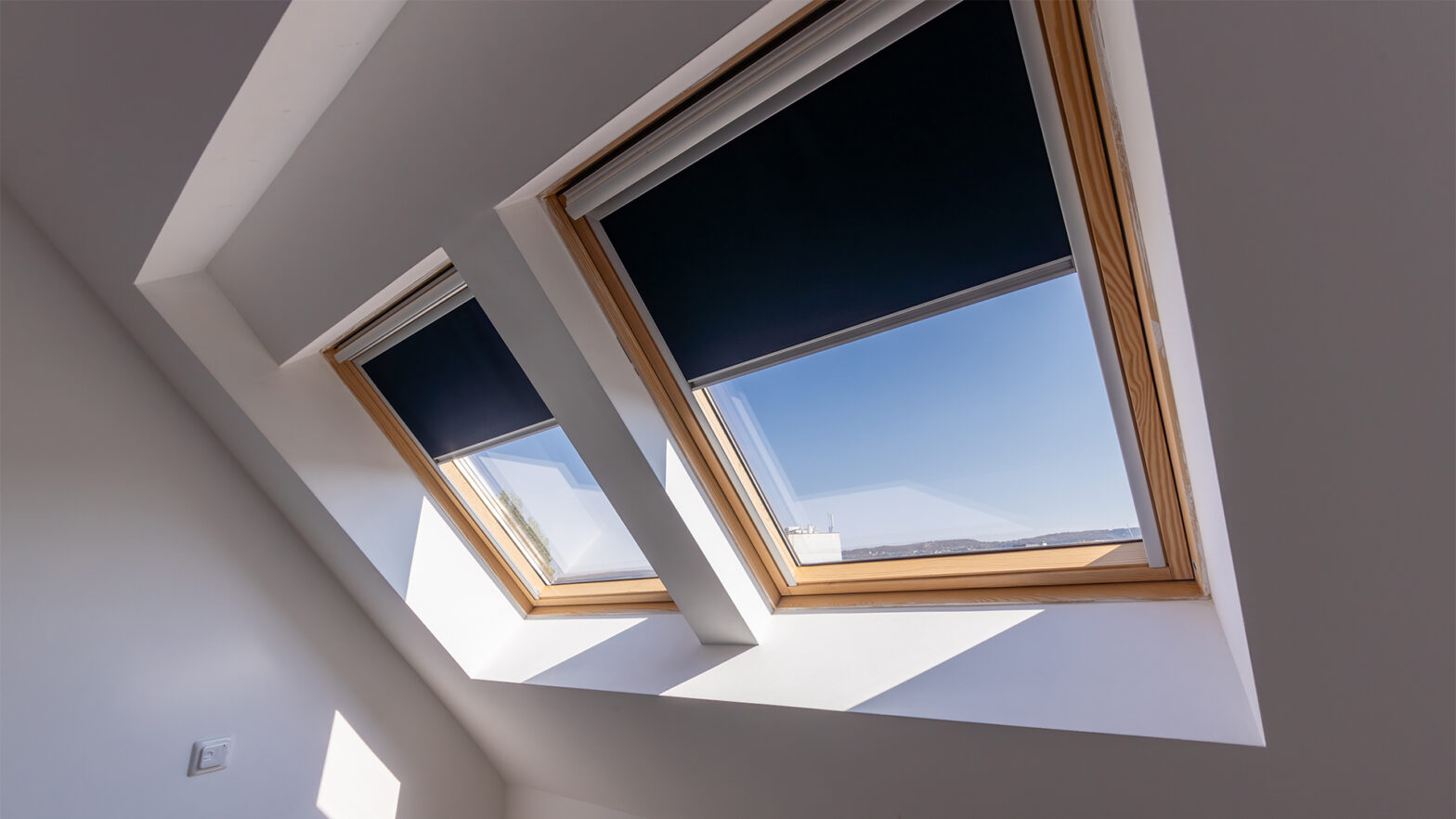
Roof windows and loft conversions are particularly vulnerable during hot weather because skylights spend much of the day in direct sunlight. Without any shading, they can quickly turn the room into a greenhouse.
Therefore, you must keep any integrated blinds or external shutters closed during peak sunshine hours. If your skylights don’t have fitted blinds, reflective blinds, or even stick-on blackout blinds can still make a significant difference. Once temperatures start to cool in the evening, open the rooflights to help release the heat that’s built up during the day.
Mike said:
“Skylights are great because they let loads of natural light in, but the downside is they also let a lot of heat in. If you’ve got a loft conversion and no blinds on the roof windows, it’s no surprise it gets really hot. Even a simple blackout blind or reflective blind can help stop a lot of that heat before it fills the room.”
For more information, visit UK Flat Roofing.