




















Anyone who has worked on a construction project knows that delays rarely come from just one big problem.
More often than not, it’s the smaller logistical issues that quietly build up in the background. Materials arrive too early. Deliveries get stuck in traffic. There’s nowhere to unload. Teams are waiting on equipment that should have been there yesterday.
According to industry research, 91% of construction professionals have worked on a project that experienced delays. Nearly half say delays added more than 20% to overall project costs. Logistics alone can account for up to 30-40% of total production costs across construction projects.
For many construction professionals, logistics is no longer something handled reactively. It’s becoming one of the most important parts of project planning.
Here are 10 logistics issues that regularly cause problems on construction sites, and what experienced teams do to stay ahead of them.
1. Poorly designed project timelines
One of the most common logistical issues on construction projects is timing.
Materials, suppliers, contractors and transport often work to different schedules. On paper, timelines may look like they work. On-site, that’s not always the reality.
A delivery arriving three days early can create just as many problems as one arriving late.
The strongest logistics plans usually involve regular reviews rather than relying purely on the original programme.
2. Site access restrictions
Access is one of those things that many teams might overlook until delivery day. However, urban construction projects, especially in big cities, can have teams battling with narrow roads, restricted access, roadworks and limited unloading space.
Bad planning access means the project is likely to be delayed before a delivery even reaches the site. It’s always worth thinking about these things in advance, especially if multiple different vehicle types are involved.
3. Supply chain issues
Construction has felt the impact of supply chain disruption more than most industries over the past few years. According to industry figures, 87% of construction businesses have experienced supply chain issues.
The problem is that construction relies heavily on sequencing; one delayed element doesn’t just affect one task. It has a domino effect.
The more visibility teams have over lead times and supplier schedules, the easier it becomes to adjust before delays start to overhaul the entire project.
4. Deliveries arriving at the wrong time
Industry stats reveal that less than 40% of construction deliveries arrive on time and with the right content. That creates a huge amount of friction on-site.
In fact, construction workers are estimated to spend more than 50% of their time waiting for or handling materials. That’s a huge operational cost.
The best logistics strategies often include realistic delivery buffers so that time and money isn’t wasted with teams sitting around.
5. Not planning for offsite storage
This is one of those logistics issues that rarely get enough planning time on construction projects.
Sites often assume materials can simply arrive when needed and remain on-site until installation. But construction rarely works that way – projects change pace, delays happen and suddenly, you have a site full of materials when work isn’t ready to do.
On smaller sites, particularly in city centres, there may simply be nowhere to keep excess stock. That’s where offsite storage becomes increasingly valuable. Temporary offsite storage gives projects breathing room.
Rather than forcing materials to sit exposed on-site or blocking access routes, materials can be stored securely and delivered in stages as the programme progresses.
6. Poor communication between teams
Construction logistics relies heavily on communication. The issue is that when multiple teams are involved, that communication has to be rock solid.
When communication breaks down, small problems become much bigger. A delivery team may arrive before unloading space is ready, a supplier may not know if restrictions have changed. None of these issues are unusual, but they can create unnecessary downtime.
Regular logistics meetings, shared schedules and live updates can help reduce a huge amount of confusion.
7. Limited onsite staging space
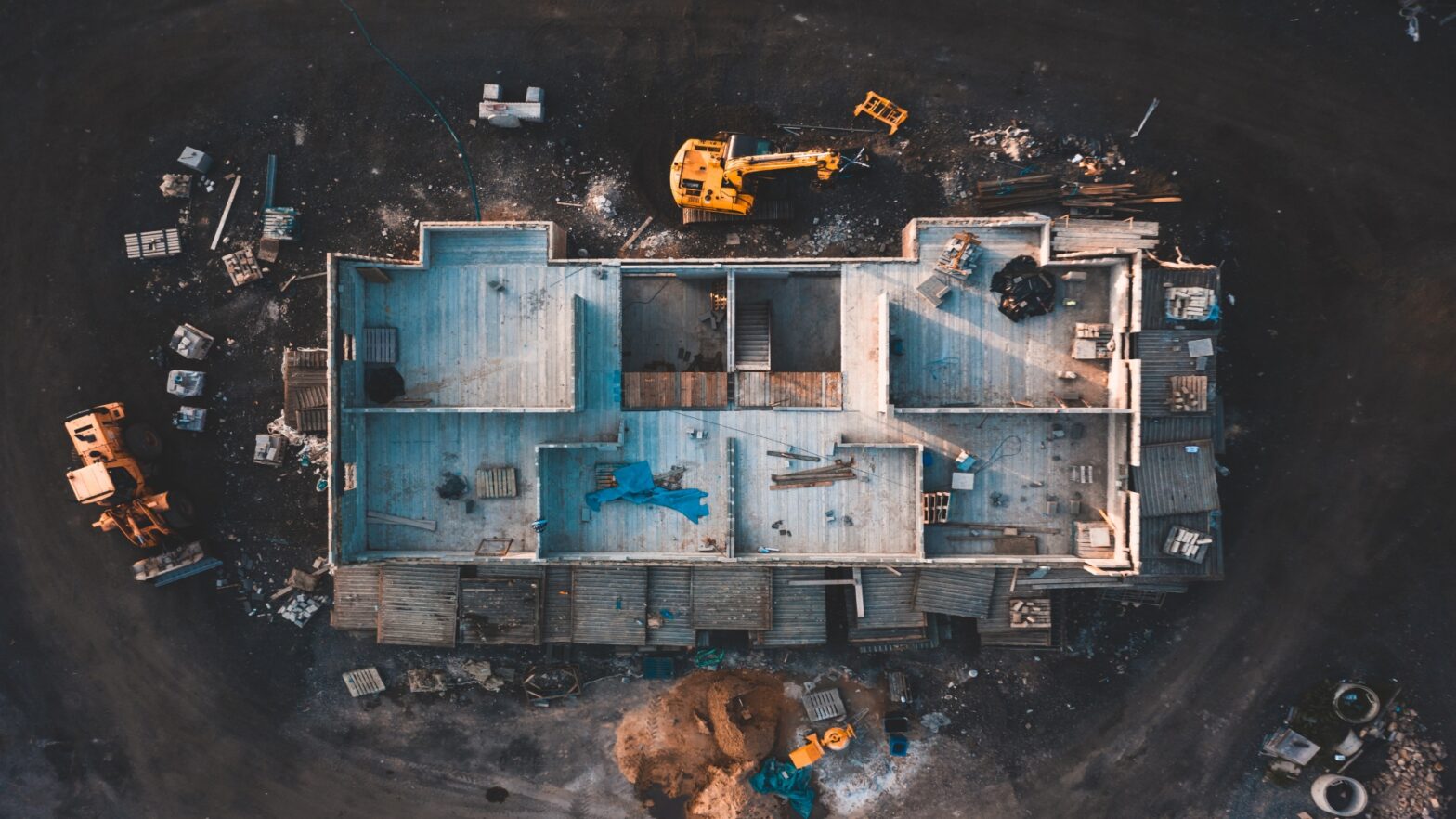
Not every site has the luxury of spare space. On many projects, especially in urban areas, staging space is extremely limited. That creates pressure around unloading and storage.
Without designated staging areas, materials end up scattered across site.
Some of the best-managed sites treat staging areas almost like temporary warehouses.
Everything has a location, sequencing is clear, and materials move through site rather than simply piling up.
8. Late design changes
Design changes happen on almost every project, but late changes can create a lot of disruption.
The earlier design decisions are finalised, the smoother logistics becomes.
9. Lack of visibility over deliveries
One of the biggest frustrations on-site is not knowing where deliveries are. When teams don’t have good delivery visibility, planning becomes guesswork.
Real-time tracking is becoming more important across construction, in fact, even simple delivery updates can help improve team coordination.
Ultimately, the more visibility teams have, the easier it becomes to adapt when timings shift.
10. No contingency planning
Any good plan has a contingency. The truth is that even the best logistics plans won’t stick to schedule all of the time.
Weather changes, road closures happen, suppliers fall behind. The issue isn’t whether problems occur, it’s whether projects are prepared when they do.
Many delays become expensive simply because there is no backup plan. Building flexibility into logistics plans makes projects far more resilient.
Why logistics matters more than ever in construction
Construction logistics is often treated as something that sits behind the scenes. But it’s quickly becoming one of the biggest drivers of project performance.
When materials arrive at the right time, in the right order, with the right storage and handling plan behind them, sites operate more efficiently.
When logistics isn’t considered early enough, delays and cost overruns become much harder to avoid.
As sites become tighter, timelines shorter and supply chains more pressured, logistics is no longer just an operational detail. It’s becoming one of the most important parts of keeping construction projects moving.