















Engineering and construction professionals have witnessed the evolution of metal building envelopes over the years, transforming them into one of the most advanced and reliable frames in the industry. They are a staple of high-performance structures worldwide, and they have earned this reputation due to the precision steel used in their construction.
Accelerated Construction and Early ROI Due to Off-Site Manufacturing
Overseeing frame creation in an off-site facility helps quality control. The frames are not exposed to the elements, and workers can transport them in pristine condition to the worksite. This modular method of construction increases the chances firms will get an early return on their investment because the creation of new parts can happen concurrently with active construction.
As teams break ground on an installation, the next project orders can begin to manifest in the factory. Additionally, the teams on-site can assemble structures more quickly because metal building envelopes are already partially completed, potentially to alleviate the housing crisis that is so prevalent in the U.K. This enables the building to be weathertight earlier and have fewer adverse environmental factors affecting the building phases.
Superior Strength-to-Weight Ratio Enabling Innovative Facade Design
Heavier materials are more cumbersome, difficult to transport and slow to assemble. The lightweight, malleable nature of precision steel enables construction workers and engineers to utilise it as if it were higher-weight and stronger options without compromising quality.
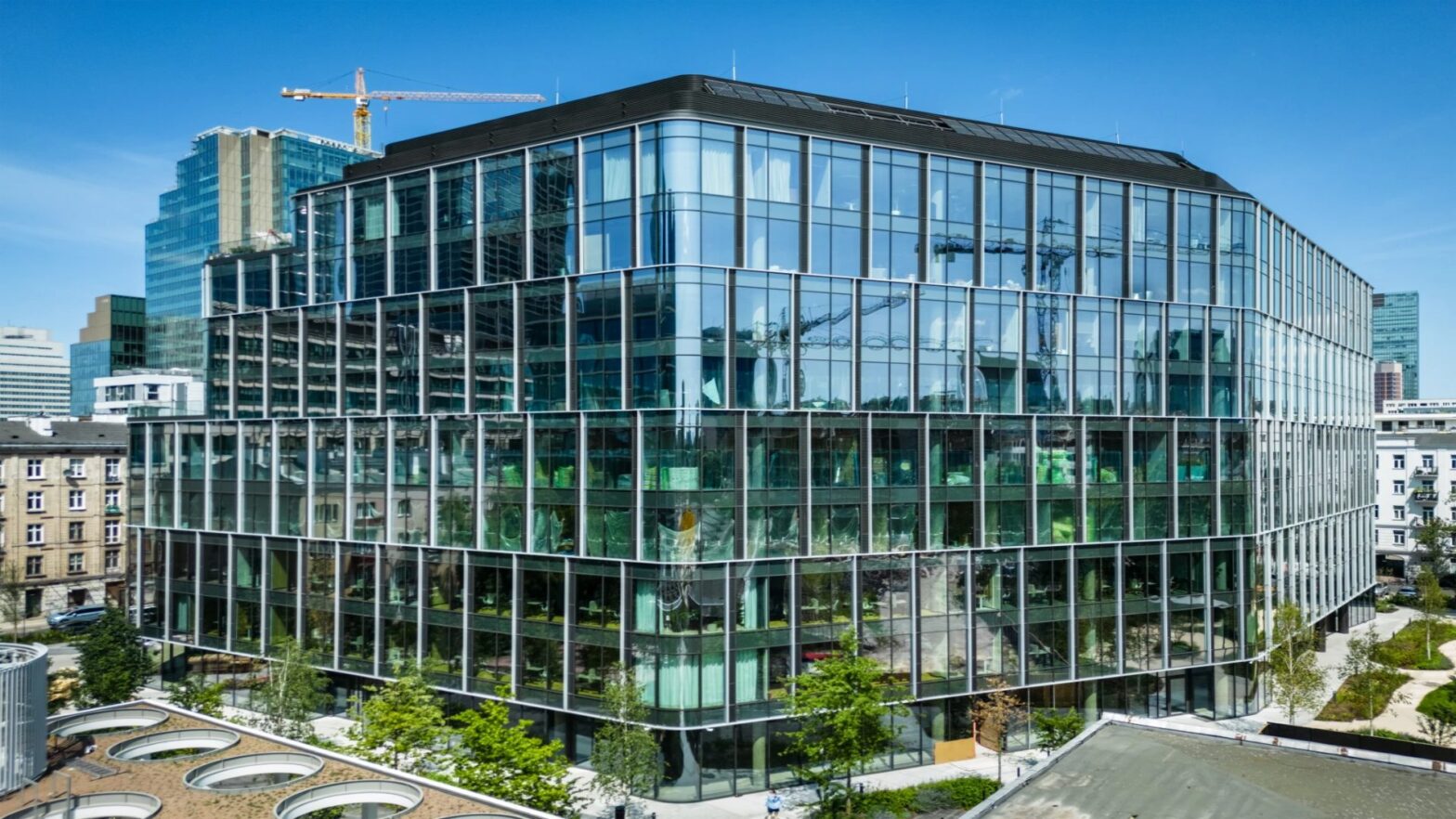
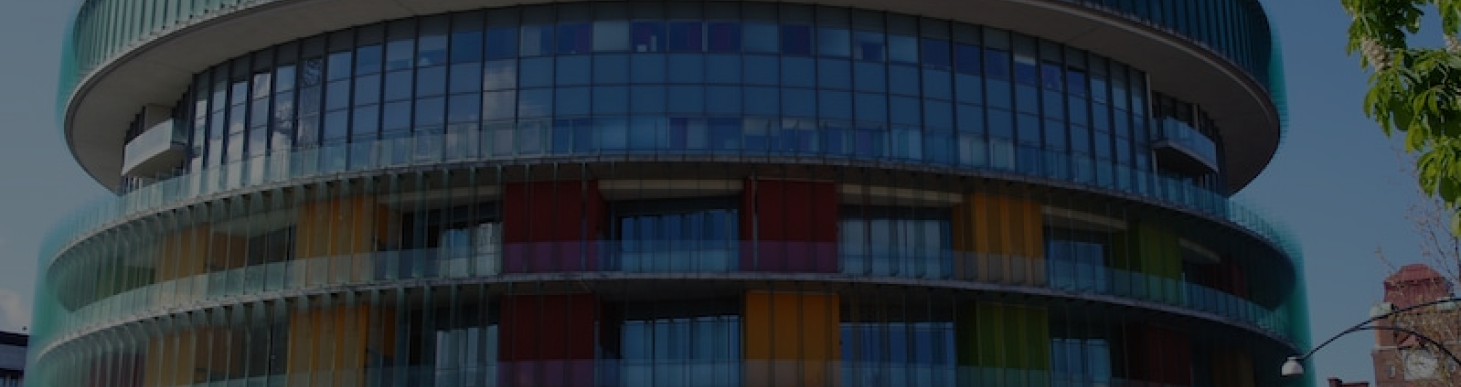
It also allows them to create more complex facade compositions that they would not have been able to create without using a material with this strength-to-weight ratio. The designs can be as intricate or straightforward as desired to create aesthetically pleasing facades that also serve a functional purpose.
Enhanced Airtightness and Thermal Performance Through Manufacturing Precision
Manufactured steel frames are highly replicable because of precision technologies. Engineers can program exacting tolerances to the greatest degree of accuracy the sector has seen. With light-gauge steel, producers can create a vast array of framing components in a fraction of the time required for on-site fabrication. With fewer gaps and defects between frames, the building has greater airtightness. This creates a more stable internal environment with less air pollution and better climate control.
Boosting these metrics also helps the building reach compliance. When a 50-by-100-foot metal building costs $170,000-$230,000, teams cannot afford to waste resources or time on fines from regulatory agencies. Teams are less concerned with code and permitting issues if the building is structurally sound and has minimal entry points that compromise air quality and thermal performance.
Enhanced Whole-Life Performance and Durability in the U.K. Climate
Steel framing can be coated to increase its lifespan and resistance to adverse influences, such as weather or corrosion. This prolongs the building’s life cycle, especially in the cold and wet U.K. climate. Other materials, such as timber, while sustainable, present issues in these conditions, including rotting and warping.
Its susceptibility to decomposition would also invite other issues, such as insects, that would further jeopardise the façade’s integrity. Preserving its structural strength is crucial, but it also keeps the building looking freshly built, increasing the chances it maintains its property value.
Predictable Costs and Reduced Remedial Work
The mass production of steel frames at manufacturers keeps costs more consistent. There are fewer defects due to the programmability of the output, which allows for the incorporation of precise measurements into processes ranging from cold rolling to annealing.
There are fewer corrective actions taken by contractors on-site to fix problems with framing if the quality control and safety checks occur before they reach the build site. The reduction in remedial work keeps projects flowing without delays, enabling firms to take on more projects and please clients more consistently. The teams are able to get it right the first time, while cutting costs with fewer errors.
Reduced On-Site Waste and a More Sustainable Construction Process
Putting buildings together on-site can lead to unintentional waste. Trial and error and excess are only a few causes, but producing modular parts in an off-site facility with quality control reduces — and, sometimes, allows for the repurposing — of what would have gone to landfill. This cuts carbon emissions and minimises environmental disturbances, such as bulldozing or clear-cutting activity that would displace local species.
When construction and demolition waste is one of the most significant concerns, choosing a lightweight, low-waste option can significantly reduce the impact of the worldwide sector — all from selecting steel framing. This supports the U.K.’s initiatives toward a more circular economy.
Why High-Performance Begins With Metal Building Envelopes
With its accuracy, durability and reliability, steel framing is the default for modern facades. Experts have discovered its ability to make the sector more sustainable and productive, while enhancing the appearance and feel of buildings for the future. They are long-lasting and have set a precedent for how materials in the industry should operate, establishing a trustworthy foundation for all structures worldwide.