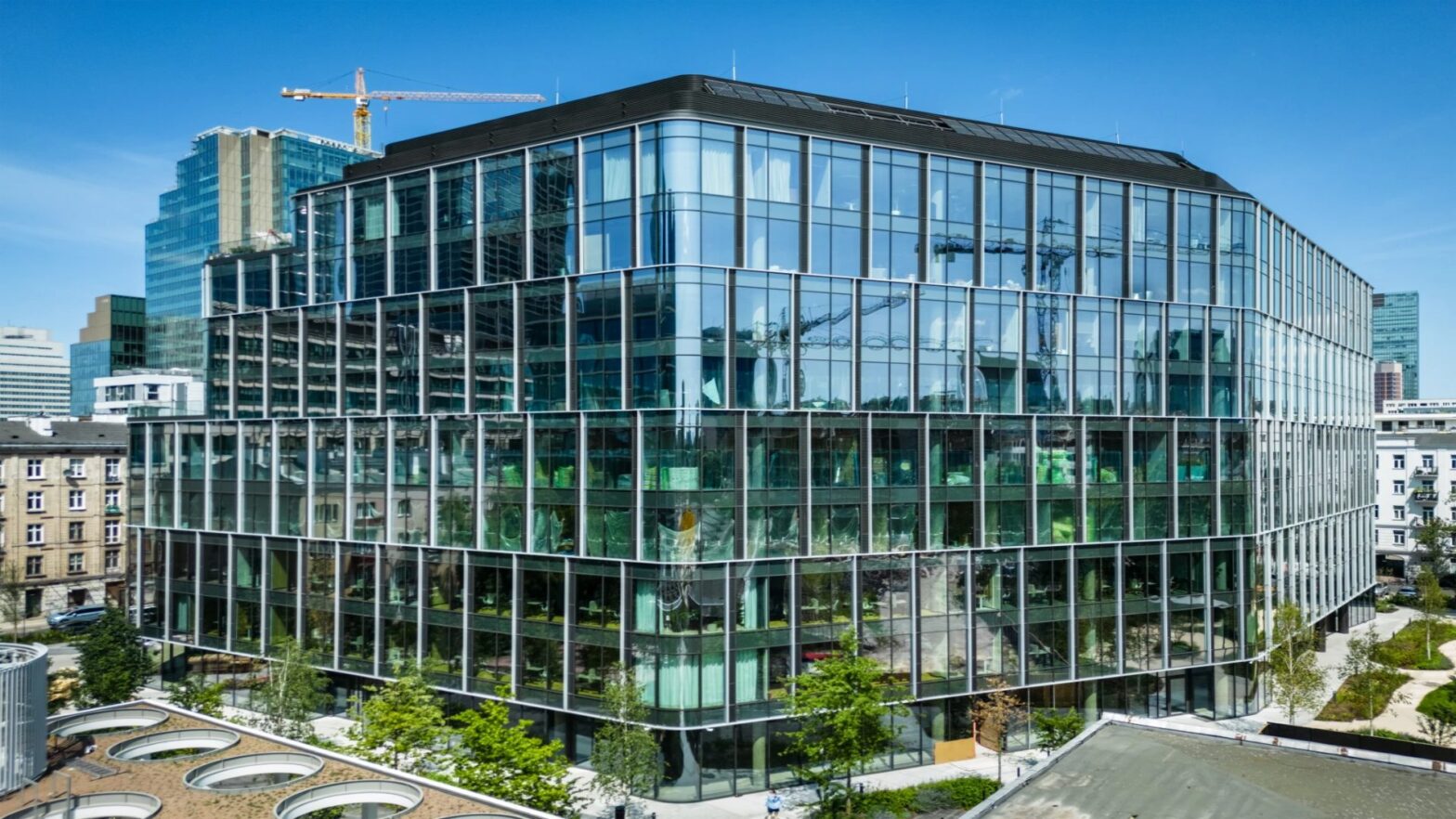




















Commercial building owners pursuing net-zero commitments often focus on renewable energy systems and HVAC upgrades while overlooking one of the most cost-effective carbon reduction tools available: high-performance insulation. Strategic thermal and acoustic insulation investments deliver immediate energy savings, reduce operational emissions, and position businesses to meet evolving U.S. regulatory requirements without the disruption or expense of complete system overhauls.
- Why Insulation Matters in a Net-Zero World
The commercial real estate sector faces mounting pressure to reduce carbon footprints as investors, tenants, and regulators demand measurable sustainability progress. Building envelopes account for substantial energy waste when inadequate insulation forces HVAC systems to compensate for thermal inefficiency. According to the 2024 International Energy Conservation Code, commercial buildings adopting updated insulation standards can achieve approximately 10 percent improvements in energy efficiency compared to previous code cycles. This foundation allows for net-zero strategies by reducing baseline energy consumption before renewable generation even enters the equation. Better envelope performance means smaller, more affordable solar arrays and heat pump systems can meet remaining energy needs, making net-zero targets financially viable for properties that previously couldn’t justify the investment.
- Energy Savings and Emissions Reduction Through Thermal Performance
Thermal insulation directly addresses both regulated and unregulated energy emissions by minimizing heat transfer through walls, roofs, and foundations. Commercial facilities implementing high-performance insulation retrofits typically reduce heating and cooling loads by 30 to 50 percent, translating to substantial utility cost reductions and lower Scope 2 emissions from purchased electricity. These savings compound annually, with many insulation upgrades achieving payback periods under five years while delivering benefits throughout the building’s remaining lifespan. Property managers pursuing Environmental Product Declarations for insulation materials can further improve sustainability credentials, as third-party verification shows commitment to supply chain transparency and lifecycle carbon accounting that satisfies investor ESG requirements.
- Acoustic Insulation: The Surprising Sustainability Factor
Acoustic performance is an underappreciated dimension of sustainable building operations. Sound control insulation contributes to occupant well-being and productivity, supporting the social governance pillar of ESG frameworks that influence corporate real estate decisions. Healthcare facilities require acoustic barriers that protect patient privacy and support healing environments, while educational institutions need sound management that enables concentration and effective learning. Open-plan offices benefit from acoustic treatments that reduce ambient noise levels, decreasing stress and improving focus. These well-being improvements translate to reduced absenteeism, higher retention rates, and improved organizational performance, making acoustic insulation a strategic investment instead of a construction afterthought.
- U.S. Regulations and Corporate ESG Demands Driving Change
Regulatory frameworks are tightening nationwide as municipalities adopt aggressive carbon reduction mandates. New sustainability regulations for 2025 increasingly require commercial buildings to show energy efficiency improvements, with insulation upgrades representing one of the most straightforward compliance pathways. LEED certification processes award points for insulation specifications that include recycled content and Environmental Product Declarations, while state-level energy codes establish minimum R-values that exceed federal standards. Companies pursuing WELL Building certification find that thermal comfort and acoustic performance directly support required health and wellness criteria. Proactive retrofitting positions properties ahead of regulatory curves, avoiding rushed compliance work and potential penalties while capitalizing on available tax incentives and utility rebates that offset implementation costs.
- Why Partnering with a Trusted Insulation Supplier Matters
Supply chain reliability determines project success when sustainability timelines face regulatory deadlines or investor scrutiny. Knowledgeable distributors provide technical guidance on material selection, making sure that specifications meet both performance requirements and certification standards. Product quality verification becomes critical when EPDs and third-party testing documentation support LEED submissions and ESG reporting. Suppliers offering comprehensive support streamline procurement processes, reducing project delays and ensuring materials arrive when construction schedules demand. Long-term partnerships with experienced insulation providers deliver ongoing value through product updates, regulatory guidance, and access to emerging technologies that maintain competitive advantages in evolving sustainability markets.
Insulation upgrades represent one of the fastest, most economically sound approaches for U.S. businesses to advance sustainability commitments while controlling operational costs. Strategic partnerships with qualified thermal and acoustic insulation suppliers support long-term performance, regulatory compliance, and net-zero planning across diverse commercial applications.