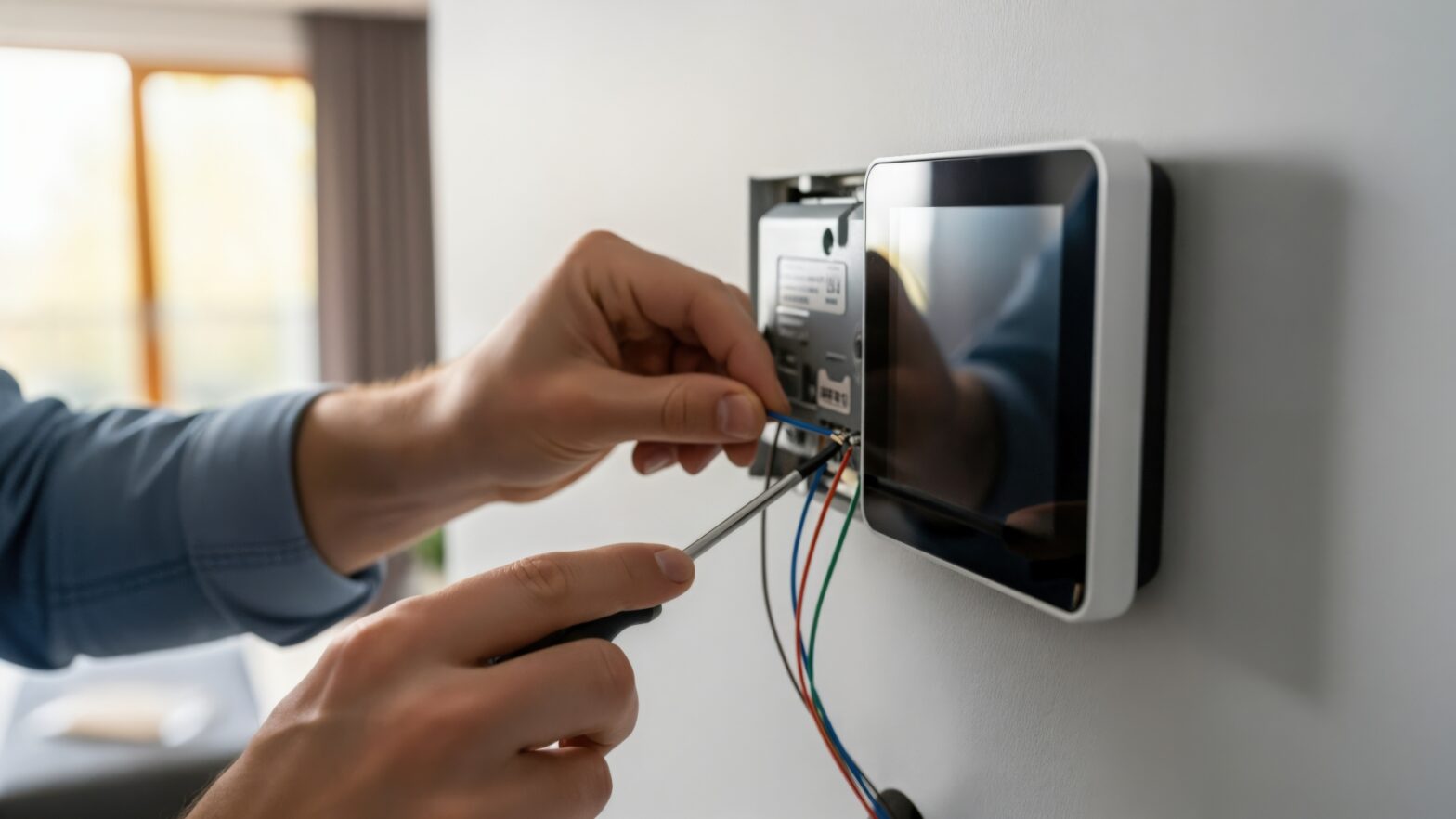























Renovation work comes with many moving parts, and electrical tasks sit among the most sensitive. People tend to focus on layout, fixtures, finishes, or structural changes, yet the electrical side shapes how a renovated space functions every day. A skilled electrical contractor brings technical knowledge, safety awareness, and practical decision-making that keep a project stable from start to finish. Renovation teams, homeowners, and property managers all benefit from having someone who understands complex electrical requirements and how they fit into a construction timeline.
The Growing Role of Electrical Work in Renovation Projects
Modern buildings rely on electrical components far more than many people assume. Lighting, outlets, breakers, appliances, and mechanical equipment all connect to electrical systems that must meet code and handle daily use. Renovation work often involves moving walls, opening ceilings, upgrading panels, or adding circuits, which means electrical adjustments become necessary even when the primary project seems unrelated.
Homes and commercial spaces frequently add new technology during renovations. Extra circuits for appliances, more efficient lighting, upgraded security systems, and dedicated wiring for home offices all require careful planning. A skilled electrical contractor reviews existing infrastructure and matches new demands with the right upgrades.
Why Project Safety Depends on Qualified Professionals
Renovation sites involve ladders, tools, temporary lighting, and exposed framing, which create an environment where electrical safety matters at every stage. Skilled electrical contractors recognize hazards, understand the correct procedures, and know which regulations apply in different scenarios.
Renovation work in older or heavily modified structures often reveals hidden junctions, unusual panel configurations, or circuits that no longer meet current code requirements. Skilled professionals handle these discoveries with care, since rushed fixes can increase the chance of injury or fire. Skilled tradespeople also help property owners protect themselves from liability. Licensed contractors carry public liability insurance that adds an extra layer of protection for everyone involved.
Renovation teams in Florida, for example, sometimes search for a Fort Myers electrical contractor when a project involves complicated layouts or additions. Local specialists often understand regional code updates, inspection processes, and the typical challenges found in properties built across different decades.
Technical Expertise That Influences Project Quality
Electrical contractors bring experience that extends far past basic wiring. Complex renovations often call for upgrades that involve high-voltage projects, control panels, temperature control equipment, or specialty circuits. Skilled contractors study project plans and recommend solutions that match both performance and code requirements.
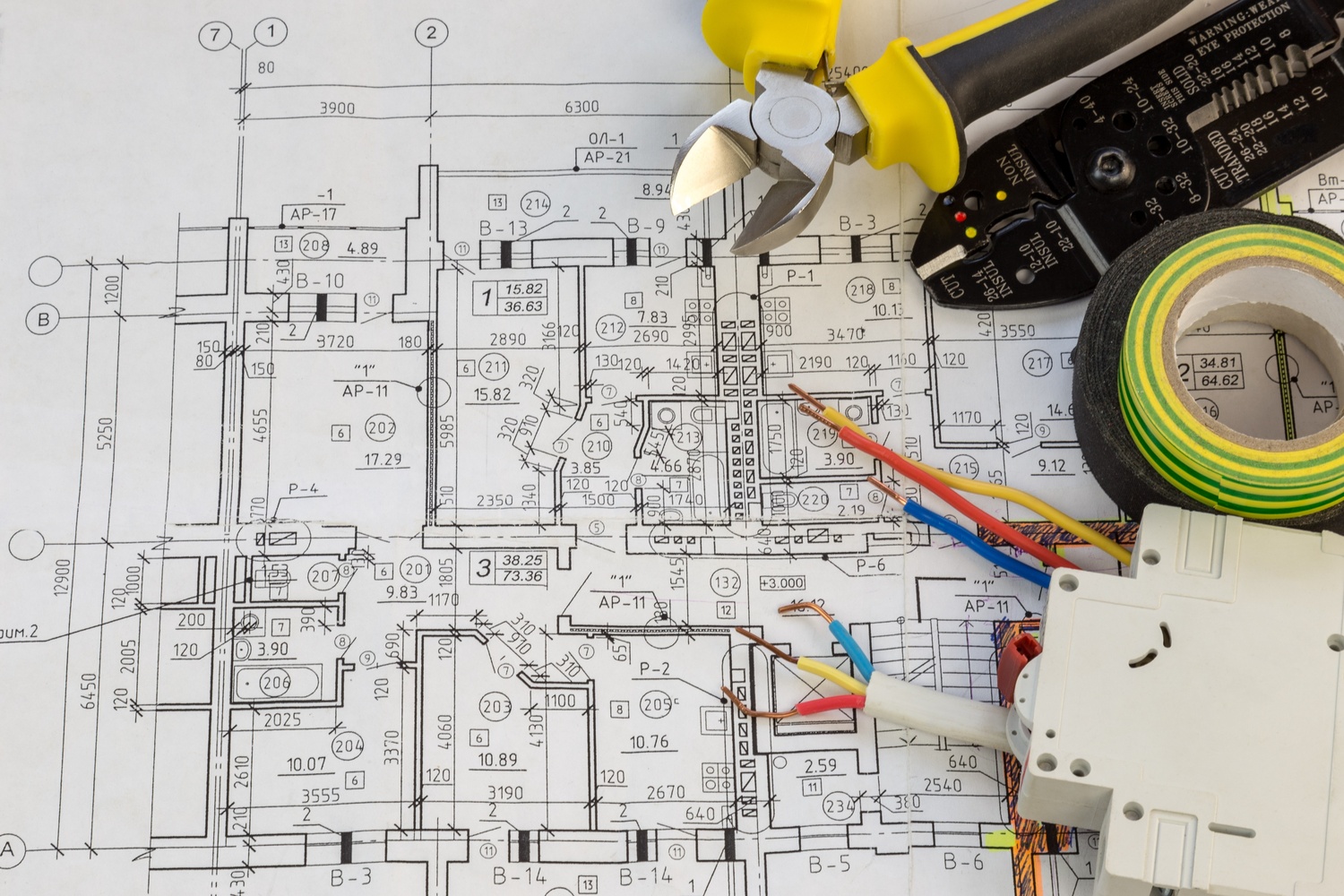
Some renovations involve kitchens, offices, workshops, or multipurpose rooms. Each of these spaces carries different electrical demands. Contractors calculate load requirements, identify necessary panel adjustments, and plan conduit or cable routes. Large properties or commercial spaces may require expanded capacity, emergency circuits, or specialty equipment. Knowledgeable electrical specialists interpret engineering documents and convert them into practical solutions that construction crews can follow confidently.
Lighting design also benefits from technical input. Placement, load distribution, and compatibility with switches or dimming systems influence long-term performance. Skilled contractors help teams choose wiring devices and components that work reliably without exceeding project budgets.
Code Compliance and Inspection Readiness
Construction standards vary across states, counties, and municipalities. Electrical contractors keep track of these requirements and apply them at every stage of a renovation. Proper installation and clear documentation help projects pass inspections without delays. Renovation teams save time and avoid costly corrections when they rely on someone familiar with local rules.
Compliance affects more than the final inspection. Decisions made early in the project influence routing, grounding, and load distribution. Skilled electrical contractors provide guidance that helps renovation teams avoid code violations before walls close or ceilings get finished. Careful planning also reduces the chance of rework, which keeps schedules predictable.
Multi-family homes, mixed-use buildings, or older commercial spaces often require special attention during inspections. These properties may have historical repairs, mismatched materials, or outdated components that no longer meet present-day codes.
Integrating Electrical Work Into Larger Renovation Plans
Renovation projects rarely move in a straight line. Several tasks happen at once, and timing matters. Electrical contractors coordinate with carpenters, plumbers, HVAC technicians, and project managers to keep work flowing in the correct order. Smooth coordination prevents delays that could occur when framing blocks, conduit paths, or when finishes get installed before wiring is complete.
Planning sessions often reveal the best sequence for electrical work. Contractors identify which areas require early access, which circuits can remain active, and how temporary lighting or power sources should be arranged. Renovation teams gain a clearer picture of timelines when an electrical contractor participates from the beginning.
Projects involving residential construction usually need careful scheduling since people may still be living in the home during parts of the renovation. Clear communication helps residents know when power will be off or when certain rooms will be inaccessible.
Long-Term Performance and Reduced Maintenance Issues
Renovations aim to improve spaces, but long-term performance depends on the quality of electrical installation. Skilled contractors create systems that handle modern demands without frequent malfunctions. Proper routing, tight connections, and accurate load calculations support reliability long after the project ends.
Renovated commercial spaces often face heavy daily use, especially in offices, retail spaces, or workshops. Durable materials and precise installation help reduce outages, equipment failures, or circuit overloads. Homeowners also benefit from a reliable electrical design that supports daily living. A kitchen renovation, for example, may need multiple dedicated circuits to power appliances safely. A contractor who understands these requirements helps residents avoid tripped breakers or power fluctuations.
Some projects introduce modern technology or upgrades to existing setups. These updates may involve new wiring, additional outlets, system expansions, or specialized components. Skilled professionals offer recommendations that match emerging needs while keeping long-term serviceability in mind.
Conclusion
Renovation projects run more smoothly when a qualified electrical contractor participates from the early planning stages. Their training supports safe job sites, accurate installations, and code-compliant results. Electrical components influence nearly every part of a structure, from lighting to appliances to mechanical equipment. Skilled contractors help renovation teams, homeowners, and property managers make informed decisions that improve reliability and safety.