



















If you love working on garden DIYs — building outbuildings, sheds, or garden furniture — choosing the right fencing material can make a big difference. Composite fence panels are becoming more popular, and for good reason. Here’s why you might want to consider them for your next project, and you can find more options and pricing at sites such as www.ecompositeproducts.co.uk
What Are Composite Fence Panels?
Composite fence panels are made from a blend of wood fibers and recycled plastic. They combine the natural look of wood with the benefits of modern materials. Unlike traditional wood panels, they resist common problems like rot, warping, and insect damage. They also tend to last much longer, often with lower maintenance required.
Key Benefits
Durability & Longevity
- Composite panels often outlast natural wood in outdoor applications. Because they resist moisture, insect attack, and decay, you’ll spend less time repairing or replacing fence sections.
Low Maintenance
- There’s no need for frequent painting, staining or treating. Cleaning composite usually just means a wash with water (or mild soap) once or twice a year — far less effort than maintaining wood.
Aesthetic Versatility
- Composite fence panels come in a range of finishes and colours — from wood‑grain styles to more modern tones. They let you match or complement the design of your shed, pergola, or garden furniture.
Eco‑Friendly Options
- As many composites include recycled plastic and wood by‑products, they make better use of resources. Also, since they last longer, there’s less waste from replacing panels as often.
Cost‑Effectiveness Over Time
- Although the upfront cost can be higher than basic wood fencing, over a decade (or more) the reduced maintenance, lower replacement needs, and fewer repairs usually make composite panels more economical.
Using Composite Panels in Your Garden Projects
If you’re planning to build or enhance garden structures, here are some ideas for where composite fence panels can shine:
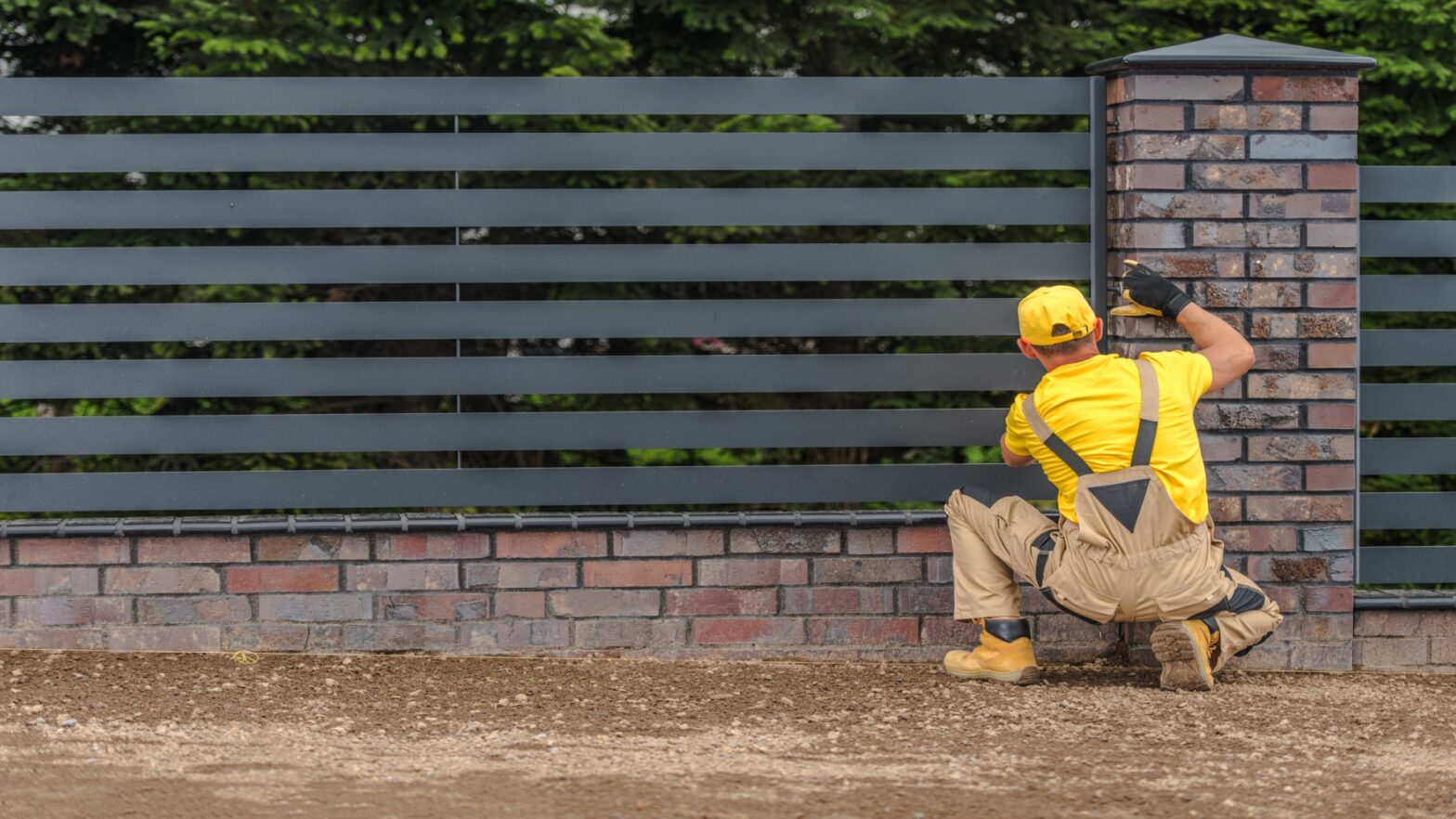
- Outbuildings & Sheds: Use them for boundary fencing around sheds or even as accent walls on an outbuilding to provide both security and style.
- Decking Borders & Screens: They work well as screening for privacy or as decorative panels between garden zones.
- Furniture Frames or Cladding: Because they don’t degrade like untreated wood, they are excellent for framing benches, outdoor seating, or cladding small garden structures.
What to Look for When Buying
To get the best value and performance, watch for:
- Quality of composition (ratio of wood fiber to plastic, UV stabilisers, etc.)
- Warranty or manufacturer’s guarantee (some give 10‑25 years)
- Finish options (colour, texture)
- Solid vs semi‑solid boards (solid ones resist moisture better)
- Ease of installation (fitting, bracket design, etc.)
Final Thoughts
For DIY gardeners, composite fence panels offer a blend of beauty, durability, and minimal upkeep. Whether you’re crafting furniture, building a pergola or simply framing in your garden with fence panels, they make a smart, long‑term investment. You’ll spend less time on maintenance and more time enjoying the space you’ve created.