



















Adding a sunroom is one of the most appealing ways to expand a living space and connect indoor comfort with the outdoors. Beyond aesthetics, well-designed sunrooms can add value and serve as a strong draw for both residential and commercial properties. However, developing one requires more than adding walls of glass. Every successful project hinges on thorough planning, structural capability, and informed decisions regarding materials and costs.
A sunroom project planning framework outlines the core considerations architects, builders and homeowners should address to ensure a seamless project, from feasibility to final inspection.
Phase 1: Predesign Assessment and Feasibility Analysis
Effective sunroom design planning starts with a site evaluation. The goal is to understand environmental variables, structural capacity and potential constraints before any work begins.
A comprehensive site evaluation includes:
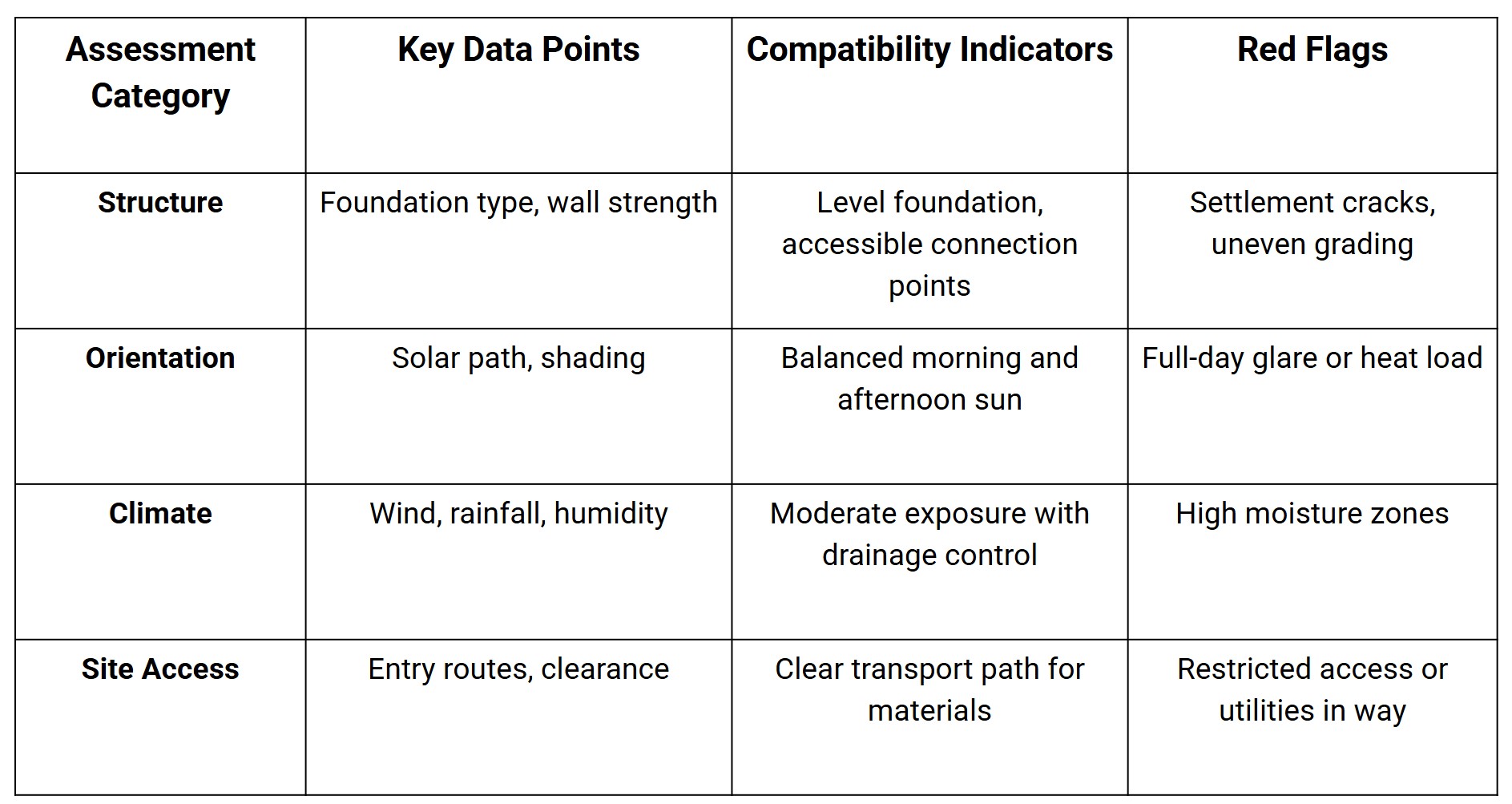
- Structural compatibility: Assess load-bearing walls, rooflines and foundation stability for additional weight.
- Solar orientation and light analysis: Measure daily sun paths to balance natural light and thermal control, ensuring optimal energy efficiency.
- Microclimate and exposure: Consider wind, rain and shading patterns that affect insulation needs.
- Landscape integration: Evaluate how slopes, drainage and vegetation interact with the planned footprint.
Before schematic creation, professionals must also check local building codes, HOA rules and energy requirements for glazed structures. Permit timelines can extend project schedules by several weeks, so early planning helps prevent delays.
Setting realistic client expectations regarding cost, materials and seasonal limits lays the groundwork for smooth execution. A site assessment should address these sunroom addition considerations:
Phase 2: Design Requirements and Specification Development
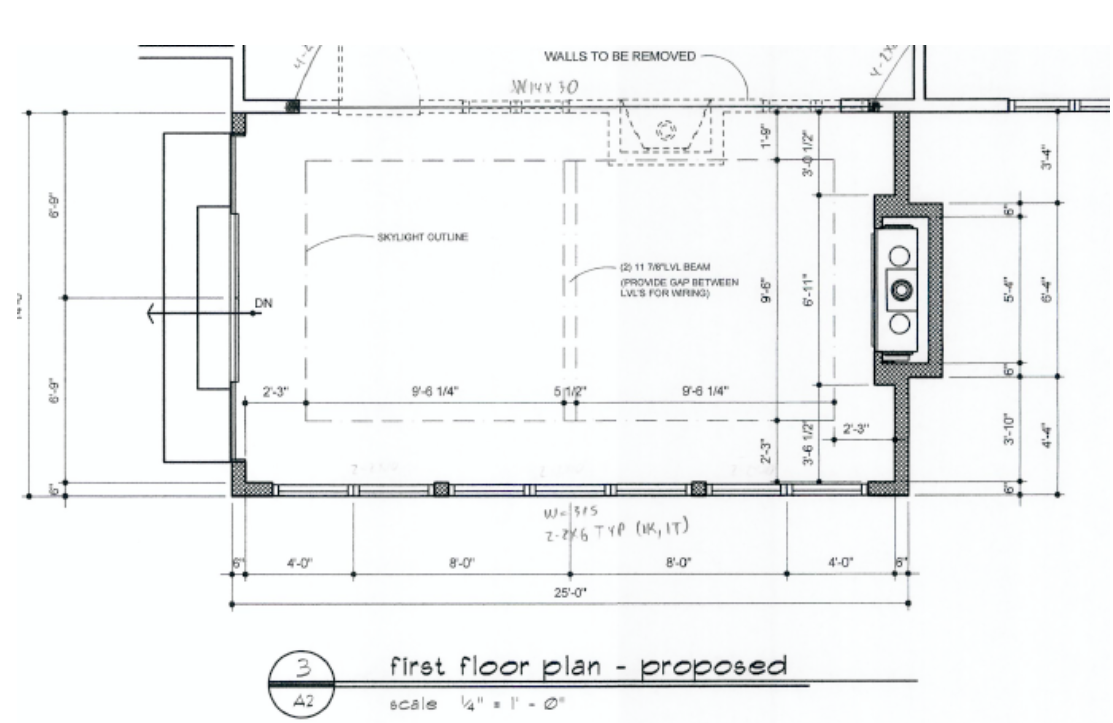
Image: Colorado Sunroom and Window
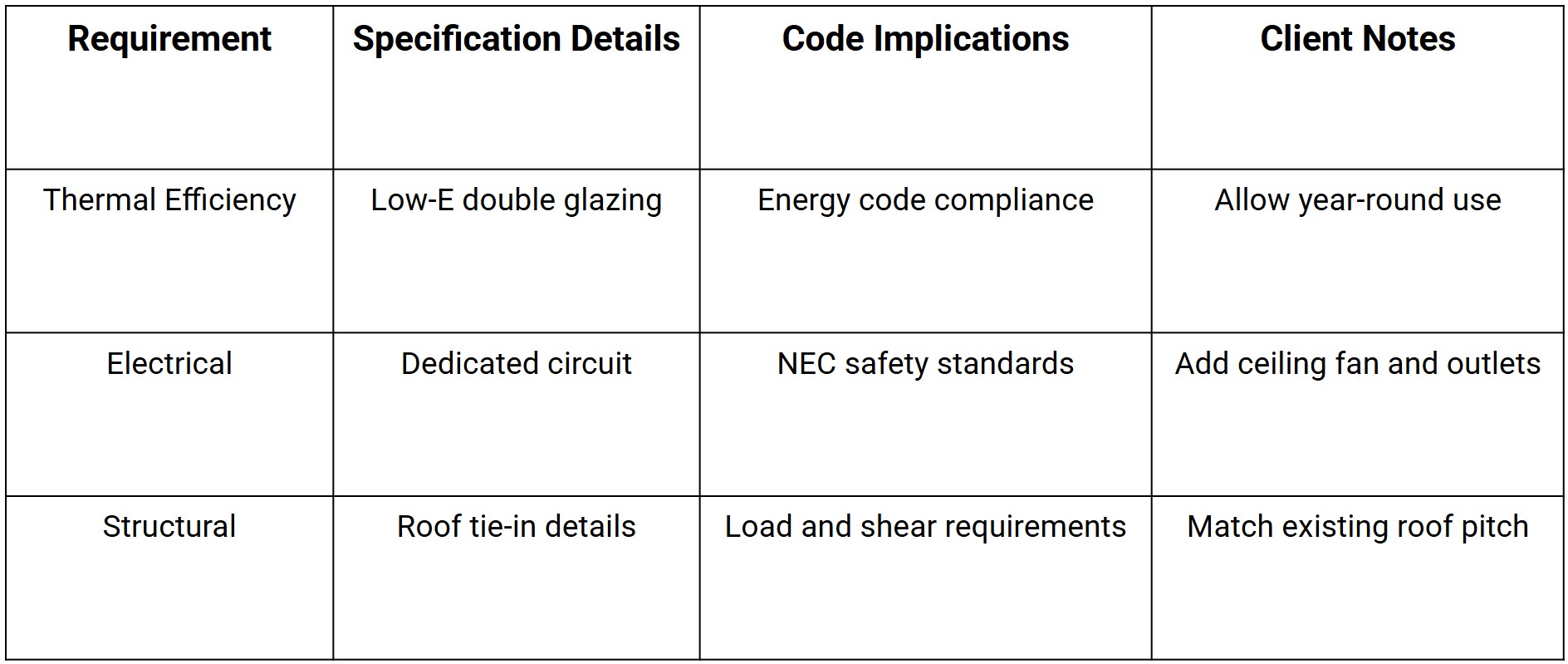
Once feasibility is established, the next step is translating client goals into technical specifications. These decisions define performance, comfort and long-term usability. Key parameters include the intended use, traffic flow, thermal performance, ventilation, humidity, and electrical or plumbing integration.
A sunroom should feel like a natural extension of the home, serving as a seasonal retreat or a year-round living space. Proper insulation and HVAC systems can support year-round traffic flow. Insulation values should match existing envelope specifications or regional climate zones, and installing windows, ceiling fans, and vents can help regulate airflow and prevent condensation. Likewise, planning for lighting, outlets, and water lines for wet bars or radiant flooring is vital.
Choosing the right type matters. Three-season rooms are cost-effective for mild climates. Four-season rooms use insulated glass, HVAC systems and advanced framing for year-round comfort and suit colder climate zones.
Solariums or conservatories often feature full glass walls and ceilings, but they require superior glazing methods, which can be more expensive. The roof style, such as gable, single-slope or curved, should harmonize with the home’s architecture while maximizing light distribution.
Consider collaborative design validation sessions, using 3D renderings or VR models to help align client expectations and avoid costly mid-project revisions. In practice, this may resemble the following matrix:
Phase 3: Material Selection and Performance Specifications
Material performance drives aesthetic quality and long-term maintenance. Selecting the right setup ensures that the sunroom can withstand local weather conditions without compromising comfort or durability.
Consider these materials for performance and durability.
Material Choices
Aluminum offers excellent durability with low maintenance in all climates. Its midrange cost and recyclable nature make it a sustainable option.
Wood delivers warmth but requires additional upkeep and is best for dry regions where fiber expansion is minimal. It’s relatively durable when properly maintained, and the cost can range from medium to high, depending on the type of wood and finish. As a renewable material, it’s fairly sustainable and suited to green construction.
Vinyl provides strong thermal performance in temperate climates, where its durable nature requires minimal maintenance. When sourcing low-VOC plastics, it’s an eco-friendly option, and it’s highly affordable.
Fiberglass combines rigidity and insulation in colder climates with excellent durability. It’s a more costly option but is fairly energy-efficient.
Future-Proofing Through Materials
Selecting materials that have longevity and low environmental costs is how designers future-proof their projects. Choices that accommodate energy upgrades or smart shading technologies balance aesthetics, performance and budget when forming the backbone of a resilient project.
Phase 4: Budget Development and Value Engineering
Transparent cost planning helps protect both the builder and the client from unexpected expenses. Sunroom additions typically range between $75 to $450 per square foot, depending on the type, HVAC and finishes.
A budget breakdown may look like this:
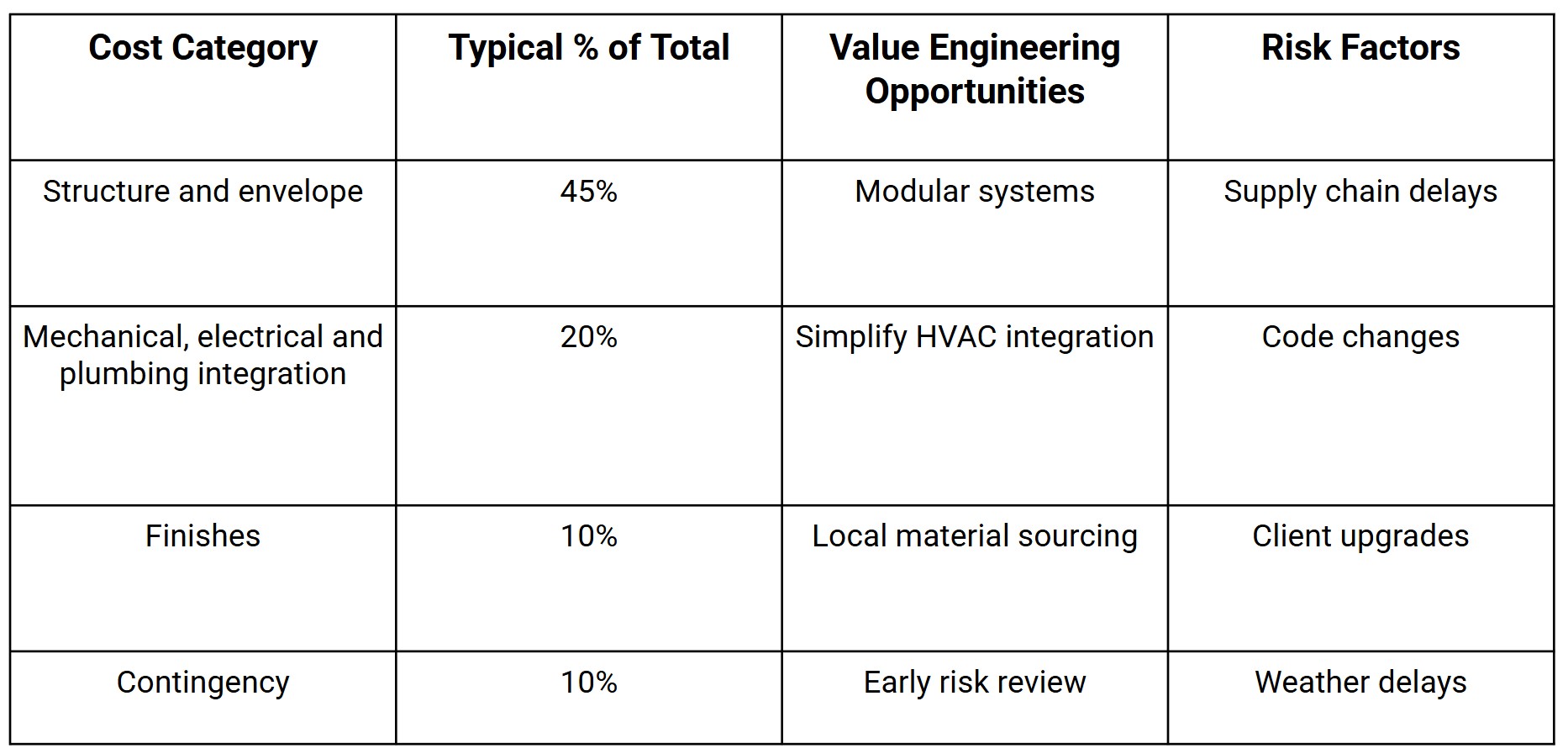
Life-cycle cost analysis helps evaluate total ownership cost beyond construction. Energy-efficient materials may require higher initial costs but reduce utility expenses in the long run.
Phase 5: Project Timeline and Implementation Planning
A well-defined timeline ensures clear expectations and minimizes project disruptions.
A typical project schedule includes the following:
- Design and permits: This process typically takes three to six weeks.
- Material procurement: It may take between two and four weeks to order and ship the required materials, unless they are sourced locally.
- Site prep and foundation: Plan on at least one to two weeks for basic grading, digging and foundation laying if there isn’t an existing foundation, such as a previous porch.
- Framing and glazing: Erecting structural components can take between two and five weeks, depending on the style, size and material choices.
- Finishing and systems integration: The final touches, such as surfacing, flooring, electrical and plumbing incorporation, and overall conclusion, may take two to three weeks, again depending on the project size.
Weather and material delays can shift this schedule, so allow contingency days for each phase. Using a Gantt chart or project management software helps track dependencies and critical paths.
Coordination among trades, particularly electricians, HVAC installers and glaziers, prevents bottlenecks. For colder climates, avoid major structural work during freeze–thaw cycles to maintain concrete integrity.
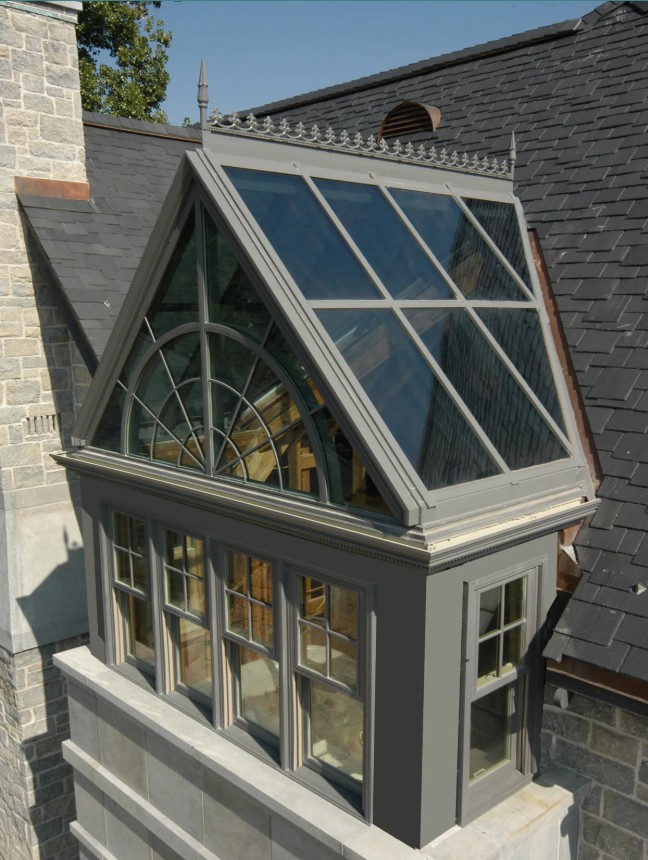
Image: Colorado Sunroom and Window
Top 5 Sunroom Companies for Professional Implementation
Working with the best professionals in sunroom installation and construction eliminates most major headaches for designers and property owners.
These companies are top-rated because they meet the following selection criteria:
- Industry reputation for quality work
- Variety of designs to meet diverse locations and site variations
- Accredited business certifications and awards
- Inclusive consultation process
- Wide material selection that includes energy-efficient options
1. Best Overall: Colorado Sunroom and Window
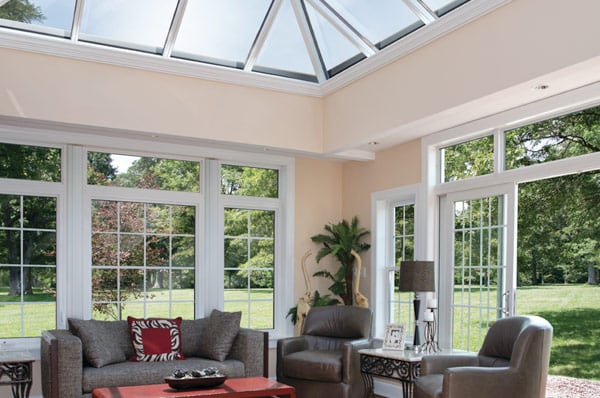
Image: Colorado Sunroom and Window
Colorado Sunroom and Window stands out for its integrated design-build model tailored specifically to Colorado’s mountain and high plains climate. The company manages every step, from site evaluation to engineering, permitting and construction, ensuring quality control and project consistency.
The insulated glass systems and thermally segmented frames are optimized for high-altitude performance, reducing heat loss and glare throughout the year. Clients appreciate the collaborative design process that’s part of Colorado Sunroom and Window projects since they incorporate local architecture and energy-efficiency goals. This regional expertise makes the company a trusted leader in both residential and commercial projects.
Key features of Colorado Sunroom and Window:
- Specializes in custom sunroom tailoring and installation suited to Colorado’s variable climate
- Integrated design-build services that handle engineering, permitting and installation
- Energy-efficient with insulated glass and thermally broken frames
- In-house project management for seamless coordination
- Regional climate expertise, turnkey services, post-installation support
2. Best for Custom Architectural Integration: Four Seasons Sunrooms
Four Seasons Sunrooms is recognized globally for high-end, architecturally distinctive builds. The company’s catalog includes conservatories, solariums and the innovative LifeRoom concept, which is an adaptable space that transitions from enclosed comfort to open-air living at the touch of a button.
The in-house engineering team provides structural customization for unusual rooflines, historic homes and complex building interfaces. This flexibility makes it ideal for projects that demand aesthetic refinement and technical precision. While the units command a higher price point, they deliver unmatched versatility and craftsmanship.
Key features of Four Seasons Sunrooms:
- Custom-engineered glass and framing
- LifeRoom retractable wall and climate control technology
- Architectural support for complex building integrations
- Nationwide dealer and service network
- Exceptional customization options, premium design and materials
3. Best for Sustainable Design: Sunspace Sunrooms
Sunspace Sunrooms produces environmentally conscious construction through its use of recyclable aluminum framing and energy-efficient glass technology. The company offers three- and four-season models that extend outdoor living while maintaining comfort and reducing energy use.
The modular approach enables flexible configurations and simplified installation without sacrificing quality. Sunspace Sunrooms has a strong presence across the U.S. and Canada, combining sustainability with accessibility for homeowners who want to invest in green building solutions. The company focuses on a dealer-based service model to ensure local knowledge in installation and support.
Key features of Sunspace Sunrooms:
- Recyclable aluminum framing
- Modular installations adaptable to regional climates
- Three- and four-season options
- Dealer-based installation network across North America
- Eco-friendly materials, customizable installation, broad service reach
4. Best for Budget-Conscious Projects: Patio Enclosures
Patio Enclosures, a division of Great Day Improvements, delivers value-oriented sunrooms that feature durability and affordability. The company creates and manufactures its own aluminum and vinyl framing, maintaining strict control over quality and pricing.
Offerings range from screened porches to fully insulated four-season rooms, providing flexibility across budgets and climates. Standardized components help streamline installation and reduce labor costs, making it a practical choice for homeowners seeking functional, well-built spaces without paying high-end prices. The brand’s long-standing reputation speaks of its reliability for large-scale residential projects.
Key features of Patio Enclosures:
- Factory-manufactured framing for consistent quality
- Options from screened enclosures to insulated sunrooms
- Nationwide installation and service network
- Competitive pricing and transparent cost structure
- Affordable solutions, efficient installation, trusted brand legacy
5. Best for Engineering and Durability: Champion Sunrooms
Champion Sunrooms, part of Champion Windows, focuses on strength, performance and warranty-backed reliability. Every structure is engineered and built in the U.S., with factory-direct manufacturing ensuring precision and consistency.
The all-season rooms feature insulated glass, reinforced framing and integrated HVAC compatibility for comfort in any climate. The company’s limited lifetime warranty on glass breakage and seal failure underscores its confidence in the long-term durability of its products. For homeowners who require a greater load-bearing structure, Champion’s designs offer structural integrity and peace of mind.
Key features of Champion Sunrooms:
- Factory-direct planning and construction
- Four-season rooms engineered for thermal performance
- Reinforced framing and high-efficiency glazing
- Lifetime glass and seal warranty
- Strong engineering standards, robust warranty coverage, reliable performance
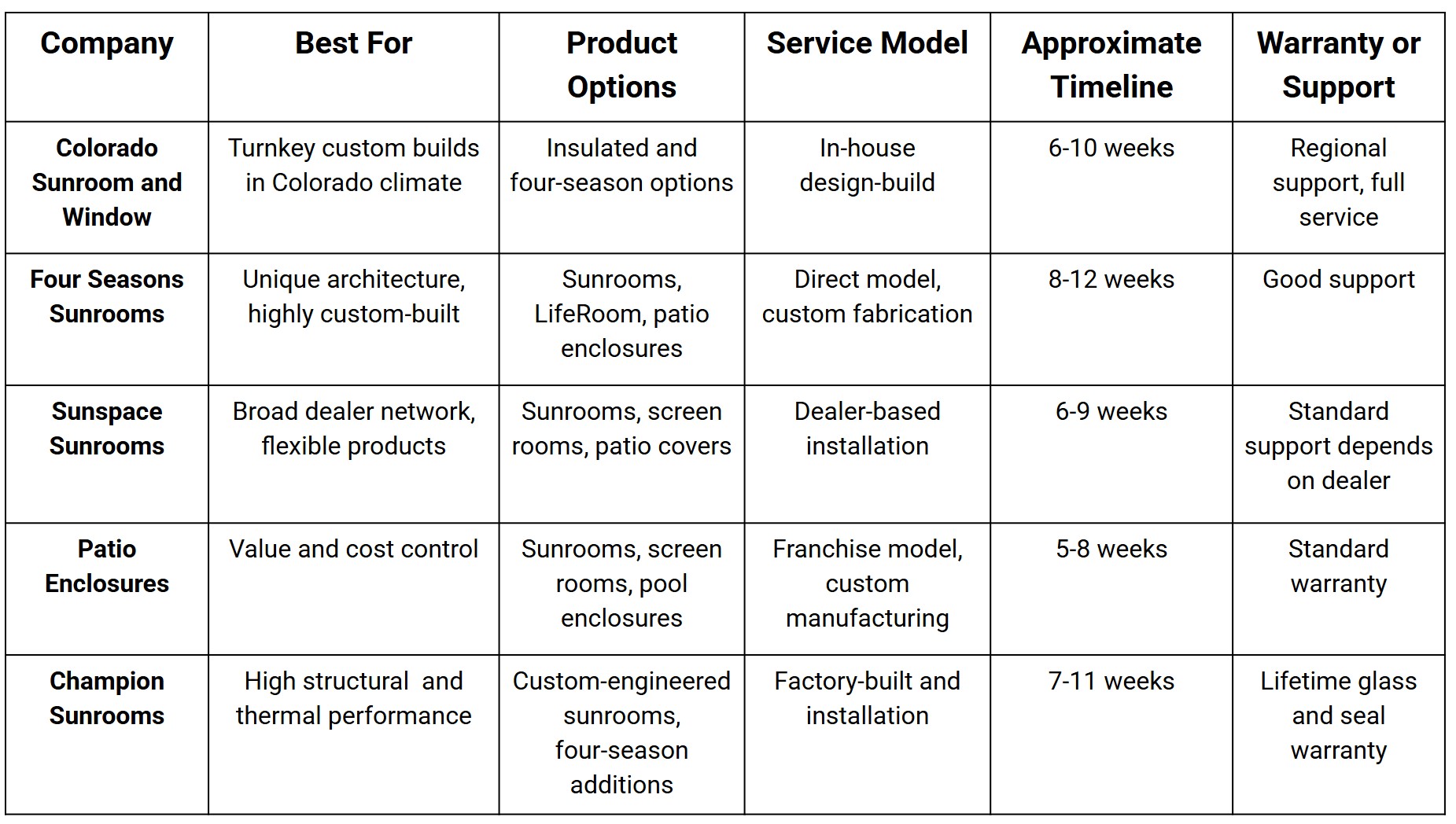
Comparison Table of the Top Sunroom Providers
Here’s how the five firms stack up across key dimensions:
FAQ
How Much Does a Professionally Designed Sunroom Cost?
Most range from $25,000 to $80,000, depending on size, glazing type and HVAC integration. Always request a detailed quote from a licensed contractor.
What Is the Best Type of Sunroom for Year-Round Use?
Four-season sunrooms with insulated glass, thermal breaks and HVAC connections perform best in extreme climates.
How Do I Choose Between a Sunroom and a Screened Porch?
Sunrooms are enclosed and climate-controlled, while screened porches are open-air structures that are ideal for seasonal use.
What Permits Are Needed for Building a Sunroom?
Building, electrical and possibly zoning permits are typically required. Owners may also require HOA approval.
Can a Sunroom Be Used as a Dining Room?
Yes, provided it includes proper insulation, electrical access, and space planning for furniture and lighting.
What to Consider Before Designing a Sunroom
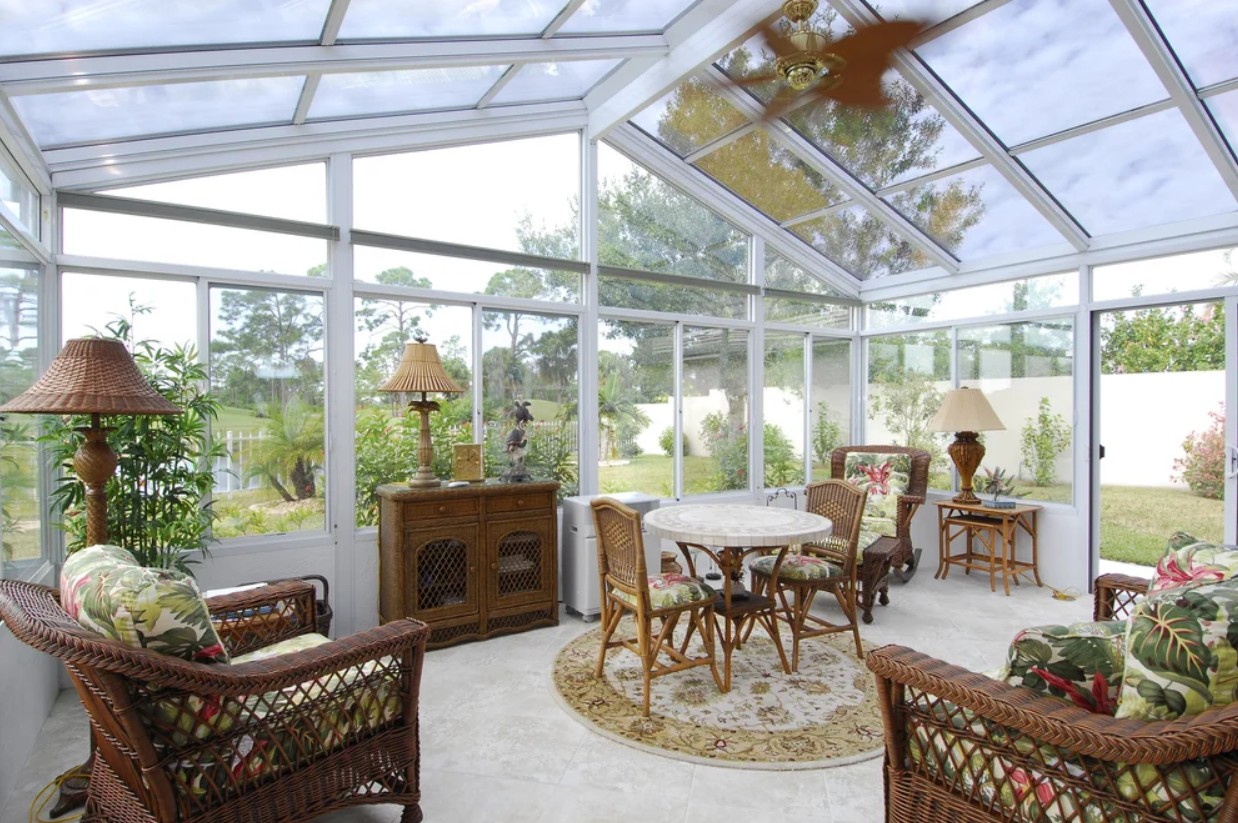
Image: Colorado Sunroom and Window
Designing a sunroom blends architecture, engineering and lifestyle. Each phase, from feasibility to finishing, requires thoughtful coordination combined with transparent communication. Partnering with experienced professionals, such as Colorado Sunroom and Window on projects, ensures both aesthetic value and lasting performance.
Thorough planning today sets the stage for a sunroom that elevates comfort, energy efficiency and long-term satisfaction tomorrow.