













In any commercial property—whether it’s an office building, warehouse, or retail space—ensuring the safety of employees is a top priority. A significant part of this responsibility lies in the proper use of safety equipment and the implementation of effective safety solutions. Business owners and managers must invest in the right safety gear to mitigate risks, prevent accidents, and ensure smooth operations.
This article highlights the top safety solutions for commercial properties and demonstrates how proper equipment can play a crucial role in accident prevention.
1. Reliable Loading Dock Equipment
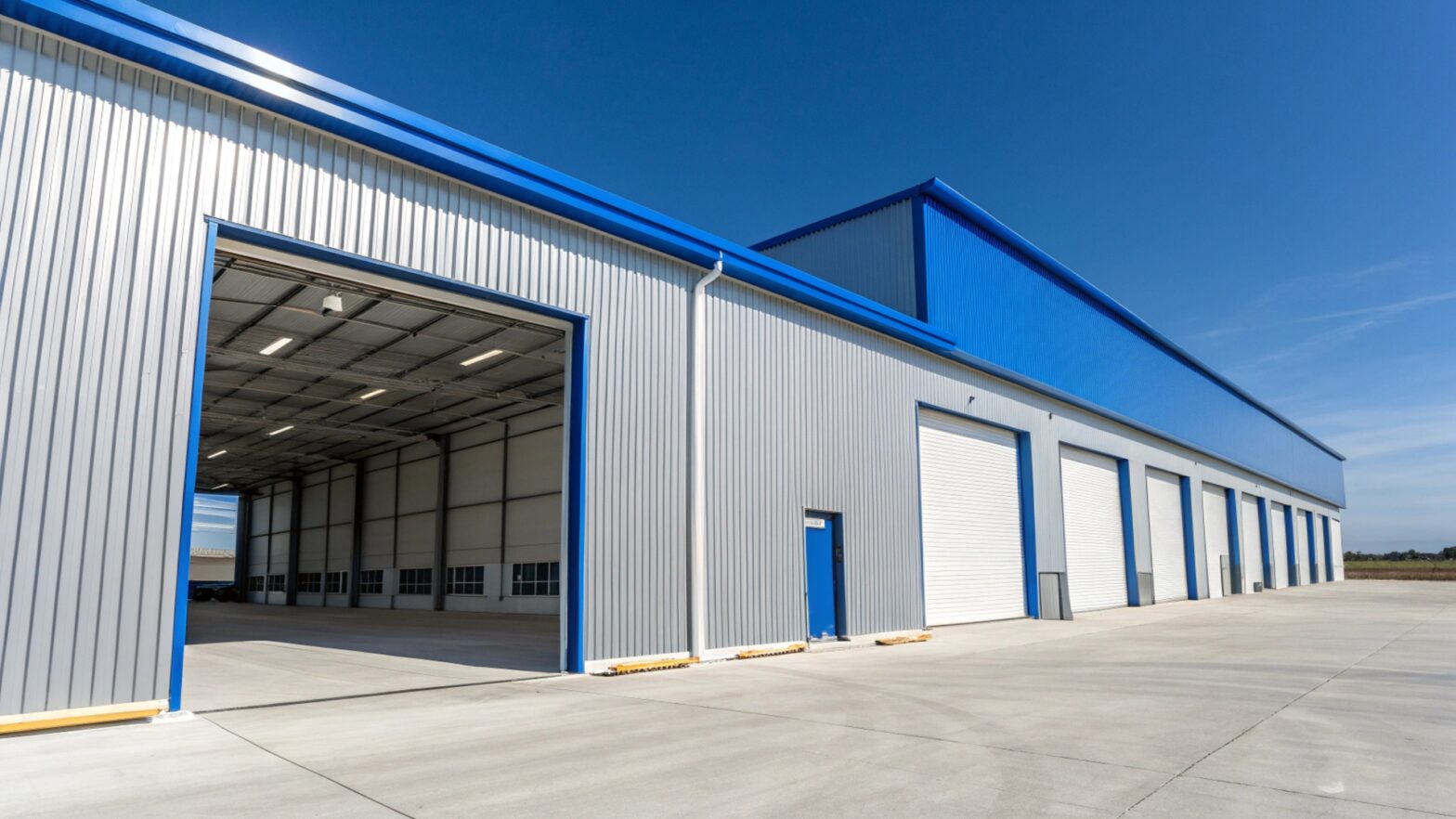
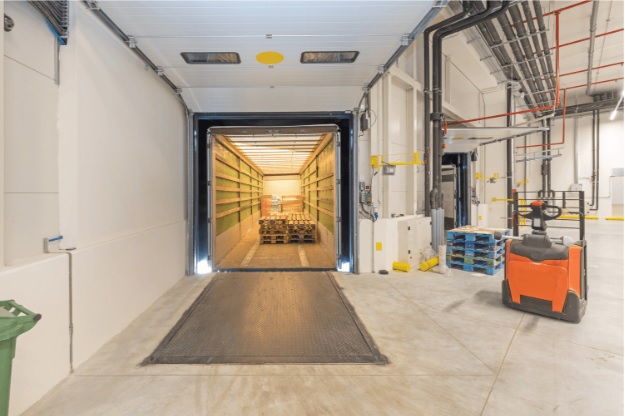
One of the most overlooked yet crucial safety areas in commercial properties, particularly in warehouses and distribution centers, is the loading dock. These spaces are busy hubs for receiving and shipping goods. With the volume of activity and the potential for high-speed operations, loading docks can be hazardous without the proper equipment.
Some of the most effective solutions for preventing accidents at loading docks include:
- Dock Levelers: Provide a smooth transition between trucks and the loading dock to ensure safe loading and unloading. Without them, employees may face the risk of falls or injuries from uneven surfaces.
- Vehicle Restraints: Prevent trucks from moving away from the dock while loading and unloading. Restraining a vehicle ensures that it remains stable and prevents accidents caused by sudden movements.
- Loading Dock Barriers: Protect workers from falling or being struck by vehicles. The barriers help ensure that workers remain a safe distance from vehicles and other machinery.
- Dock Seals and Shelters: Help secure the trailer to the building, providing better energy efficiency and safety during loading. They protect workers from dangerous gaps between the dock and the truck.
These safety measures, when installed and maintained properly, minimize the risk of accidents and injuries. Companies like The Safety Source LLC offer high-quality loading dock solutions, ensuring that loading docks are optimized for safety, durability, and ease of use. Whether you need to upgrade your current system or install a new one, safe loading dock installation plays a critical role in protecting your commercial property and workers.
2. Personal Protective Equipment (PPE)
No matter the type of commercial property, employees are exposed to various risks, so having the proper personal protective equipment (PPE) is important. PPE serves as the last line of defense against physical hazards that cannot be eliminated entirely through engineering controls or administrative procedures. It’s essential in preventing injuries and illnesses that could occur in the workplace.
Common PPE solutions for commercial properties include:
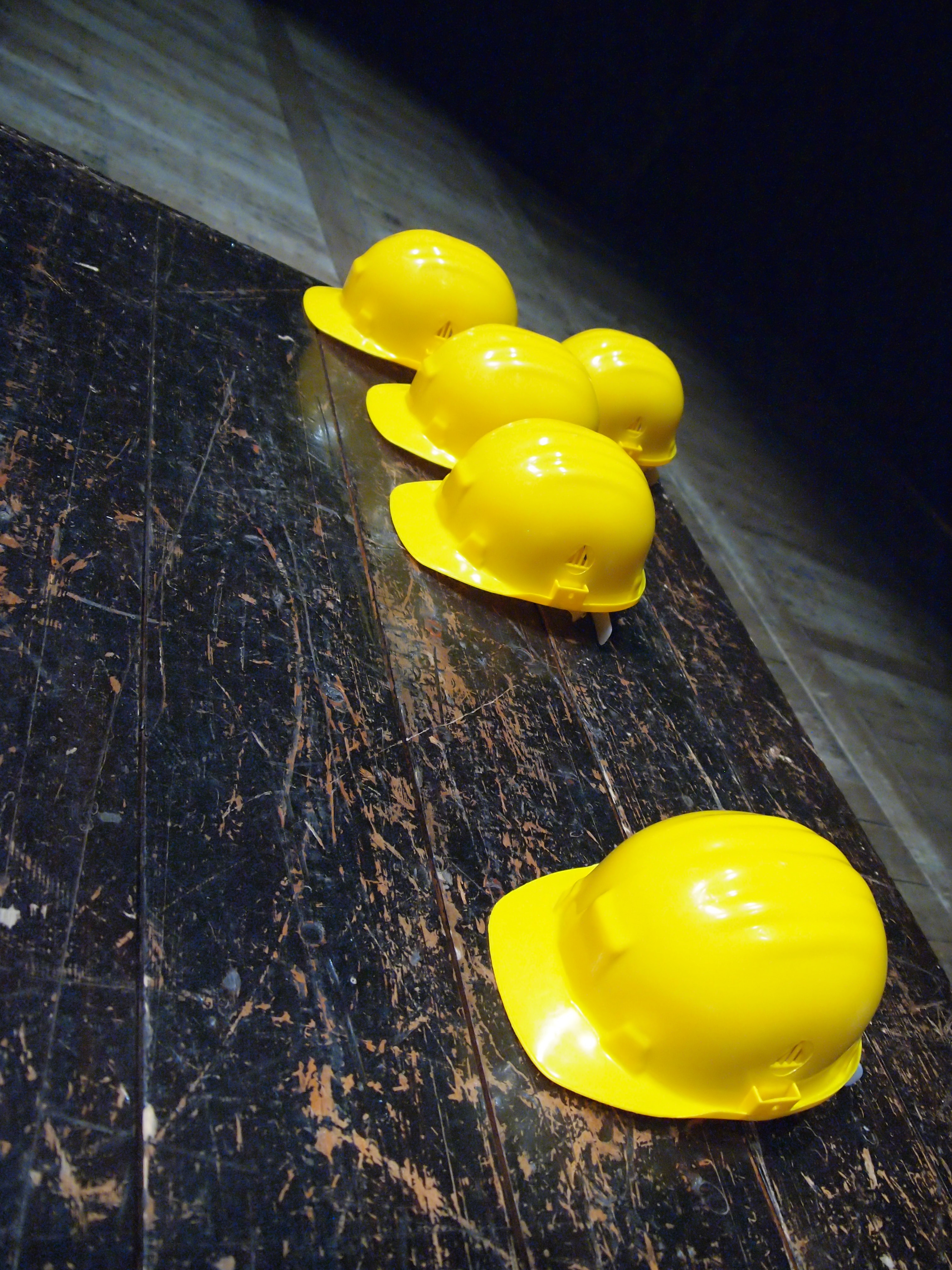
- Hard Hats: Protecting the head from falling objects or bumps against equipment.
- Gloves: Reduce the risk of hand injuries from handling sharp objects, exposure to hazardous chemicals, or operating machinery.
- Safety Glasses: Protect the eyes from debris, chemicals, or flying particles.
- Hearing Protection: Essential for preventing hearing damage.
- High-Visibility Clothing: Ensures that workers are easily seen, reducing the risk of accidents.
With the right PPE, commercial properties can ensure that their employees remain safe while performing their duties. Whether in a warehouse, on a construction site, or in a manufacturing plant, PPE is essential in safeguarding workers from potential hazards.
3. Fall Protection Systems
Falls are one of the leading causes of workplace injuries in commercial properties, especially in construction, maintenance, and industrial environments. Whether it’s a slip on a wet surface, a trip over debris, or a fall from a height, these incidents can lead to severe injuries or even fatalities.
To prevent falls, it is crucial to have the following safety measures in place:
- Guardrails and Safety Nets: Protect workers from falling off edges, platforms, or roofs. Properly installed guardrails and safety nets create a barrier to prevent accidents.
- Harnesses and Lanyards: For employees working at heights, fall arrest systems such as harnesses and lanyards ensure that if a fall does occur, the worker is safely restrained.
- Flooring and Surfaces: Help prevent falls in high-traffic areas, especially in places where liquids or oils might be present.
Investing in fall protection systems not only ensures the safety of workers but also helps in compliance with safety regulations.
4. Cleaning and Maintenance Equipment
A clean, organized workspace contributes significantly to overall safety. Spills, clutter, or improperly stored equipment can lead to accidents. For commercial properties, having the right cleaning and maintenance equipment is a preventive measure that addresses potential hazards before they cause harm.
Some essential cleaning and maintenance tools include:
- Industrial Floor Scrubbers: These machines keep floors free of debris, oils, and liquids that could lead to slips and falls.
- Vacuum Systems: Dust, dirt, and other particulates can accumulate in commercial spaces, affecting air quality and leading to respiratory issues. Regular cleaning with appropriate vacuum systems helps to mitigate this risk.
- Waste Management Systems: Proper waste disposal systems, including trash bins and compactors, ensure that waste does not become a hazard.
Regular cleaning and maintenance schedules ensure that commercial properties remain safe and operational.
5. Training and Education Programs
Even with the best equipment, accidents can still happen if employees are not properly trained. Ensuring that all staff are trained in safety protocols, equipment usage, emergency procedures, and proper PPE use is just as important as having the right tools in place.
Safety training should include:
- Proper equipment handling: Workers should know how to operate machinery, forklifts, and other heavy equipment safely to avoid injuries.
- Emergency response: Employees should be trained on what to do in the event of an accident, including how to administer first aid or evacuate the premises safely.
- Ongoing safety workshops: Regularly scheduled safety workshops ensure that employees stay updated on best practices and regulatory changes.
Conclusion
Commercial properties must prioritize safety by investing in proper equipment, safety gear, and effective training programs. From enhancing loading dock safety to providing workers with the right PPE, every aspect of a property’s operations should be designed to minimize risks and prevent accidents.
Safety is not just a requirement—it’s an investment in the well-being of employees and the long-term success of the business.