



















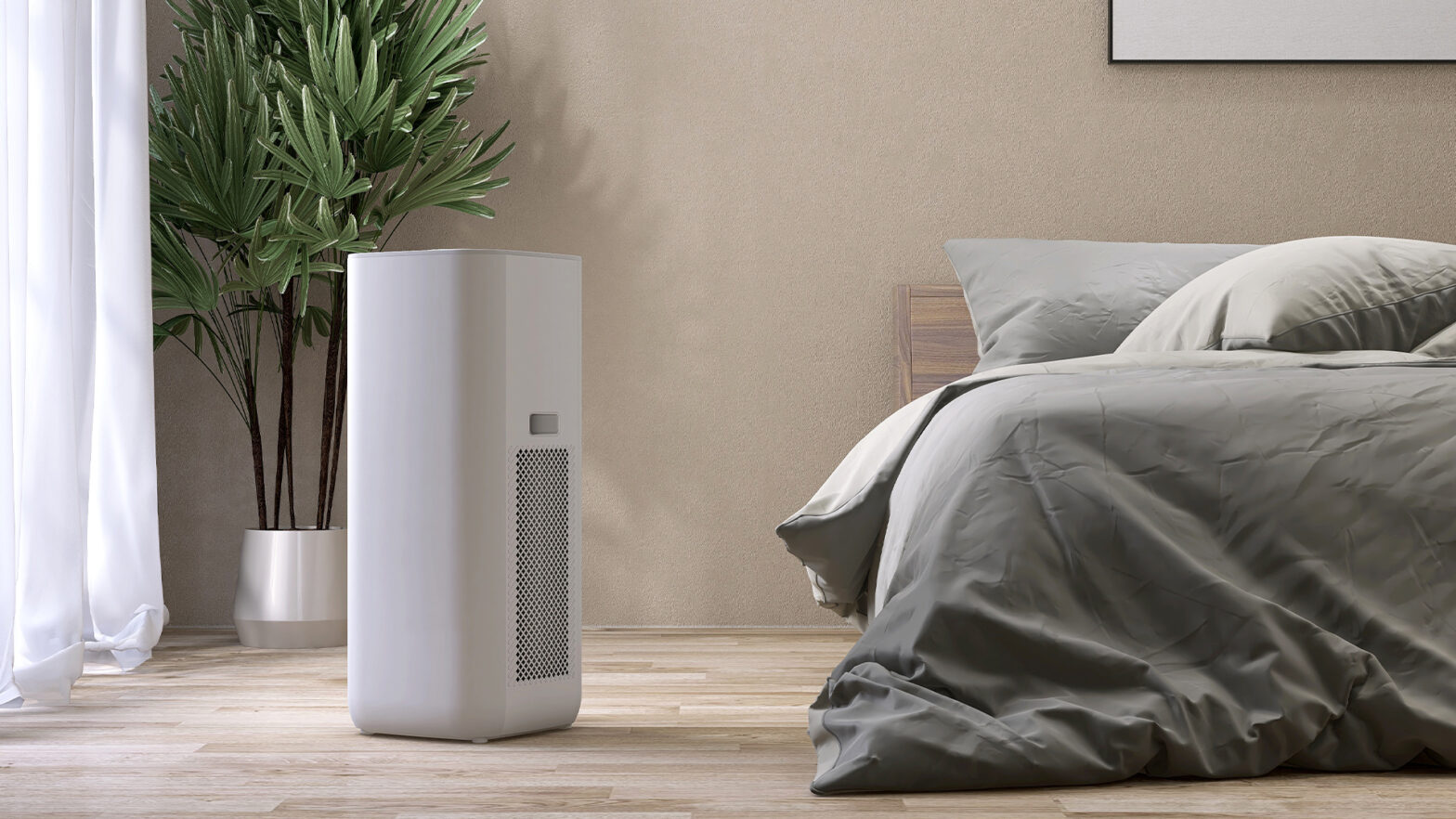
As we brace for the colder months, indoor humidity becomes a bigger concern, especially with everyday activities like drying laundry inside or simmering a pot on the stove that can spike moisture levels in your home. In fact, when humidity levels exceed 70%, it can cause serious damage to your property, warping wood, peeling paint, and even inviting mould to flourish.
And it’s not just your home that’s at risk—your health is, too. High humidity can worsen respiratory issues, allergies, and even disrupt your sleep.
When people think about home appliances that contribute to a healthier lifestyle, dehumidifiers are rarely at the top of the list. Yet, these compact devices play a powerful role in maintaining an optimal indoor environment.
Indoor living experts, Vonhaus, look at how dehumidifiers can improve your health and protect your living space.
A better night’s sleep
A good night’s sleep is essential for overall wellbeing, and maintaining optimal humidity levels can make a significant difference in sleep quality. High humidity makes it harder for sweat to evaporate, causing discomfort and restlessness. By reducing excess moisture, a dehumidifier helps create a more comfortable sleeping environment, allowing you to sleep deeper and longer. Additionally, reducing allergens like mould and dust mites can improve airways during sleep, further enhancing sleep quality and reducing snoring and breathing disruptions.
The air quality
As mentioned, mould and dust mites thrive in damp environments, and over time, they can contribute to respiratory problems, allergic reactions, and worsening asthma symptoms. But the problem with excess moisture doesn’t stop there. High humidity can also accelerate the off-gassing of volatile organic compounds (VOCs) from furniture, paints, and building materials, further degrading indoor air quality. Proper ventilation helps, but it’s not always enough to combat high humidity effectively.
Aneesa Khan, Assistant Home Electricals Buyer at VonHaus, says: “Dehumidifiers are particularly effective in controlling these conditions. By keeping humidity between 30-50%, a dehumidifier can dramatically reduce the presence of mould spores and dust mites, as well as minimise VOCs, ensuring a safer living environment. For individuals with asthma, chronic bronchitis, or allergies, the benefits of dehumidifiers extend beyond general air quality improvements. Controlling humidity not only alleviates symptoms for those with pre-existing conditions but also helps prevent respiratory infections.”
Preventing structural damage and costly repairs
While health benefits are the main reason to consider a dehumidifier, they also provide significant protection for your home. Excess moisture can cause walls, floors, and furniture to warp, crack, or decay. Over time, this can lead to costly repairs and maintenance.
Aneesa Khan says: “Moisture damage is one of the most preventable yet expensive home repairs. A dehumidifier is a simple solution to protect your home’s structure by keeping humidity levels stable, thus preventing mould from taking root in hidden areas like basements, crawl spaces, or behind walls. Not only that, but it also helps maintain the value of your property.”
Energy efficiency and cost savings
It’s easy to overlook the economic benefits of using a dehumidifier. High humidity forces air conditioning systems to work harder, which leads to higher energy consumption. By reducing indoor moisture, a dehumidifier lightens the load on your air conditioner, resulting in lower energy bills. Moreover, a less strained HVAC system will last longer, reducing the need for frequent repairs or early replacement.
But the savings don’t stop there. If you’re air-drying clothes indoors during the colder months, using a dehumidifier is significantly more cost-effective than running a tumble dryer. A dehumidifier uses much less electricity while efficiently extracting moisture from wet clothes, speeding up drying time and preventing damp buildup in your home. This not only cuts energy costs but also helps protect fabrics from the wear and tear caused by high-heat drying.
Overall, a dehumidifier is more than just an appliance—it’s a tool for creating a healthier, more comfortable home. By controlling humidity, you can improve air quality, prevent mould, reduce allergens, and even sleep better. Add in the cost savings from reduced energy consumption and home maintenance, and it’s clear that dehumidifiers are a smart investment in your wellbeing.