




















Vintage homeware is enjoying a resurgence, with more homeowners introducing characterful older pieces into contemporary spaces. With Google searches for “vintage homeware” up 22% and Pinterest naming Opera Aesthetics as a key trend this year, it is clear the appetite for vintage inspired interiors is gaining momentum.
As more homeowners embrace characterful older pieces in contemporary spaces, Magdalena Gierasinska, Head of Product and Displays at Barker and Stonehouse, shares practical advice on how to style, clean and maintain vintage homeware correctly.
Why are vintage aesthetics gaining popularity?
Natalia Willmott, Vintage and Antique Expert, explains the shift.
“I think people are craving homes that feel human again. After years of fast interiors and algorithm led design, there is a growing desire for spaces that feel layered, personal and emotionally grounding. Vintage and antique pieces offer instant depth because they carry craftsmanship, history and a sense of continuity.
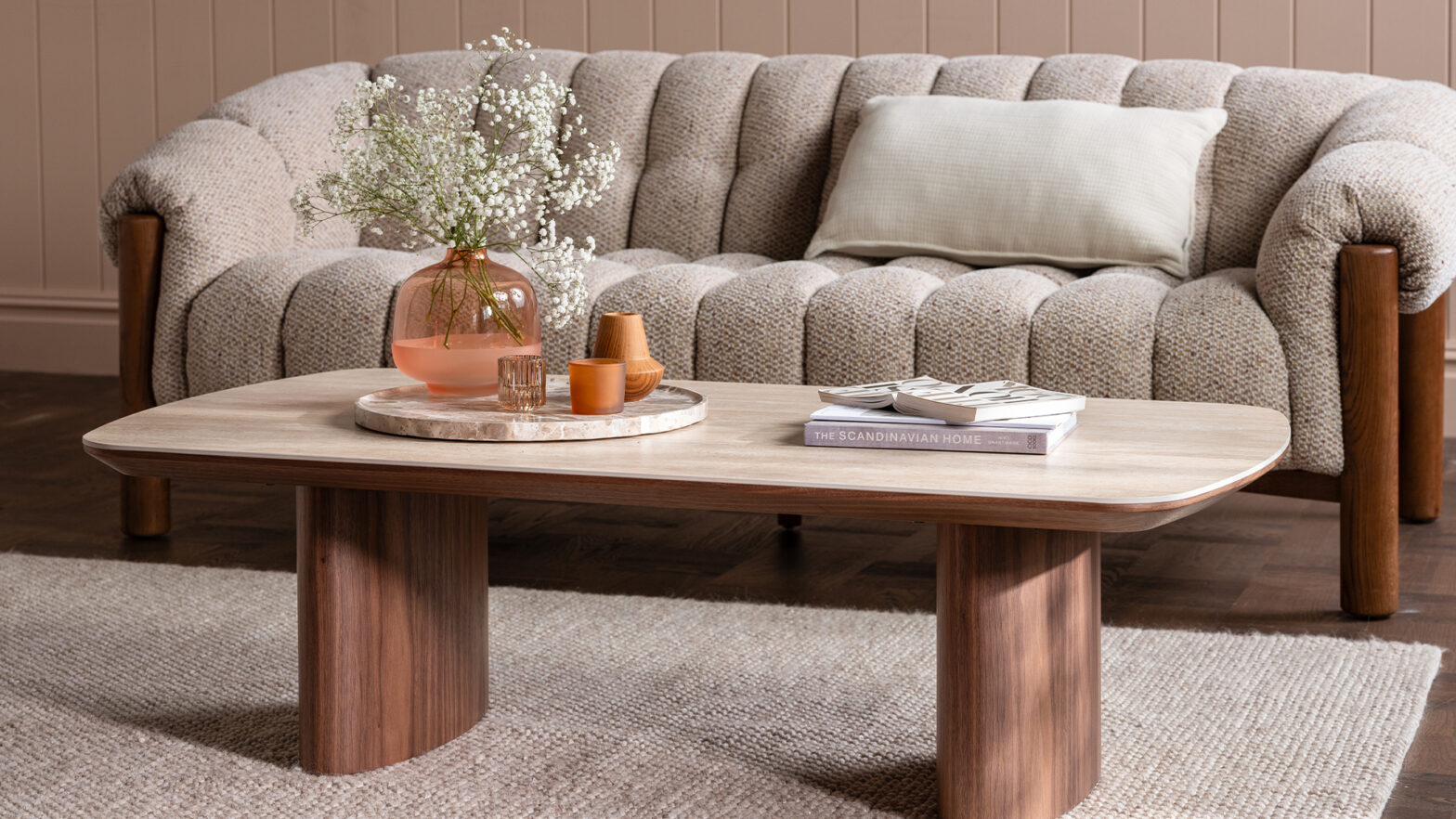
“There is also a strong sustainability angle. Buying vintage is one of the most responsible ways to furnish a home because you are extending the life of something already beautifully made. Just as important is the story element. A few small vintage pieces on a coffee table can spark conversation and connection. For me, the home should be a place that hugs you, somewhere you find comfort and tell your story through the objects you live with.”
Caring for vintage pieces in modern homes
While vintage décor adds character and individuality to a space, proper maintenance is essential to preserving its longevity.
Magdalena Gierasinska, Head of Product and Displays at Barker and Stonehouse, says, “Vintage and antique décor has an unmatched ability to transform a space when styled thoughtfully. Vintage elements instantly inject character, charm and storytelling into a room, which makes a space feel curated and intentional rather than simply functional.
“But a common habit people overlook is how they care for these pieces once they are in the home. Upholstered furniture in particular needs the same level of care as clothing. Even if dust and dirt are not immediately visible, they build up over time and can dull colours or damage fibres if they are not maintained properly.”
Fabric upholstery: cleaning and ongoing care
Magdalena explains that regular upkeep can significantly extend the life of vintage and vintage style furniture.
“Vacuuming or lightly brushing upholstery once a week helps remove dust and dirt that gradually settle into the fabric and can dull colours over time. Cushions should also be plumped daily, especially if they are filled with feather or fibre, as this helps maintain their shape and prevents permanent creasing.
“It is also worth rotating reversible seat and back cushions regularly so wear is evenly distributed. Something as simple as always sitting in the same spot can cause dips or uneven settling over time.
“One mistake people often make is sitting on the front edge of cushions or the arms of sofas and chairs. This places pressure on areas that are not designed to support weight and can cause distortion in the structure of the furniture.
“If you have pets, try to keep them off upholstered pieces where possible, and be mindful of sharp objects that could snag delicate fabrics. If a snag does occur, trim the loose thread carefully with scissors rather than pulling it, as pulling can cause further damage.
“When spills happen, the key is to act quickly. Blot the area gently with a clean white cloth rather than rubbing it, and avoid detergents which can damage fibres or leave marks.
“Another important factor is sunlight. Strong direct sunlight can fade fabrics over time, so it is worth considering where upholstered pieces are placed in the room.”
Interior fillings also require some understanding. Foam core interiors tend to offer greater resistance to settlement, while feather and fibre fillings provide a softer feel but need more regular plumping. It is also common for fillings to lose some density during the first few months of use, so rotating cushions and occasionally changing seating positions can help maintain their shape.
Understanding vintage style fabrics
Magdalena adds, “Different fabrics require different levels of care. Raised pile fabrics such as velvet, velour and chenille can develop shading, crushing or pile pressure. This is a natural characteristic of the fabric and can appear even when the piece is new.
“Materials such as damask, calico and microfibre all vary in durability and finish, so it is important to follow manufacturer care labels carefully. It is also best to avoid solvent cleaners or spray polishes, as these can damage both the fabric and surrounding decorative details.
“Traditional or vintage inspired pieces often include decorative finishes such as fringes, braiding or ruching. These details should be vacuumed gently and handled with care so they do not become tangled or worn.”
Wooden and decorative elements
Wood or decorative facings on vintage and antique furniture require minimal maintenance and should simply be wiped occasionally with a damp cloth to remove dust. Solvent based cleaners should be avoided, as they can damage finishes and surrounding materials.
Magdalena also recommends small protective additions to help prolong the life of older furniture.
“Protective features such as arm caps or caster cups can make a real difference, especially with heavier antique pieces. They help reduce wear on both the furniture itself and the flooring beneath it.”
Balance old with new
When styling vintage interiors, Magdalena says balance is essential.
“A common mistake people make when styling a vintage inspired space is leaning too heavily into the look. When every piece feels antique, a room can quickly shift from feeling thoughtfully styled to appearing frozen in time.
“The key is balance. A helpful rule used in interior design is the 60 to 40 approach. Around 60 percent of a room should be led by the dominant style, which in most homes will be the modern anchor pieces such as the bed, sofa, armchair and other larger furniture usually bought new.
“The remaining 40 percent can then be dedicated to complementary styles, which allows vintage elements to be layered into the space in a way that feels natural and visually balanced rather than overwhelming.”
For more information on interior styling, please visit: Your House Blog – Barker and Stonehouse