
















- Wren’s 2026 Trends Report highlights seven key movements shaping homes next year, from Art Deco revival to colour drenching and flexible living.
- Earthy palettes, natural textures and curated contrast lead the shift toward warmer, more personal and versatile interiors.
Wren has unveiled its 2026 Home Trends Report, setting out the seven design movements expected to influence British homes next year. Combining emerging trends from platforms such as Pinterest, TikTok, WGSN and Google, the report reflects a noticeable shift towards spaces that feel expressive and deeply connected to wellbeing.
David Balko, kitchen expert at Wren, has also drawn on Wren’s extensive design insight from thousands of customer projects to reveal changing interior preferences.
2026’s interiors point to homes that are both characterful and calming. Earthy palettes replace bright and multifunctional layouts evolve as a natural response to modern life. Rather than chasing statement looks, homeowners are choosing finishes and styles that feel lived-in, warm, and reflective of their personal story.
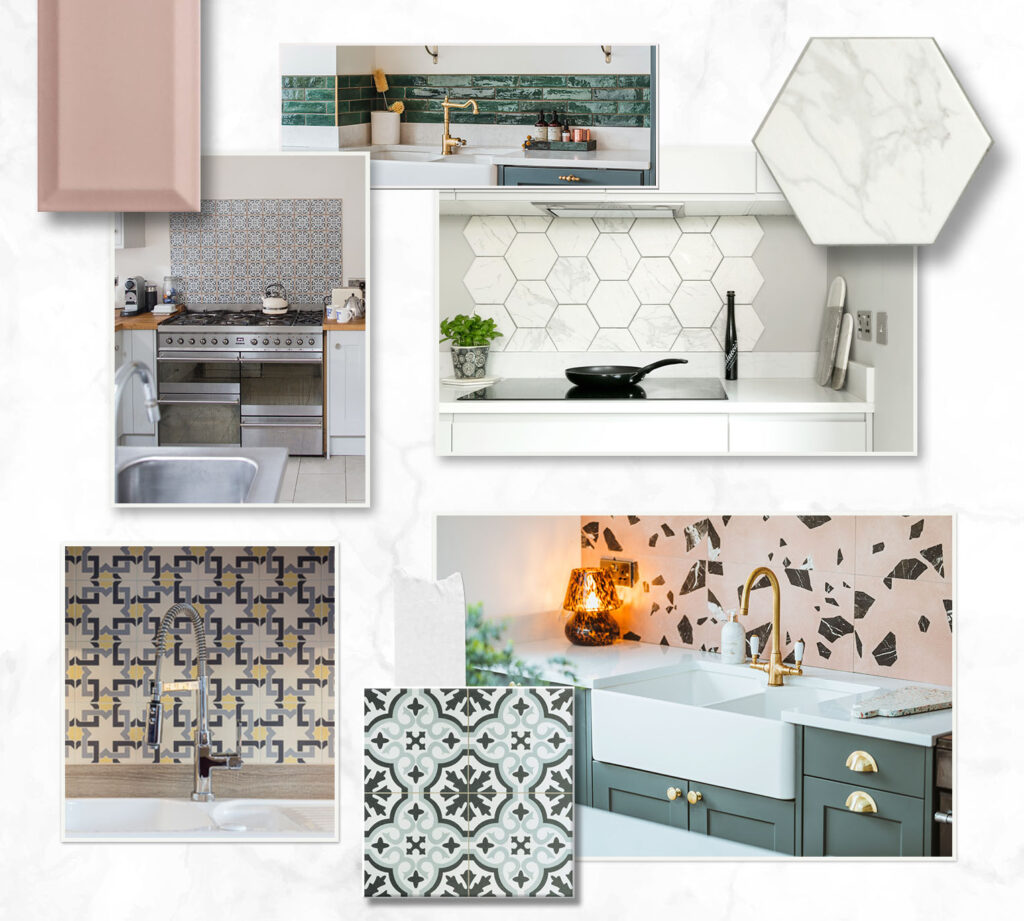
1. Statement splashbacks & accent tiles
Searches for unique and vintage-inspired tiles have skyrocketed across Pinterest. Vintage tiles increased by +1,107% and accent tiles behind stoves rose by +388%, demonstrating a cultural desire for kitchens with more personality and visual artistry. Homeowners are increasingly choosing patterned splashbacks, scallops, honeycomb, elongated metro tiles and geometric motifs, as a centrepiece rather than an afterthought.
But this trend has matured. Instead of brightly contrasting tile-and-unit combinations, 2026’s approach balances expressive tiling with the earthy colours dominating customer choices. Warm mushroom units, muted greens and natural stone worktops allow statement tiles to shine while maintaining harmony.
“People want a focal point, but not chaos. Vertical and herringbone tiles are popular choices because they create movement without noise, and full-height splashbacks frame the kitchen beautifully,” says David. “You can also embrace the two-tone trend by pairing different shades of tiles. Ombre designs work well in grey, blue, pink or green, or you could create a striking striped effect with contrasting colours. For a more modern twist, combine two separate colours into a herringbone layout, or colour-block sections of open shelving for added interest, bringing the kitchen completely up to date while keeping it harmonious.”
The look transcends into bedrooms through en-suite feature walls or tiled headboard panels, offering a boutique feel without overwhelming the space.
2. Art Deco revival
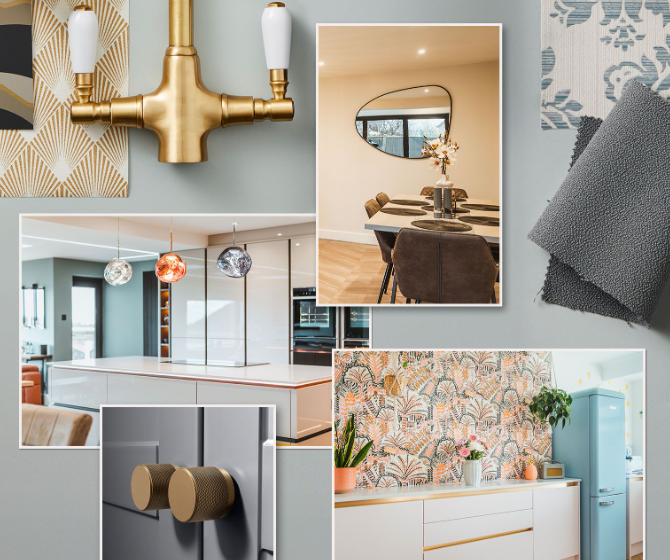
The modern Art Deco resurgence is rapidly emerging as one of the most popular design trends online. Pinterest searches for Art Deco interiors have increased by +805% and 1920s-style kitchens have risen by +494%, indicating that vintage kitchen glamour is set to be a key look for 2026.
Kitchens are embracing Art Deco flair through geometric units and metallic finishes, creating a sense of structure and elegance. Angular or curved unit shapes add visual interest, while gold or brass hardware introduces a touch of glamour. The combination of bold geometry and warm metallics brings a timeless feel to cooking spaces, making them both stylish and functional.
“For many homeowners, Art Deco is appealing because it blends nostalgia with refinement,” says David. “Gold hardware is overtaking silver, and natural woods are becoming the canvas for that Deco warmth. It’s elegant, but very liveable.”
In bedrooms, the refined Deco trend is expressed through dressing tables and furniture featuring luxurious textures, warm wood grains, and elegant curved silhouettes.
Wren’s insights highlight Cognac Oak and rich walnut tones as key choices, offering the warmth and sophistication of 1920s and 30s interiors while feeling fresh and modern. These wood finishes work beautifully alongside updated fluted glass and soft gold accents, creating a stylish yet inviting bedroom atmosphere.
3. Colour drenching & mood layering
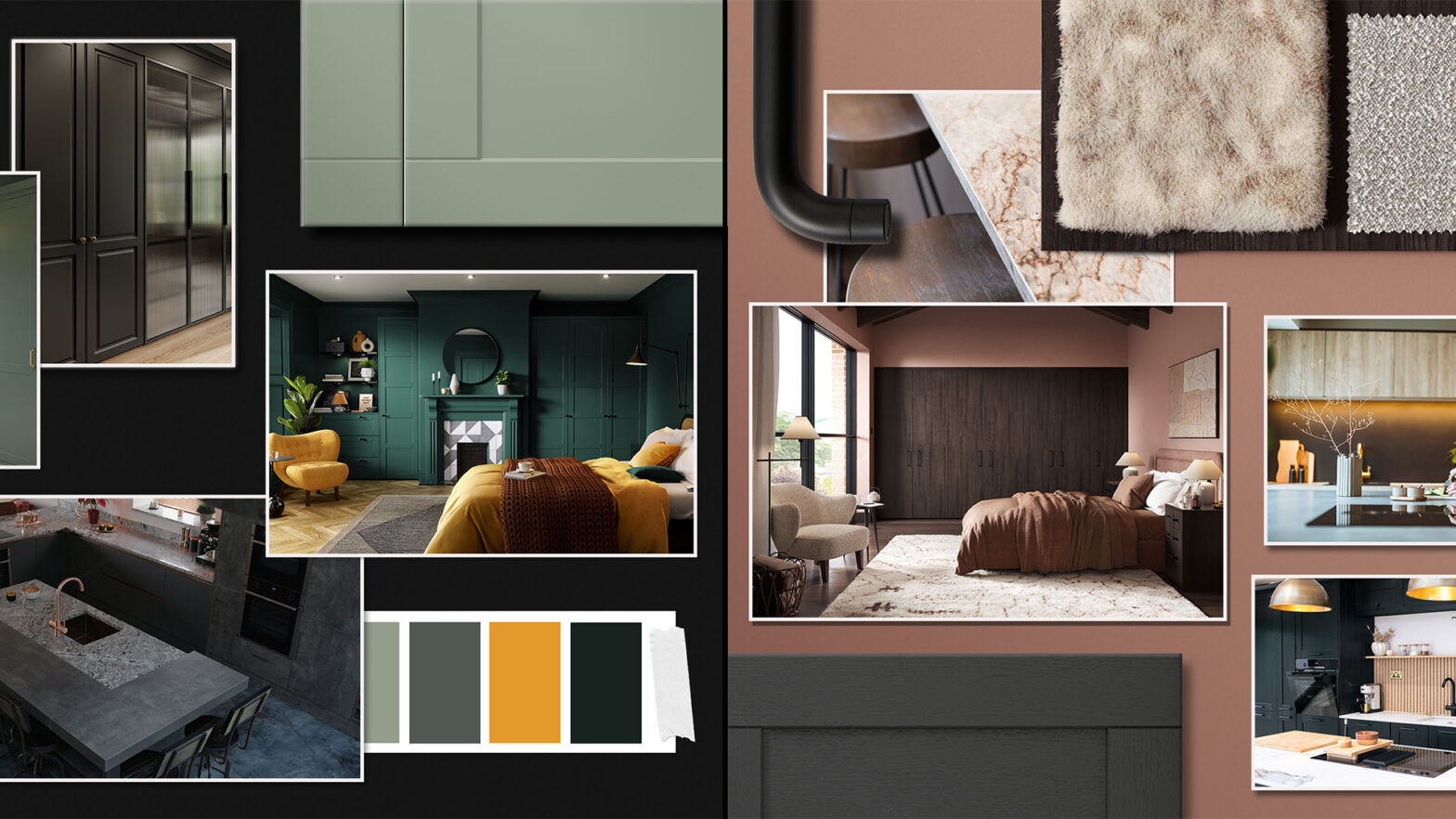
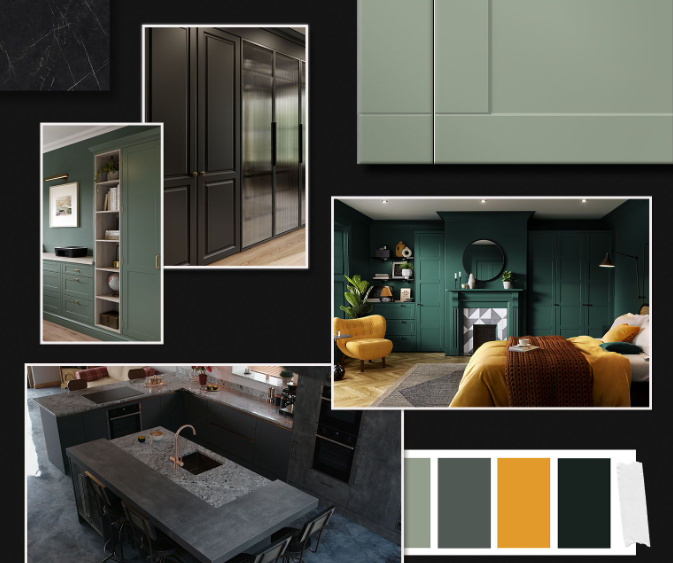
Colour drenching, walls, ceilings and units in the same tonal family, is growing rapidly across trend platforms, with a 149% increase on Google of ‘colour drenching’ mentions. In 2026, the palette shifts toward earthiness. Wren’s customers are increasingly selecting greens, mushroom, beige, clay and soft neutrals, reflecting a need for emotional ease and subtlety in the home. Bright kitchens have seen a decline, grey kitchens are decreasing in popularity, but neutrals still reign supreme.
In kitchens, tone-on-tone designs create sophisticated continuity, especially important in open-plan layouts where dining and living spaces merge. The interest isn’t just in colour: matte finishes, lacquered surfaces and natural textures add new depth to monochromatic schemes.
“Colour drenching works so well because it creates calm,” David says. “People want consistency across their home. The biggest shift we’re seeing is customers choosing warm neutrals and greens across multiple rooms, not just the kitchen.”
Bedrooms embrace this trend through layered textures: boucle chairs, stone-coloured wardrobes, linen bedding, plush rugs and warm wood accents. The effect is harmonious, promoting a place of rest and relaxation.
4. Sociable and flexible spaces
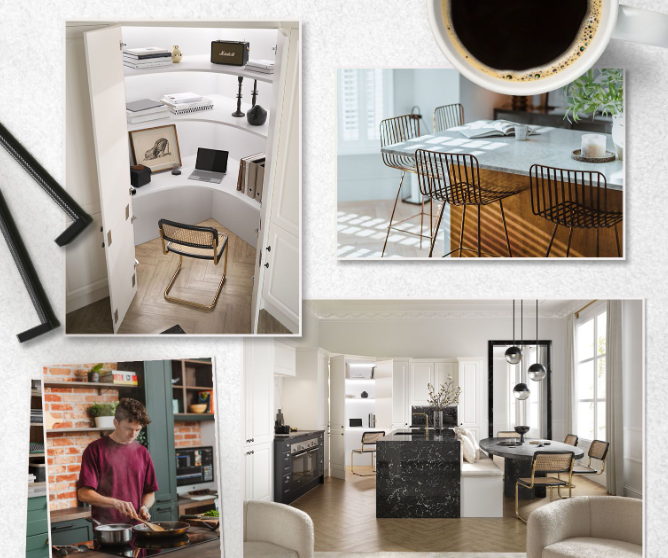
The desire for multifunctional living, a legacy of the Covid era, is becoming deeply embedded in design behaviour. TikTok trends show kitchens are becoming sociable hubs for entertaining, with thoughtfully arranged seating to foster conversation and lingering.
In the kitchen, this means islands with integrated seating, dining worktops that double as workstations, and storage solutions that merge seamlessly into living areas. Slim Shaker units is increasingly requested in city homes, striking a balance between contemporary clean lines and traditional warmth, ideal for spaces that must perform multiple roles effortlessly.
“The kitchen is the modern living room,” David explains. “Customers want places where cooking, chatting, working and relaxing all happen in the same flow. The most valuable designs are the ones that support every part of life.”
In bedrooms, flexible reading nooks, modular desks, soft seating and discreet storage help create rooms of requirement which blend relaxation and productivity.
5. Spliced compositions & bold contrasts
Designers and homeowners alike are moving toward curated contrast, the ‘spliced’ aesthetic predicted by WGSN. Pinterest searches around two-tone kitchens, mixed materials and layered interiors reflect this growing trend.
There are many ways to achieve this trend, available options include dual-tonal units, mixed wood-and-paint combinations, and islands with contrasting worktops, providing layered materials that add depth and personality while maintaining a cohesive, harmonious feel.
According to David, “People no longer want uniformity. They want combinations that tell a story, but with the warmth and subtlety we’re seeing dominate 2026. It’s less about maximalism and more about curated contrast.”
In bedrooms, the trend might include linen alongside velvet, patterned rugs with sleek furniture, or warm woods paired with muted decorative pieces. The result is expressive yet grounded.
6. Biophilic design and natural textures
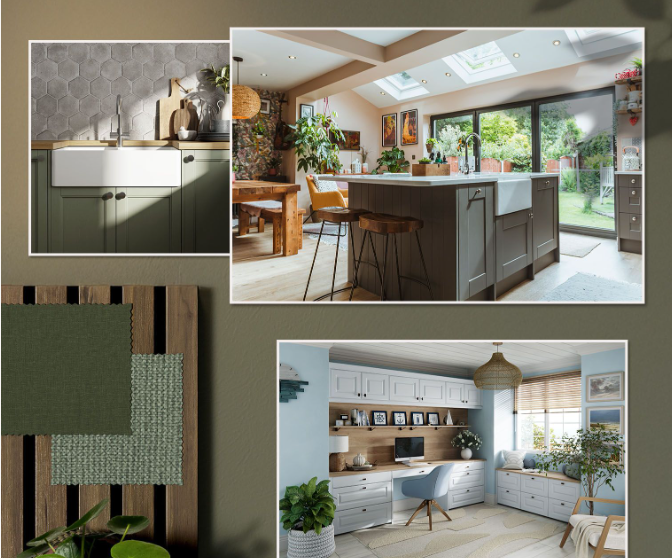
Biophilia remains one of the most influential long term trends, and in 2026 it evolves beyond statement greenery to embrace material-led wellbeing. TikTok search behaviours indicate consistent interest in microgreen corners, green colour drenching, and earth tones as top interior trends. Pinterest and Mintel confirm a growing demand for homes reflecting personality and wellness.
Wren’s internal insights reflect this shift: warm timber and wood-effect units, tactile natural finishes and earthy colour palettes are becoming dominant choices in both kitchens and bedrooms. Modern fluted glass also supports the biophilic mood, offering depth and gentle light diffusion.
“People want homes that help them decompress. Linen, rattan, warm woods and soft greens instantly create that restorative feeling. The trend is really about emotional comfort,” says David.
Bedrooms lean into textured softness with layered bedding, natural fibres, raw wood furniture and lightly textured walls, creating restorative retreats suited to modern wellbeing culture.
7. Softened darkness and luxurious cocooning
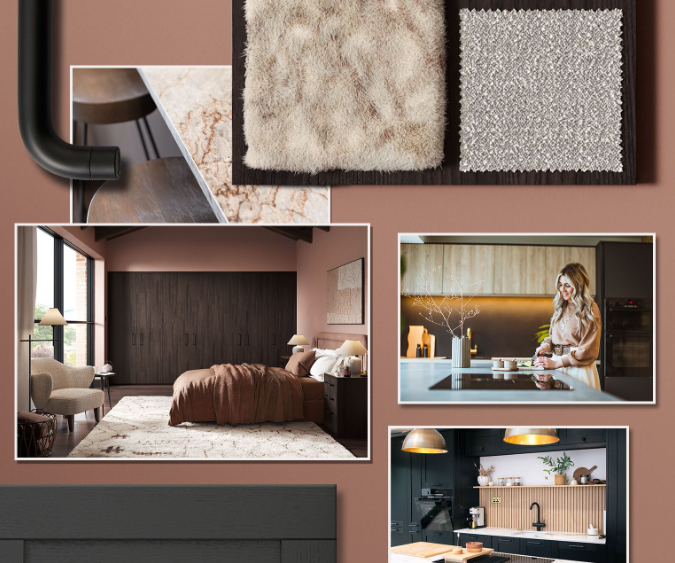
Search interest in moody interiors continues to soar, but 2026’s dark palette is softer, warmer and more textural than in previous years. WGSN highlights that deep greens, navy, charcoal and black tones paired with matte finishes, gold highlights and warm lighting create inviting rather than dramatic spaces.
In kitchens, dark units is softened by natural stone or warm wood accents, creating cosy, balanced spaces rather than stark monochrome schemes.
David adds, “Dark spaces have shifted from bold to soothing. What people love now is that cocooning feeling, cosy, intimate, and incredibly luxurious when paired with the right lighting.”
In bedrooms, moody design is inspired by rich dark woods such as Wren’s Black Walnut Matt finish. Plush textiles, layered throws, dimmable lighting and matte black accents, create an enveloping retreat perfect for winter comfort and year-round sophistication.
To find out more about the 2026 home trends report, please visit – https://www.wrenkitchens.com/blog/the-big-home-trends-report-2026/