



















Our home is a private and safe space where we can tune out and relax from the world outside. And an influential factor in a home’s cosiness is the furniture you choose to design and decorate your home with.
If your home’s layout clashes with the general themes of comfort, then it’s crucial to change the layout and mindfully incorporate calming furniture pieces within the home setting.
Sensory furniture is one such category of furniture that promotes a calming atmosphere at home, particularly easing the mental space of neurodivergent, sensory-sensitive, and anxious individuals.
When the home is equipped with sensory furniture, the mind and body of these vulnerable individuals can fully decompress. If you’re curious to learn more, then read on to see the benefits of having these furniture pieces at home.
A Closer Look at Various Sensory Furniture
All sensory furniture pieces hold fundamental elements that work to gently promote a positive and quiet mental state.
They often have calming, muted tones and soft, plush textures that make them feel naturally inviting for different types of individuals.
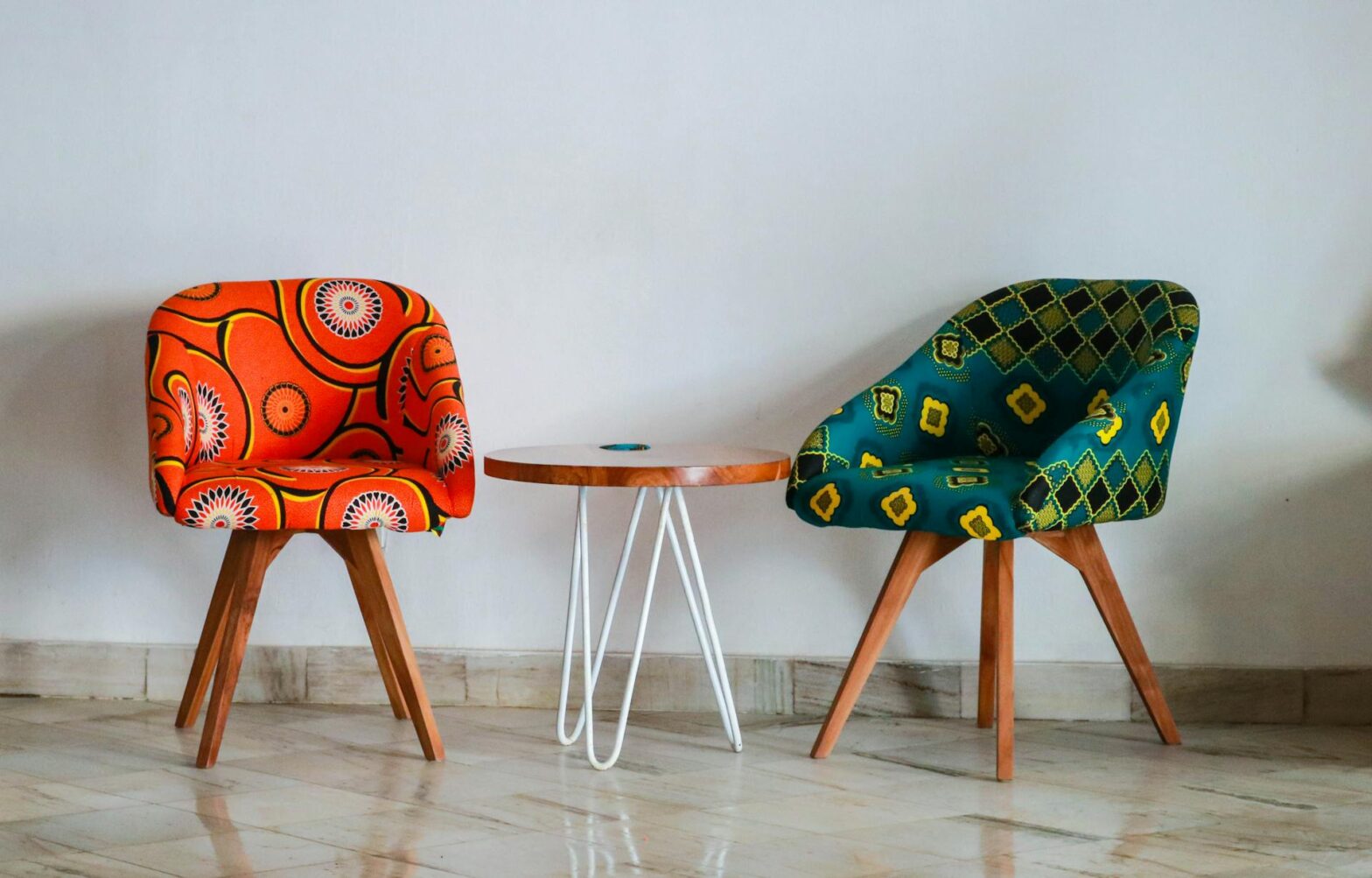
Here are some examples of sensory furniture pieces:
- Weighted chairs: Heavy, stable, and high-density foam seating with arm support.
- Bean bags: Flexible, soft, circular padding that allows the body to relax comfortably.
- Swivel chairs: Chair that allows sideward movement, helping soothe the individual sitting down.
- Textured cushions: Plush decor with soft materials and a tactile covering that can soothe individuals.
- Crash pads: Large, soft foam mats with a deep pressure input.
- Fibre optic lights: Light strands that can be watched for visual stimulation.
- Hammocks: A type of furniture that allows individuals to be gently rocked or swung.
You can browse through more sensory furniture from Knightsbridge or other retailers, as their furniture selection can be incorporated into your home or used as inspiration for future interior layout picks.
4 Benefits of Sensory Furniture in the Home
As seen above, sensory furniture can come in various forms. Regardless, they all serve a purpose in the household.
Here are some specific benefits of having sensory furniture integrated into your house design.
Promotes Emotional Regulation
One of the most notable benefits of sensory furniture from verified retailers is the ability for these pieces to calm a person’s emotional state.
Sensory furniture is engineered with textures and shapes that support the body and mind, utilising characteristics like soft plush and tactile parts to calm an overstimulated mind.
Anxious and neurodivergent folks can benefit greatly from sensory furniture because it’s designed to help reduce these feelings of overwhelm. It’s normal for these individuals to have a heightened sense of awareness and increased sensitivity to various stimuli.
Sensory furniture keeps things mellow, providing a predictable and comforting input that allows the body to relax. And when the body enters that relaxed state, emotions can be felt and regulated more naturally.
In turn, this can make them feel more at ease in their home environment. These individuals will be more likely to be open to their surroundings and unwind in the comfort of their own homes, not get swallowed up by it. This, in turn, can help them feel truly rested in their home.
Enhances Comfort and Physical Well-being
Beyond the emotional benefits of sensory furniture, there are also physical perks of having it in your home.
Sensory furniture is designed to support the body naturally. They don’t add tension or promote discomfort if used properly—as that goes against the very essence of why these furniture pieces exist in the first place!
Cushioning and ergonomic support allow the body to settle into a position that minimises strain and maximises comfort. For individuals who are sensitive to pressure in the body, the sensory experience of this furniture type can make them feel more at ease when at rest compared to traditional furniture.
When a sensitive individual is comfortable, their body can naturally enter a relaxed and comfortable state. This, in turn, can make them maintain a better posture, lower stress and tension in the body, and improve their overall well-being at home.
Supports Mental Clarity
Another benefit of sensory furniture is its inherent ability to keep one’s mind from running a hundred miles a minute. When the body is emotionally and physically stable, it’s easier for the mind to focus on tasks without feeling mentally all over the place.
Anxious people and neurodivergent folks are prone to experiencing sensory overload, and a bad environment can make them spiral into overwhelm and make them even less likely to focus. The best solution is to create an environment where their mind slows down and focus on the present moment.
Sensory furniture helps achieve this as it’s specifically built to promote a stable mind for resting, working, or studying. With the right furniture, you can transform unproductive and emotional individuals into calmer and more functional versions of themselves.
Fosters Inclusivity At Home
One of the most meaningful benefits of sensory furniture is creating a space that feels inclusive and welcoming to people of all backgrounds.
Sensory furniture doesn’t always have to be about you or your needs—they extend over to the family’s needs as well. Having sensory furniture at home could encourage your neurodivergent son or daughter to stay in the living room instead of holing themselves up in their bedroom, for instance. This can be great in strengthening a familial connection.
Even if your home doesn’t house highly anxious people or neurodivergent folks specifically, having these furniture pieces around can make any future guests with those conditions feel understood and accommodated when inside your home. Plus, these sensory furniture pieces are still highly beneficial in providing comfort for even non-anxious and neurotypical folks.
By scattering some sensory furniture around your home, you can make your home a truly comfortable space for your family and children. We hope we’ve helped you understand the purpose of this classification of furniture better!