














Investing in real estate has always been a popular way to generate wealth, but the focus is shifting. More investors are now looking at sustainable property investment, particularly in cities like Leeds. The push towards sustainability is not just a trend; it is rapidly becoming a vital aspect of the modern real estate market. But why Leeds? And how are green developments shaping the future of real estate returns leading up to 2030?
In this article, we’ll explore the rise of sustainable real estate in Leeds, how it’s impacting the market, and why it could be a smart move for eco-conscious investors. As the demand for sustainable living spaces increases, understanding the benefits and opportunities within this sector can offer both financial and ethical advantages.
Summary
Leeds is emerging as a UK hub for sustainable real estate, backed by supportive policy, growing demand, and flagship projects like the Climate Innovation District and Wellington Place. Green developments are driving higher rents and values, lower operating and maintenance costs, and access to incentives, making them resilient performers through 2030. Advances in materials, energy systems, and smart technologies, combined with the city’s ongoing initiatives, position eco-friendly properties to deliver attractive returns alongside meaningful environmental and social impact.
Sustainable real estate focuses on creating properties that are environmentally friendly and energy-efficient. This can involve using eco-friendly building materials, incorporating renewable energy sources, and designing spaces that minimize waste and energy usage. These developments aim to harmonize with the environment, often using innovative architecture and technology to reduce their ecological impact.
The goal is to reduce the carbon footprint of buildings while enhancing the quality of life for their occupants. Sustainable real estate strives to provide healthier living and working environments, promoting well-being through improved air quality, natural lighting, and energy conservation. The approach not only benefits the planet but also enhances property appeal and marketability by aligning with shifting consumer preferences towards sustainability.
Leeds, a bustling city in West Yorkshire, is becoming a hub for sustainable development. Known for its vibrant culture and economic significance, Leeds is now at the forefront of the green real estate movement. The city’s commitment to sustainability is evident in its growing number of eco-friendly projects and initiatives that cater to both residential and commercial sectors.
Leeds has been on the forefront of green initiatives for years. With strong support from local government, the city has implemented policies that encourage sustainable development. This includes tax incentives for green building projects and grants for eco-friendly renovations. Such measures not only support environmental goals but also make Leeds an appealing destination for developers and investors seeking to maximize returns.
Additionally, the city’s strategic location makes it an attractive spot for investors. As a major economic center, Leeds offers robust infrastructure and a growing population, creating demand for both residential and commercial properties. Its connectivity and economic vitality position Leeds as a leading contender for sustainable investments, where the balance of urban development and environmental stewardship can be effectively achieved.
Several green developments have already taken root in Leeds. These projects showcase innovative designs and sustainable practices, setting a benchmark for future developments in the city. By incorporating cutting-edge technologies and eco-friendly designs, these initiatives are transforming the urban landscape, making Leeds a model for sustainable urban living.
The Climate Innovation District is a prime example of sustainable housing in Leeds. This development combines modern living with eco-friendly designs. Homes in this area are built using sustainable materials and are designed to be energy-efficient. They feature renewable energy systems, such as solar panels and heat recovery units, which significantly reduce their environmental impact.
The district aims to foster a community centered around sustainability, with shared spaces and resources that encourage residents to engage in sustainable practices. By integrating green spaces and promoting biodiversity, the Climate Innovation District not only reduces carbon emissions but also enhances the quality of life for its inhabitants, making it a desirable location for eco-conscious individuals.
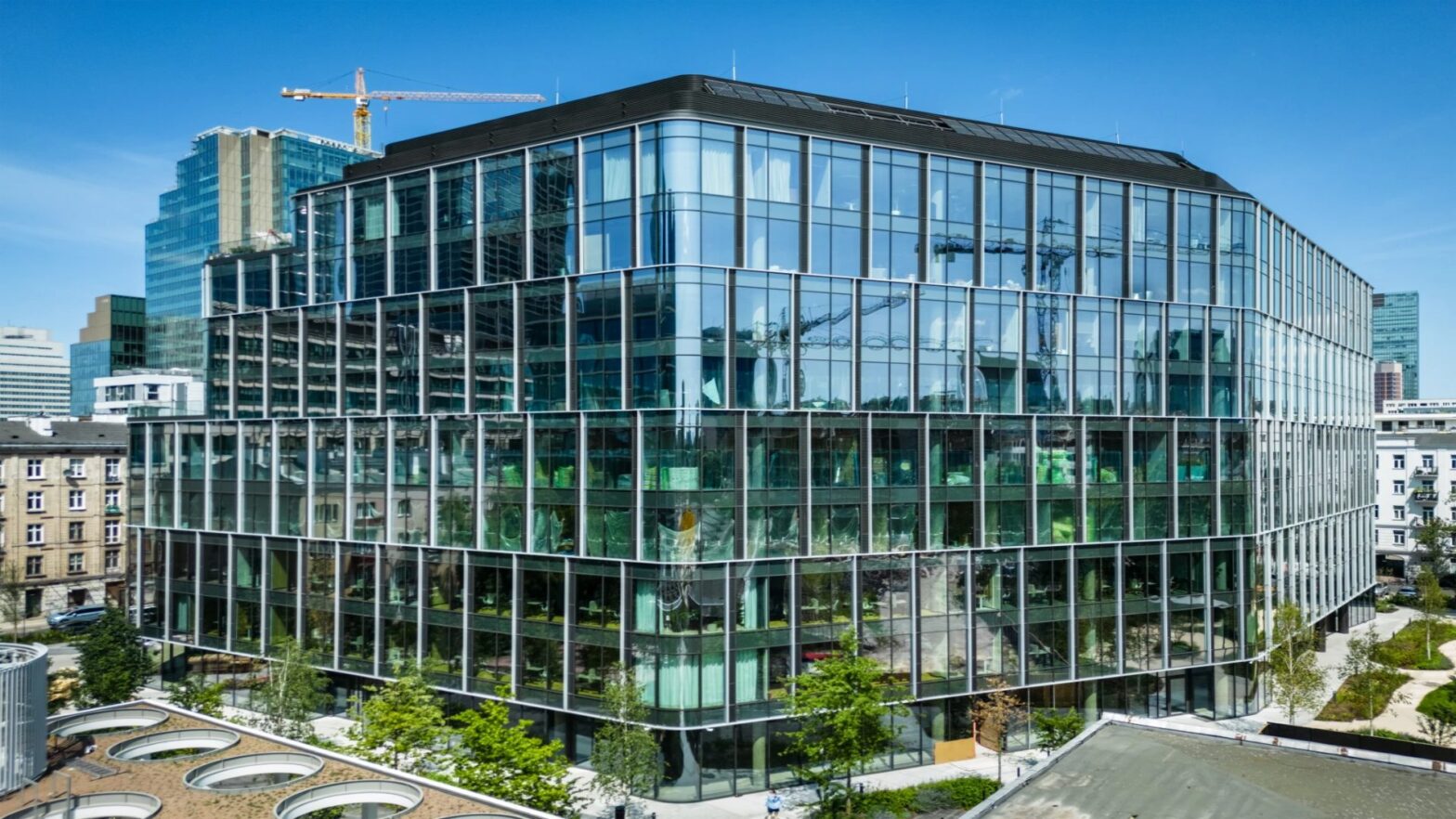
Another noteworthy project is Wellington Place, a mixed-use development that focuses on sustainability. This project includes office spaces, retail units, and public areas designed with green spaces and energy-efficient technologies. The development encourages sustainable commuting options, offering extensive bike storage and electric vehicle charging points.
Wellington Place also emphasizes the importance of community and environmental responsibility. By creating a vibrant, sustainable urban environment, the development attracts businesses and residents who value eco-conscious living. The inclusion of public art and community events further enriches the cultural fabric of Leeds, making Wellington Place not just a place to live and work, but a destination in its own right.
Investing in sustainable property is not just about being eco-friendly; it also offers financial benefits. Here’s how sustainable developments are boosting returns for investors in Leeds. By aligning with global trends and consumer demand, sustainable real estate is proving to be a lucrative investment opportunity.
There is a growing demand for sustainable housing as more people become eco-conscious. Tenants and buyers are willing to pay a premium for properties that align with their values, leading to higher rental yields and property values. This trend is particularly pronounced among younger demographics who prioritize sustainability in their lifestyle choices.
Moreover, businesses are increasingly seeking green office spaces to reflect their commitment to corporate social responsibility. This increased demand for eco-friendly commercial properties contributes to rising property values, making sustainable investments a sound financial strategy for future growth and stability.
Sustainable properties often have lower operating costs due to their energy-efficient designs. Reduced energy consumption leads to lower utility bills, which is attractive to both tenants and investors. The use of renewable energy sources further contributes to cost savings, making these properties financially appealing.
In addition to energy savings, sustainable buildings often require less maintenance due to durable, high-quality materials. This further reduces operational expenses, enhancing the overall return on investment. As energy prices continue to rise, the financial benefits of sustainable properties are likely to become even more pronounced.
Investors in sustainable real estate can benefit from various government incentives, such as tax breaks and grants, which can improve the overall return on investment. These incentives are designed to encourage sustainable development and make eco-friendly projects more financially viable.
By taking advantage of these benefits, investors can reduce initial costs and increase profitability. Government support for sustainability is expected to grow, providing ongoing opportunities for those investing in green real estate. This alignment with policy initiatives also helps mitigate regulatory risks, ensuring long-term stability.
Eco-conscious investing is not just a trend; it’s becoming a crucial consideration for investors. By focusing on sustainable developments, investors are not only contributing to environmental preservation but are also aligning with market trends that favor sustainability. This dual focus on ethics and economics is reshaping the investment landscape.
Sustainable properties are likely to hold their value better over time. As regulations become stricter and consumer preferences shift towards green living, properties that meet sustainability criteria will remain competitive. This long-term value retention makes sustainable real estate an attractive option for investors seeking stable returns.
Additionally, sustainable properties often experience less volatility in market downturns, as demand for eco-friendly living and working environments remains steady. This resilience further underscores the importance of integrating sustainability into real estate portfolios for enduring success.
Investing in sustainable real estate contributes to a healthier planet. It supports the transition to a low-carbon economy and promotes sustainable living practices. By choosing eco-friendly investments, investors play a part in reducing environmental degradation and fostering a more sustainable future.
Beyond environmental benefits, sustainable investments also promote social responsibility and community well-being. By creating spaces that enhance quality of life and reduce ecological impact, investors help build a more equitable and sustainable society, making a lasting positive impact on future generations.
Looking ahead to 2030, sustainable property investment in Leeds is expected to grow. As awareness of environmental issues increases, the demand for sustainable real estate will likely continue to rise, offering new opportunities for investors.
Technology will play a significant role in shaping the future of sustainable real estate. Innovations in building materials, energy systems, and smart home technologies will further enhance the sustainability of properties. The integration of artificial intelligence and the Internet of Things (IoT) will enable smarter, more efficient building management.
These advancements will not only improve energy efficiency but also enhance occupant comfort and convenience. As technology continues to evolve, sustainable properties will become increasingly sophisticated, offering even greater environmental and financial benefits.
As Leeds continues to expand its green initiatives, more sustainable developments will emerge. This will create additional opportunities for investors to participate in eco-friendly projects. The city’s commitment to sustainability is expected to attract further investment and innovation, solidifying its position as a leader in green real estate.
With ongoing support from local government and the community, Leeds is poised to become a model city for sustainable urban development. Investors who recognize and capitalize on these opportunities will likely see significant returns as the demand for sustainable living spaces continues to grow.
Sustainable property investment in Leeds is not only a smart financial decision but also an ethical one. By investing in eco-friendly real estate, you’re supporting a movement towards a more sustainable future while potentially enjoying attractive returns. The synergy between economic viability and environmental responsibility makes this investment strategy both rewarding and impactful.
As Leeds continues to grow as a hub for sustainable development, now is the perfect time for investors to consider their options in this thriving market. Whether you’re a seasoned investor or just starting, sustainable real estate offers a promising path to future success. By aligning with global trends and consumer demand, investors can contribute to a more sustainable world while securing their financial future.
Frequently Asked Questions
Question: Why is Leeds a compelling location for sustainable property investment? Short answer: Leeds combines strong local policy support with solid economic fundamentals and real-world green exemplars. The city offers tax incentives and grants for eco-friendly projects, a growing population and business base, robust infrastructure and connectivity, and rising tenant and corporate demand for sustainable spaces. Flagship schemes like the Climate Innovation District and Wellington Place signal proven delivery and help anchor market confidence, making Leeds a standout UK hub for green real estate through 2030.
Question: How do green developments translate into stronger returns up to 2030? Short answer: Sustainable properties can command rental and sales premiums due to rising eco-conscious demand, while their energy-efficient designs and durable materials reduce operating and maintenance costs. Government incentives further improve project viability and upfront economics. These assets also tend to retain value better as regulations tighten and preferences shift, showing resilience and lower volatility in downturns—together supporting attractive, durable returns.
Question: Which Leeds projects best illustrate the city’s sustainable push, and what do they offer? Short answer: The Climate Innovation District showcases energy-efficient homes built with sustainable materials and equipped with renewables like solar and heat recovery, alongside community-focused shared spaces, green areas, and biodiversity features. Wellington Place is a mixed-use scheme with energy-efficient offices and retail, extensive bike storage, EV charging, green public realms, and cultural programming—promoting sustainable commuting, community engagement, and business alignment with CSR goals.
Question: What incentives and policies can investors leverage in Leeds? Short answer: Leeds supports green development with tax incentives for sustainable building and grants for eco-friendly renovations. These measures lower initial costs, enhance project feasibility, and improve overall ROI. Aligning with the city’s sustainability agenda also helps mitigate regulatory risk and positions assets for ongoing policy support as government backing for green initiatives expands.
Question: What role will technology play in boosting sustainable property performance by 2030? Short answer: Advances in materials, renewable energy systems, and smart technologies—including AI and IoT—will enable more efficient, data-driven building management. Expect lower energy use, improved comfort and air quality, and smarter operations that cut costs and enhance tenant appeal. As these innovations mature, they should amplify both environmental impact and financial returns for Leeds’s sustainable assets.