






















How to pick up on what your surveyors might’ve missed
So, you’re buying a house. As every homeowner knows, the process can be one of the longest and most arduous – and they rarely go smoothly as hoped. Even if you’ve found the perfect home, in the perfect neighbourhood, there’s a chance you’ll find a little detail in the paperwork that sets you back a couple of months.
Cautionary steps like a homebuyer’s survey, as well as local searches, do help give peace of mind that you’re investing your money safely and securely – but that doesn’t always tell the full story.
Knowing how to spot the little-known warning signs that appear during your surveys could mean saving thousands of pounds – and a serious headache. Josh Jinks, Tile Adhesive Product Manager at UltraTile, knows a thing or two about dealing with damp, and he’s outlined five of the biggest red flags to watch out for during the homebuying process.
Structural movement / subsidence
Structural movement refers to the shifting or settling of a building’s foundations or structural elements – and it’s one of the biggest headaches a homeowner can face. Subsidence means huge repair costs, insurance and mortgage difficulties, and it has a big impact on your home’s resale value.
“Structural movement can easily be missed by surveyors, particularly if they’ve been patched up previously. Hairline cracks are often dismissed as harmless, but these can easily lead to significant damage,” says Jinks.
“Some key points to watch out for are: cracks widening over time, doors and windows that stick out and are uneven, and bouncy or sagging floorboards. If a survey even mentions movement or cracking, save yourself the stress and book a specialist structural engineer’s report!”
Damp with hidden timber rot
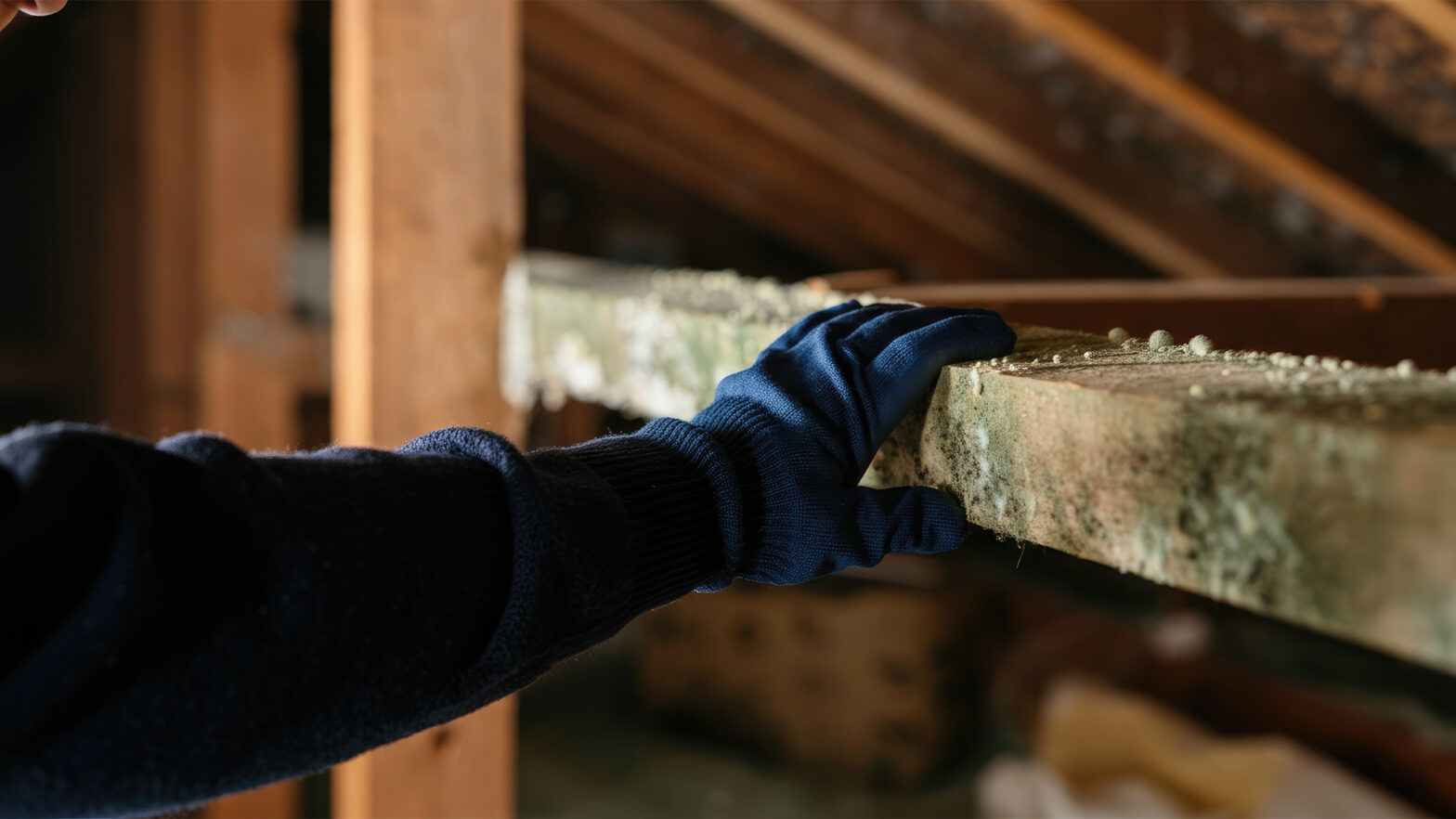
We all know that damp can be a serious issue – and once it’s set in, it can be hard to fully eliminate. However, if your damp is severe enough to mean timber rot, you’re in big trouble.
“Joists and beams that have been affected by rot lose their ability to bear loads,” says Jinks, “meaning that, if enough timber has decayed, you could see your floors and ceilings sag and collapse. It’s not only timber that can be affected, either – plaster, insulation and flooring all face the same issues.
“Damp meters can give low or misleading readings if the area in question has been recently decorated or covered up by the previous homeowner. Floors feeling bouncy underfoot, especially near external walls, can be a giveaway, but also look out for black mould on skirting boards or lower walls, as well as bubbling, flaking or discoloured paint.”
Faulty roofing
If issues with your roof necessitate a full roof replacement, you’re likely looking at around £7,000 to replace, according to Checkatrade. Roof issues might not be instantly visible, but picking up on a few telltale signs can help make sure your survey is covering all the bases.
“If you see any of these phrasings in your survey, that’s normally enough to set the alarm bells off,” Jinks says. “Always look out for phrases like ‘Roof covering aged,’ ‘undulations or sagging observed,’ or ‘evidence of patch repairs and slipping tiles.’ These won’t always demand a full roof replacement, but definitely merit paying close attention to your roof.
“Water ingress is the big problem to worry about – even if water isn’t dripping into your living room, it could be pooling behind your walls, leading to hidden timber rot as well. If you don’t use the loft regularly, this can easily get out of hand, while dislodged tiles falling can prove a real safety hazard down below.”
Dated or faulty electrics
Dated or faulty electrics are another common problem for homeowners that is often missed until after the purchase has been completed. If your dream home is 30 years old or more, then be sure to take a close look at the condition of wiring, sockets, switches and fuse boxes.
“Always ask the seller for an EICR (Electrical Installation Condition Report) from within five years as most homebuyer surveys only carry out a visual inspection of your electrics,” says Jinks, “Often, old fuse boxes still technically work, which is why these issues can fly under the radar. Some homeowners find that surveys only mention that the installation “looks dated” or “lacks RCD protection” – when really, a full rewire is needed.
“The other issue is that new homebuyers only realise the condition of their electrics when it comes to replacing some of their appliances. An electrician might refuse to replace your oven or sockets if your electrics are really outdated – and that could mean an invasive rewire.”
Invasive weeds
By now, you’ve no doubt heard some of the horror stories about Japanese Knotweed and other similar species like Giant Hogweed and Himalayan Balsam. Capable of penetrating building foundations, tarmac, patios, drains and brickwork, this plant is notoriously difficult and expensive to eliminate.
“Japanese Knotweed can be dormant or even invisible in winter, especially below ground – meaning many surveyors don’t spot it unless it’s growing,” explains Jinks. “This plant is such a nuisance that your neighbours can actually bring a civil claim against you if it grows from your garden into theirs!
“If the buyer is aware of Japanese Knotweed at the property, they legally have to disclose it in the TA6 Property Information Form as part of the conveyancing. If they don’t, you have grounds to sue later. However, in an ideal world, you don’t have to deal with the nuisance at all!
“Keep a watchful eye in the garden for red or purple shoots in spring, with bamboo-like hollow green stems. They have large heart-shaped leaves in dense clusters and white plume-like flowers in late summer. You might also see cracked patio paths, decking or tarmac nearby.”
Now you know what to look out for, picking up on these warning signs will make all the difference in your house hunting. Good luck in finding your dream home!