
















Perfecting a Chicken Coop: Your Guide on Providing Comfort and Safety to Your Flock
Commencing any chicken keeping operation will definitely prove to be a worthy and a rewarding venture. But the main consideration at any successful chicken-keeping operation will be the safety and comfort of your flock. A properly functioning chicken coop will not only shelter your flock from the elements and any predators but will also promote calm laying and decrease murder among your birds. All chicken keepers, regardless of their levels of experience, will benefit from an understanding of how to properly design a chicken coop.
Fundamental Needs of Your Flock
There are important essentials your Flock needs and these are important considerations for planning your chicken coop. Your chickens should also have enough space to move about freely. A safe area to roost at night is key, as are nesting boxes for laying, and also good cross ventilation and ergonomics in the coop. A coop with highly stressed chickens is a breeding ground for disease, and will also result in more poor eggs being produced. The balanced happy and healthy environment will require the following minimum spacing for each bird: indoors 2 to 3 sq, ft, and outdoors 8 to 10 sq. ft.
Selecting a Coop Site
When selecting a location for your coop, the main priorities should be the safety, shelter, and well-being of your chickens. Ensure the site is well-drained and free of standing water around the coop. It is also not advisable to put the coop in a low-lying area which will be damp and moisture-retentive. This type of stagnant area lacking ventilation will put your chickens at a greater risk of severe respiratory issues. Situations with limited shade- especially in summer- and optimal cross ventilation for ample air movement year-round are best. Also, for your daily chores, pick a position that is close for easy access to feed, clean, and collect eggs.
Ensuring Your Chickens Are Properly Secured and Ensured Comfort
Coops must provide functionality, security, and comfort. Coops must provide functionality, security, and comfort. In coop construction, robust and durable materials like treated wood and galvanized wire mesh should be incorporated as well. Strong bolts on doors and windows will keep predators out. Cleaning of the straw and wood shavings used as bedding is also necessary. Along with the roosting bars and nesting boxes, chickens also need a perch to rest on at night.
Coop insulation for extreme outer conditions will aid in temperature control. As ventilation is vital to mitigate the risk of ammonia buildup in droppings, ammonia buildup in chicken droppings will be resolved with an ample ventilation system.
The Role of a Properly Constructed Chicken Coop
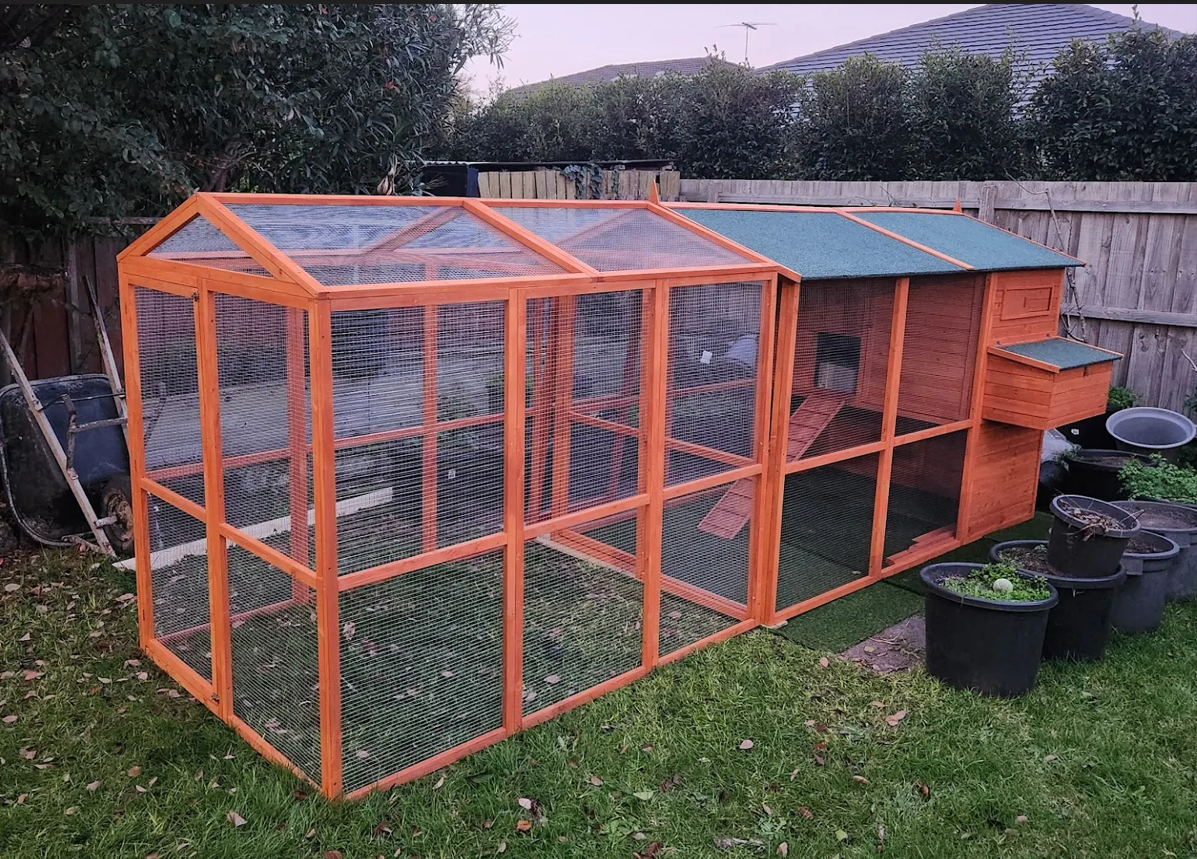
The importance of a chicken coop spans beyond just building a simple shelter. On the contrary, a chicken coop should be neat, secure, and dry in all its aspects and should also assist in disease control maintenance. Reduction of stress is another element of production, and proper coop facilities will help eliminate stress. A chicken’s environment will influence and determine their behavior, and a secure coop will increase activity and help decrease problems, such as feather pecking. For many owners, choosing a portable chicken coop for backyard spaces is an easy way to create a safe environment that can be moved to fresh ground as needed. The coop also determines the ease of maintenance and cleaning. When waste trays are removable and the floor is configured for easy waste removal, cleaning becomes much simpler.’ The coop also determines the ease of maintenance and cleaning. When waste trays are removable and the floor is configured for easy waste removal, cleaning becomes much simpler. The nature of a coop impacts the effect, productivity, quantity, and quality of eggs produced. This is also influenced by the mental state of the birds themselves.
Management of your coop for longevity and sustainability
Chicken coop construction goes with any necessary steps towards sustainability. For a healthy coop, your first line of action is cleaning, which, in fact, is simple to the point of becoming a sort of positive ritual. It is also important to implement periodic maintenance which includes identifying potential issues before they escalate.
Modern chicken coops and sustainable practices
Sustainable poultry trendsetters are embracing more innovative chicken coop designs. To sustain operational efficiency, practices also focus on reducing, sustaining, recycling, and natural insulation of the coop, which subsequently minimizes resource use.
Then, the use of automated systems for feeding, solar energy for lighting, and rainwater collection systems helps maintain resources. These additions also improve convenience for the caretaker and the well-being of the flock through the constant provision of light, food, and water shifted in quality and quantity.
Closing Thoughts
Perfection in building the chicken coop will necessitate time, quality materials, and a considered strategy. The flock deserves a healthy environment to rest, an area free from predator control, and safety from severe weather conditions. The importance of a coop is the complete retrofit of a poultry setup and the foundation of a successful backyard farm. Designing, maintaining, and building for sustainability will allow the rest of the chickens in the flock to be competitive and thrive for many more years.