











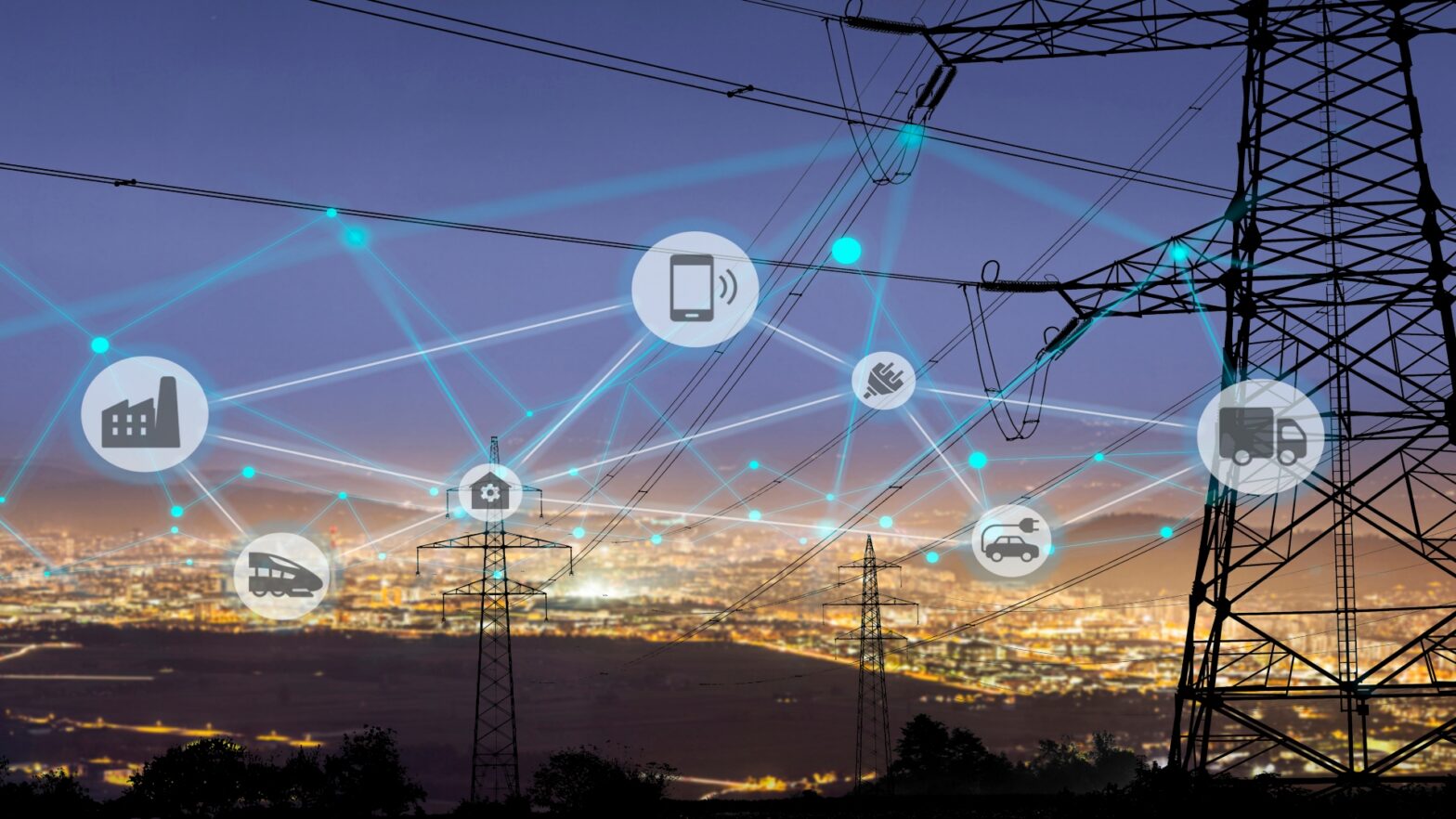











Materials and technologies for the energy systems of the future
One of the most important undertakings in energy systems is building the next-generation energy infrastructure. While this is very important, the primary challenge lies in creating systems and developing technologies that meet the growing energy demands while aligning with environmental goals. Here are the main challenges and their solutions.
Challenges for building the next-generation energy systems of the future
Costs and regulatory uncertainty
Building the next-generation energy infrastructure involves adopting cutting-edge technologies, such as real-time monitoring systems and innovative grid solutions with high-capacity energy storage. You also need to upgrade transmission lines and make other improvements to ensure reliable integration. While all these challenges require a significant investment, they all contribute towards supporting renewable energy.
Outdated infrastructure and compatibility challenges
There are also challenges associated with using outdated infrastructure, such as old cable lines, among others. To overcome this challenge, it’s essential to evaluate the current infrastructure and assess key components, including switchgear, electrical transformers, and distribution lines.
It’s also essential to develop and use sustainable cable materials engineered to deliver high performance while improving recyclability and supporting broader goals, such as decarbonization and circular economy practices.
Compatibility with existing systems also poses difficulties. Many traditional power plants were built far from urban centers, requiring long-distance power lines and transformers that may not be suitable for fuel-based power plants. Therefore, for proper integration of renewable energy, new systems that enable the transportation of energy to consumers must be installed to boost sustainability.
Storage and renewable energy limitations
A widespread limitation in current power systems is the lack of advanced storage options. Without effective storage, excess energy—especially from intermittent sources like solar and wind—cannot be retained for later use. Incorporating technologies such as lithium batteries can enhance grid reliability, making it possible to maintain operations even during outages or severe weather events.
Simultaneously, many power plants still lack integration with renewable energy sources. To overcome this, it’s necessary to select the most appropriate source—be it solar, wind, or another alternative—and pair it with enabling technologies like inverters that convert the energy into usable electricity.
Grid management and transition costs
In many cases, grid management systems are outdated and unable to meet the evolving demands of modern energy networks. Implementing real-time monitoring tools and intelligent control systems is essential to balance supply and demand effectively, especially as the proportion of renewable energy increases.
Transitioning from fossil-based infrastructure also involves substantial economic and logistical challenges. Companies risk losing large investments in existing coal and gas assets. However, upgrading these systems can reduce energy consumption and improve grid stability—provided the transformation is supported by careful planning and adequate funding.
Environmental and Regulatory Considerations
The expansion of renewable infrastructure often requires large land areas, which can impact biodiversity and local communities. Public opposition to the construction of wind turbines or transmission lines can delay or prevent projects. To navigate these obstacles, it’s essential to follow regulations and work closely with local authorities to minimize environmental and social disruption.
In addition, policy and regulatory frameworks play a pivotal role. Unclear incentives, outdated policies, and complex permitting processes can slow progress and discourage innovation. Balancing carbon pricing while protecting low-income communities presents an additional challenge. Policymakers must ensure that regulations are modern, inclusive, and aligned with sustainability goals.
To build the next-generation energy infrastructure, it utilizes innovations and incorporates renewable energy. It’s also important to remain transparent and adapt to the evolving rules that accompany technological advancements.