






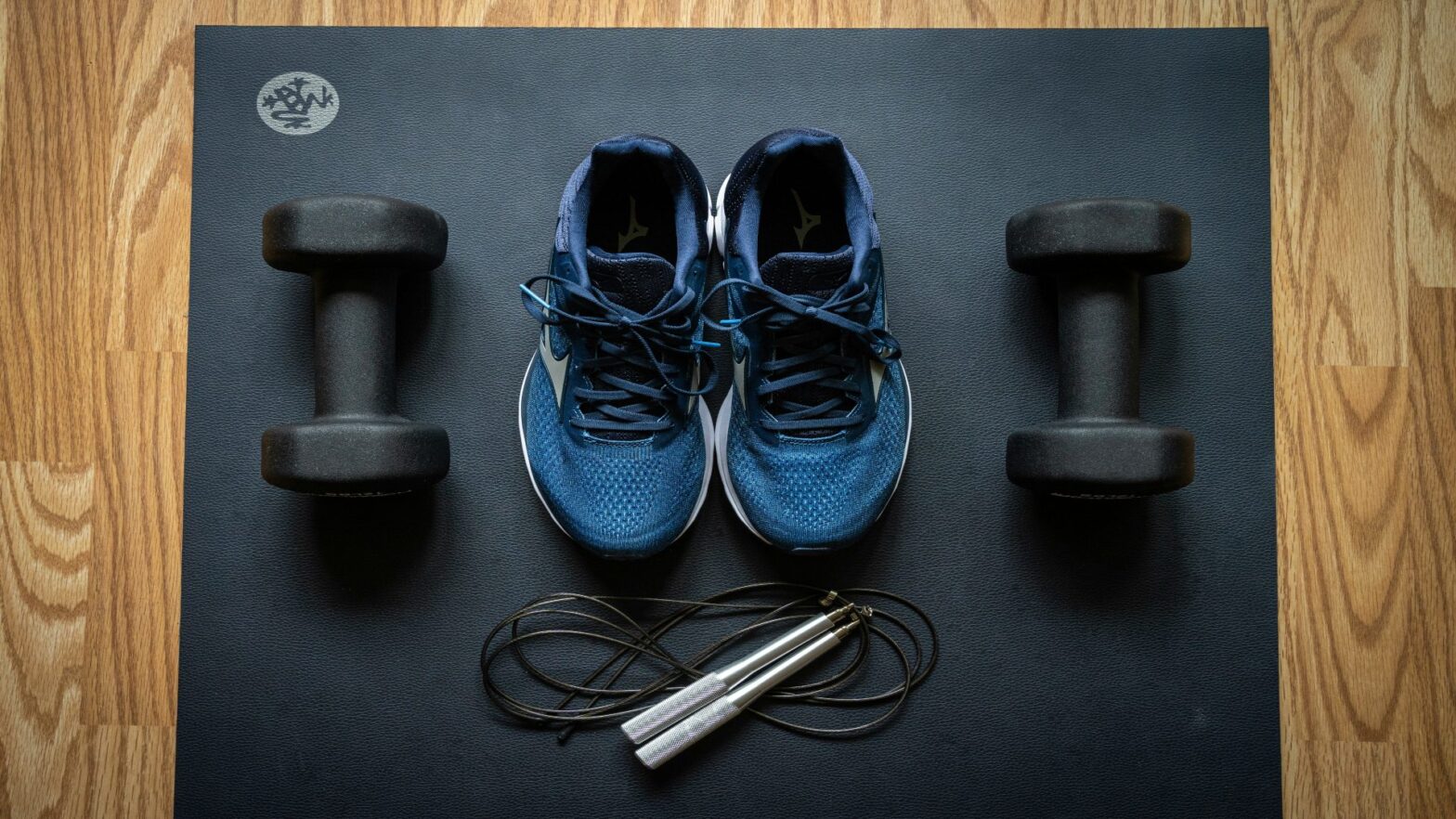











Creating a home gym offers the ultimate convenience, no commutes, no waiting for equipment, and no monthly membership fees. It’s a personal space dedicated to fitness, motivation, and wellness, tailored exactly to your needs and preferences. Whether you’re an athlete training at a high level or someone looking to stay active at home, thoughtful planning makes all the difference.
Building a home gym is more than assembling a few pieces of equipment; it’s about designing an environment that supports consistency, safety, and enjoyment. By focusing on functionality, layout, and atmosphere, you can build a space that turns every workout into a productive experience.
Designing a Functional and Durable Space
Before purchasing equipment or adding décor, start with the basics, your space itself. Location, flooring, lighting, and ventilation play crucial roles in determining how comfortable and efficient your workouts will be.
If possible, choose a dedicated area such as a spare room, garage, or basement. A separate space helps maintain focus and keeps fitness activities from interfering with daily life. Measure the dimensions carefully to determine what equipment will fit comfortably. Remember to allow enough clearance around machines or weights for safe movement and stretching.
One of the most overlooked yet important elements of any gym setup is the flooring. The right floor can protect your equipment, reduce noise, and prevent injuries. Rubber flooring is a popular choice because it’s shock-absorbent and easy to clean. For an even more durable and long-lasting solution, some homeowners opt for polyurea coatings, which provide superior impact resistance and a seamless finish ideal for heavy-use environments. These coatings are moisture-resistant, making them particularly beneficial for garage or basement gyms that may experience humidity. Investing in proper flooring ensures your gym remains both safe and visually appealing for years to come.
Choosing the Right Equipment for Your Goals
Selecting equipment tailored to your fitness objectives keeps your workouts efficient and focused. Start by defining what you want to achieve: strength training, cardiovascular fitness, flexibility, or a mix of all three.
For strength training, basic essentials include adjustable dumbbells, a sturdy bench, resistance bands, and a squat rack or power cage. If you have more space, adding a barbell and plate set allows for progressive overload and a wider variety of exercises.
Cardio enthusiasts can choose from treadmills, stationary bikes, or rowing machines. Compact alternatives like jump ropes or step platforms offer effective aerobic workouts without taking up much room. For flexibility and recovery, yoga mats, foam rollers, and stretching straps are invaluable additions.
Prioritize quality over quantity. A few reliable, well-built pieces of equipment will outperform a cluttered collection of cheap items. Space-saving designs, such as foldable benches or wall-mounted racks, help keep your gym organized and functional.
Organizing for Efficiency and Safety
A well-organized gym enhances safety and encourages consistent use. Cluttered spaces look uninviting and increase the risk of tripping or damaging equipment. Install shelves or storage racks for weights, resistance bands, and accessories. Wall hooks are ideal for hanging jump ropes or towels, while labeled bins can keep smaller items tidy.
Creating distinct workout zones can improve flow and usability. For instance, you might have one area dedicated to strength training, another for cardio, and a smaller space for stretching or yoga. This structure mirrors the functionality of professional gyms while maximizing your available space.
Safety should always be a priority. Make sure your equipment is stable and positioned on even surfaces. Regularly inspect bolts, cables, and padding for signs of wear. Installing mirrors can help you monitor your form and reduce injury risks while making the space feel larger and brighter.
Enhancing the Atmosphere for Motivation
Your gym should be a place that inspires action and consistency. The atmosphere you create can have a powerful impact on motivation and focus. Start by choosing colors and décor that energize you. Bright hues like red or orange stimulate energy, while cool tones like blue and gray evoke calmness and concentration.
Adding motivational elements, such as framed quotes, vision boards, or progress charts, keeps your goals top of mind. Music is another major motivator. Consider installing Bluetooth speakers or a sound system that lets you control playlists easily. The right music can elevate mood and endurance during challenging sessions.
Temperature control contributes to comfort as well. If your gym is located in a garage or basement, a space heater or air conditioner may be necessary to maintain consistent temperatures year-round. A comfortable environment increases the likelihood that you’ll stick with your fitness routine long-term.
Integrating Technology for Smarter Training
Modern fitness technology makes it easier to track progress and stay accountable. Smart equipment, such as connected treadmills and stationary bikes, can sync with fitness apps to monitor distance, calories burned, and heart rate. These insights help you evaluate performance and set realistic goals.
Wearable devices like smartwatches or fitness trackers are excellent for monitoring activity levels and recovery. Many provide valuable data on sleep, heart rate variability, and daily movement patterns, giving a comprehensive view of your health.
Keeping Maintenance Simple and Sustainable
A successful home gym is easy to maintain. Regular cleaning prevents equipment wear and maintains hygiene in high-use areas. Wipe down machines, mats, and weights after each session to remove sweat and bacteria. For flooring, if you’ve invested in specialized coatings or mats, use gentle cleaners recommended by the manufacturer to preserve longevity.
Routine maintenance extends beyond cleaning. Check equipment for loose parts or frayed cables to prevent accidents. Lubricate moving parts like treadmill belts or adjustable benches according to manufacturer guidelines. Investing a few minutes each week in upkeep can prevent costly repairs down the road.
Adapting Your Space
As your fitness journey evolves, so will your gym needs. The flexibility to adapt your space ensures it continues to serve your goals effectively. You might start with minimal equipment and later expand to include new tools or machines as your interests and abilities grow.
Modular setups, like adjustable racks or convertible benches, make it easier to transition between training styles. Periodically reassessing your layout helps identify areas for improvement, such as better storage, additional lighting, or updated décor.
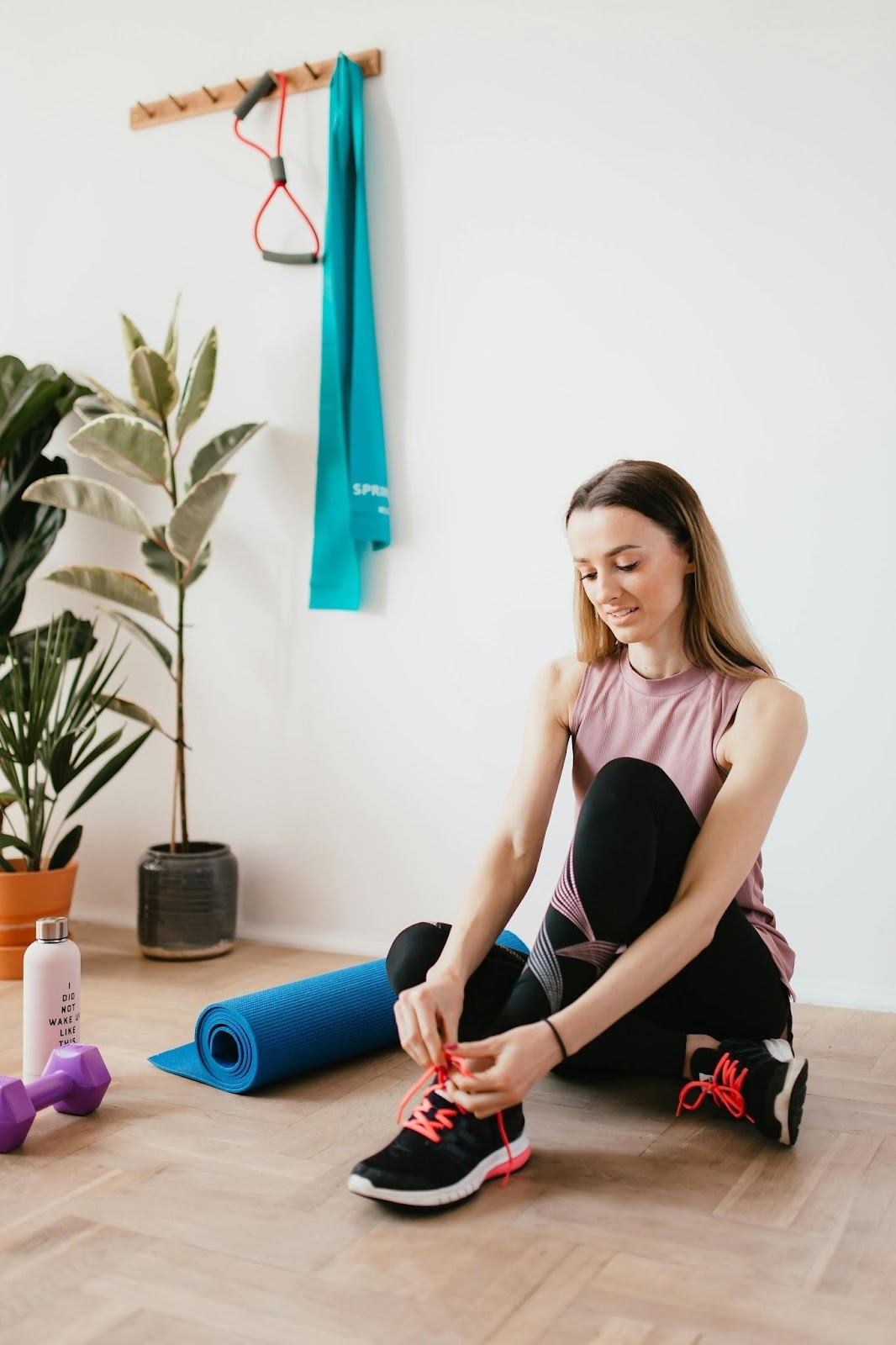
A well-designed gym transforms more than your body, it enhances discipline, focus, and well-being. Whether you’re lifting weights, stretching after a long day, or powering through a morning run, your personal fitness space will stand as a testament to your commitment to living strong, balanced, and healthy.