






















Summer has officially started, with the UK recording a third heatwave and temperatures soaring to a scorching 35.8 degrees in some parts of the country. However, it’s not all suntans and beach trips – with increased temperatures comes the potential for more air pollution, allergens and toxins.
The worrying news is that a high number of these toxins can actually be found within your home – and even within the sanctuary of your bedroom! A recent study by the University of Birmingham found that particulate matter (PM) was actually worse inside a house than the variable outdoor levels.
The air inside one home was so bad it even exceeded the World Health Organisation’s 24-hour PM limit on nine days! So, what items within our homes are causing these toxic conditions – and what can we do about it?
The Sliding Door Wardrobe Company, quality purveyor of fitted wardrobes in Newcastle upon Tyne and the North East, identify five of the worst toxins that could be hiding in your bedroom!
1. Your old mattress
Had the same mattress for longer than you would care to admit? Every time you sleep on it, your mattress accumulates gross gunk – think sweat, saliva, dead skin, bacteria and more. So, if you’ve had your mattress for 10 years or more, that’s a decade’s worth of germs lurking just below your bed sheets! Sounds like it’s time for a mattress upgrade.
However, make sure you give your new mattress the time and space to air properly before popping it on your bed. Brand-new mattresses can release toxic gases into your bedroom via a process called ‘off-gassing’. Your body heat can cause your mattress to release Volatile Organic Compounds (VOCs) – nasty chemicals, like formaldehyde – that could cause headaches, dizziness and other health risks.
2. Rising pollen levels
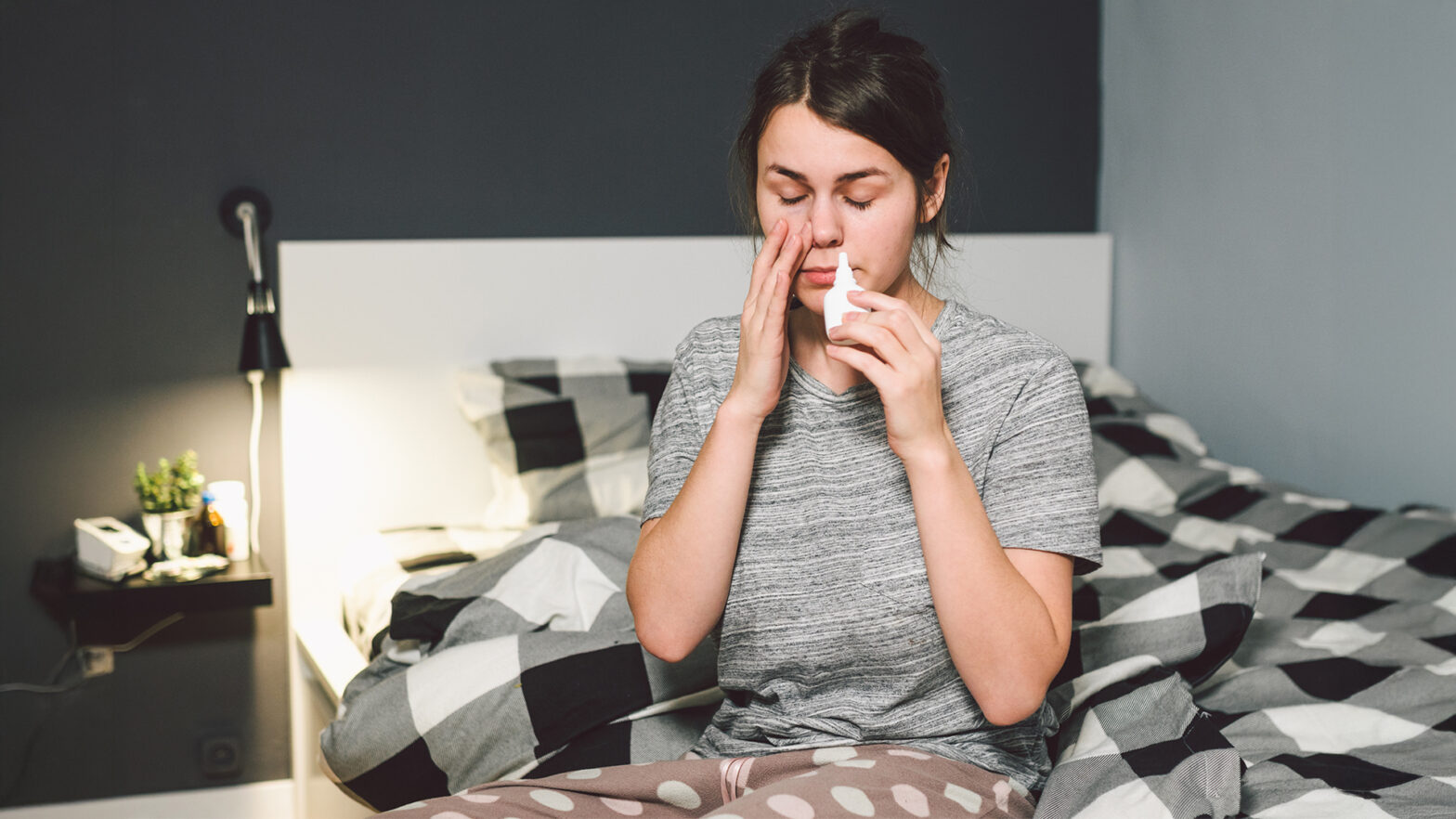
Pollen levels are already very high in the UK, and the continued hot weather looks set to send them soaring even higher. Hay fever sufferers will be all too aware of the runny nose, sneezing and sore, itchy eyes that start with the onset of summer – and when pollen gets trapped inside your bedroom, these symptoms only worsen, causing disrupted sleep.
If you’re one of the 13 million people in the UK affected by hay fever, keep your windows closed during peak pollen periods, change your clothes when you come inside and wear sunglasses to protect your eyes.
Avoid the temptation to open your windows on an evening, as the pollen count can actually be higher at night. Instead, cool your bedroom down with an electric fan and filter out any nasties with an air purifier.
3. That pesky mould
A recent report from the Centre for Ageing Better reveals that six million UK homes have damp or mould problems. This statistic becomes even more shocking when you realise that more homes have mould than they do large screen TVs.
60% of us will have experienced mould issues in our homes at some point, with 22% affected developing related health issues. Small amounts of mould can cause allergic reactions or a skin rash, while elevated mould levels can lead to difficulties breathing, asthma attacks and even lung infections – especially if it’s in your bedroom and you’re breathing in the spores all night.
In the majority of cases, you should be able to keep mould at bay by increasing air flow in your home, tackling damp before it takes hold and wiping away mould when it first begins to appear. However, if you are concerned about the levels of mould in your home – or if you have black mould – you should always speak to a professional.
4. Toxic VOCs
VOCs are released by more than just your mattress – a number of common household items can give off these toxic gases. Thankfully, many of them only produce small amounts of VOCs – but those with underlying health conditions, the very young, and the elderly should still be cautious.
Air fresheners are a common culprit, as are paints and varnishes, along with some cleaning products and even deodorant. If you use these items in your home (and who doesn’t!), ensure you have a good flow of fresh air throughout the house, or use an air purifier.
5. Worrying cooking side effects
Cooking with gas? It might be time to stop. A recent study by Which? indicates that cooking with a gas hob could raise the levels of air pollution inside our homes higher than that found on one of the busiest roads in the UK!
Two of the worst pollutants to be found in the air – nitrogen dioxide and fine particulate matter – were measured inside homes that had gas hobs. The levels of both spiked and then remained high after the hobs were used to cook a meal – when using just one ring, nitrogen dioxide levels within the room more than doubled.
This is especially concerning for those of us who live in studio flats – where the bedroom is in the same room as the kitchen – or smaller homes with less space between the kitchen and bedroom. It’s thought that those spending significant time in the same room as the hob could be breathing in air that is wildly in excess of the safe pollution levels, as set out by the WHO.
If you have a gas hob, make sure you turn your extractor fan on while cooking – and keep it on for a few hours afterwards. You can also open windows to increase air flow, or invest in an air purifier.
Could you have any of these toxins in your home? Remember to protect yourself this summer by keeping mould at bay, increasing air flow and doing what you can to improve the air quality in your home.