

















Install a House Lightning Protection System the Right Way
Every homeowner wants their home to be safe from natural disasters. Protection from lightning strikes is one essential element of home safety. This guide explains how to install and operate a lightning protection system.
Understanding Lightning Protection
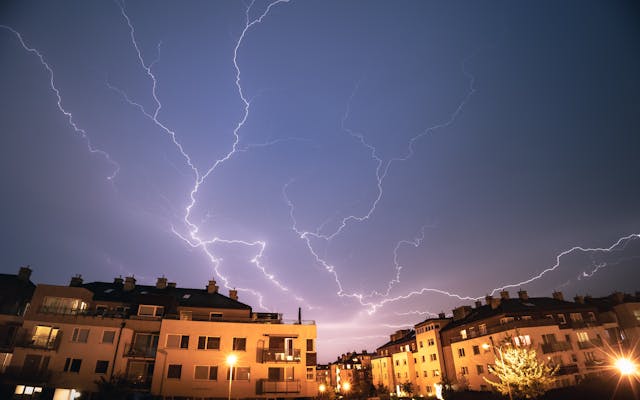
Lightning protection for a house is essential in protecting its structure from electrical surges caused by lightning. These systems safely disperse the energy from a strike into the ground, thus protecting the structure and contents. Lacking that protection, a dwelling may be subject to flames, electrical damage, and even personal injury.
Elements of a Lightning Protection System
A standard lightning protection system contains components like air terminations, conductors, and grounding electrodes. You must place lightning rods called air terminals at high points on the roof. They capture the lightning strike. When the winds blow and the clouds make contact against each other, electrical charges get released, and conductors pull the charge into the ground. The grounding electrodes will then dissipate the energy into the earth, which is harmless. Each piece is fundamentally essential for the whole system to work well.
Selecting the Right Materials
Selecting the right materials is key to a robust design. Good conductive properties play a critical role; therefore, copper and aluminum are preferred materials. Many usually use copper due to its enhanced robustness and conductivity. On the other hand, aluminum is cheaper but will not necessarily last. The selection should depend upon the homeowner’s particular needs and budget.
Installation Process
The success of a protection system largely depends on proper installation. Start by surveying the house’s structure to determine where air terminals are best suited. You should mount them at the high points of a roof, such as chimney points or high points on a ridgeline. These conductors must be attached here to carry the charge down the side of the house to the grounding electrodes. Grounding must be deeply buried in the soil for energy to spread properly.
Hiring a Pro Vs. Doing It Yourself
Some homeowners might consider a do-it-yourself approach, but an experienced professional is always advisable. Professionals have the knowledge and experience to install safe systems and can also complete an evaluation of the gaps and risks. A professionally installed system guarantees peace of mind and reliable, long-term performance.
Maintenance and Inspection
Regular maintenance keeps the system working correctly. Regular inspections should include checking for loose connections, corrosion, or component damage. Experts recommend that professionals perform these inspections at least once a year or immediately following severe weather. Well-planned maintenance helps the system last longer and continue to protect against the elements.
Benefits of Lightning Protection
Installing a lightning protection system has many advantages. It minimizes the possibility of fire and electric injury. If your home is not fortified, you might receive higher homeowner’s insurance premiums. Besides, the system gives the homeowner confidence when leaving the house, knowing their home and family are safe.
Cost Considerations
The cost varies primarily based on the size of the house and the types of materials you select for installation. The upfront cost may seem considerable, but the savings of avoiding damage far exceed the costs. Homeowners need to consider this an investment to bring peace of mind.
Common Misconceptions
Lightning protection systems do not attract lightning but can handle a strike if it ever happens. Some believe that these need to be installed only in a storm-prone area. But in such a situation, safety is valuable because lightning can hit anywhere.
Conclusion
A lightning protection system is a good idea for anyone who owns a home. With a knowledge of the components, careful consideration of materials, and a decision to choose a professional installation, a homeowner can keep their property safe. Combined with regular inspections and maintenance, the system truly provides safety and peace of mind for the long term. It is an investment that you are making to protect your home from hits; it is also an investment you make to protect your loved ones.