





















As temperatures drop and winter weather rolls in, UK roofs face increased pressure from snow, ice, wind and heavy rain. Even minor issues, like loose tiles or small leaks, can worsen rapidly during the colder months, often resulting in costly repairs if left untreated.
Mike Storey, roofing and insulation expert at UKFR Roofing & Insulation, explains: “Winter is the time of year when small roofing problems turn into big ones. Cold weather, high winds, and freeze–thaw cycles put extra strain on roofing materials, and damage that might seem harmless in autumn can escalate quickly. Spotting early warning signs is the best way to avoid a major repair bill.”
Mike shares the key indicators homeowners should look out for:
1. Water stains on ceilings or walls
Discoloured patches inside the home often signal a leak, even if you cannot see external damage.
Mike says, “If you notice yellow or brown marks indoors, it usually means water has already found a way in. Act fast, because moisture trapped in the roofing structure can cause long-term rot and damp.”
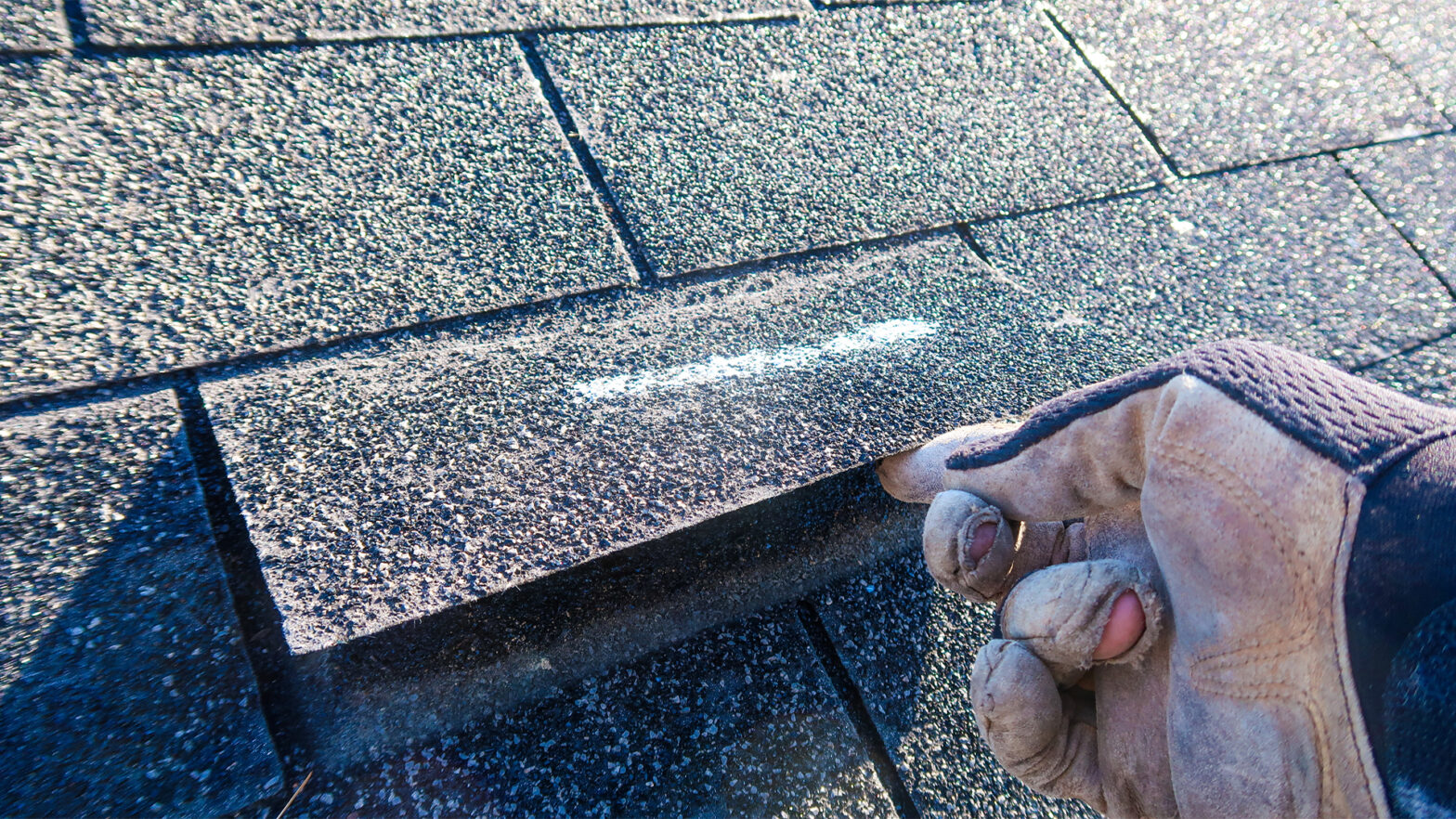
2. Loose, cracked or missing tiles
Even a single damaged tile can allow water to penetrate the roof.
“Strong winds or frost can loosen tiles,” Mike explains. “A quick visual check after storms can catch small issues early.”
3. Sagging or uneven roof areas
Any dip or distortion in the roof’s shape could indicate structural problems.
“A sagging section needs professional attention immediately,” says Mike. “It could point to weakened joists or waterlogged materials.”
4. Blocked or overflowing gutters
Clogged gutters force water back under the roofline.
“Leaves and debris build up quickly in autumn,” Mike adds. “If gutters are overflowing, water is likely going exactly where you don’t want it.”
5. Moss, algae and plant growth
While not always harmful, excessive growth can trap moisture.
Mike says, “If moss is spreading across the surface, moisture may be sitting on the roof for long periods, which can speed up deterioration.”
6. Damp lofts or musty smells
Your attic space can reveal early signs before they appear indoors.
“Check for damp insulation, dark patches, or musty odours,” says Mike. “These are often the first indications of a hidden leak.”
Winter is the peak season for property damage claims, and catching roof issues early is key to preventing major structural problems, mould growth and costly emergency repairs.
Mike concludes: “Homeowners shouldn’t wait until the first storm or snowfall to check for roof damage. A simple inspection now can save thousands in the long run. If something doesn’t look right, speak to a roofing specialist immediately. Acting quickly is always the best defence against winter weather.”
For more information, visit UK Flat Roofing.