




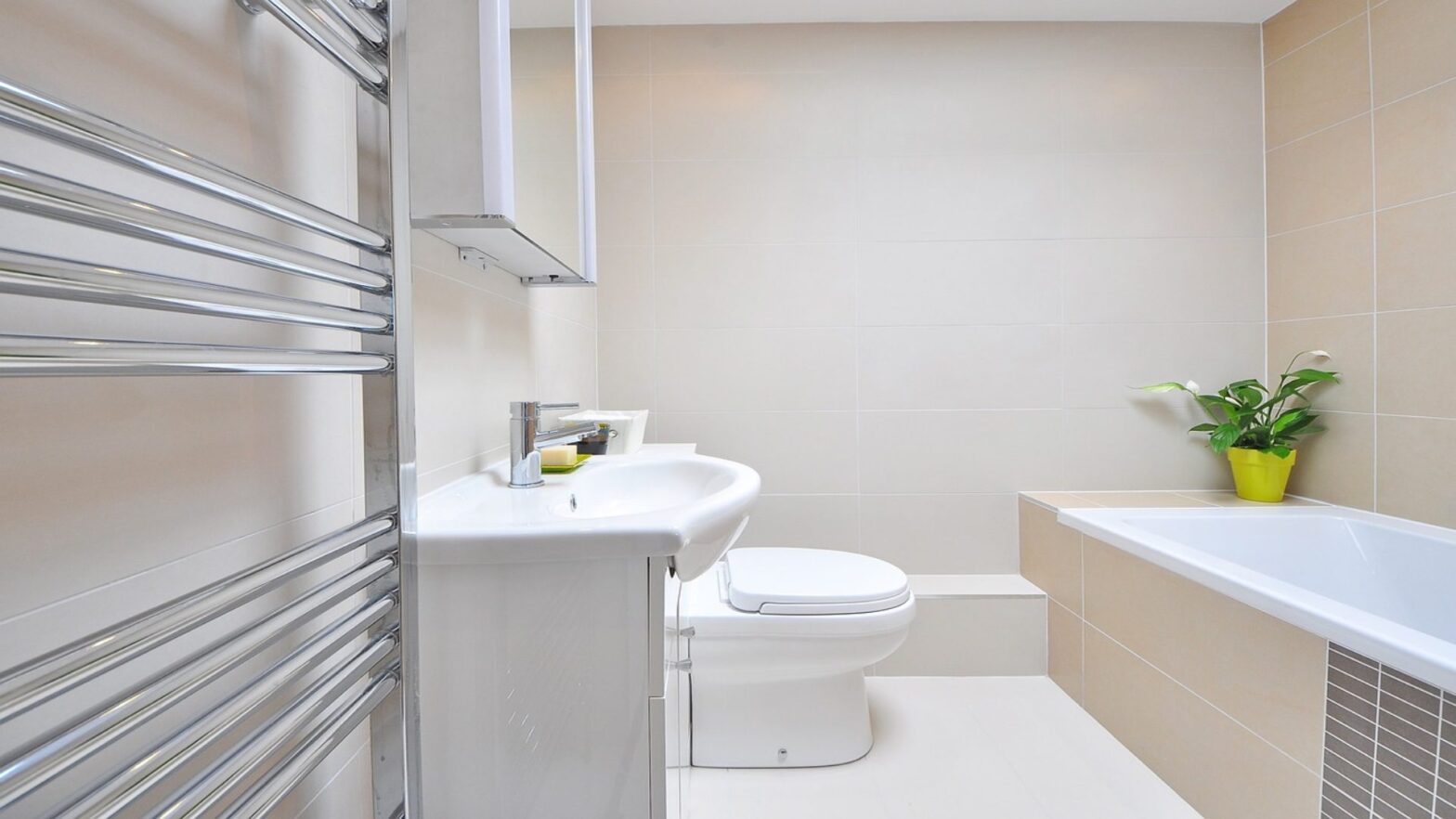











A contemporary hanging bar for fabric can elevate the look and function of any space, from a bathroom or laundry room to a craft studio or dressing area. The right design adds style, improves organization, and ensures fabric items remain wrinkle-free and easy to access. With so many materials, finishes, and installation styles available, it can be challenging to know which option best suits your needs.
Choosing the ideal hanging bar requires a thoughtful balance of aesthetics, practicality, and long-term durability. When you understand what features matter most, you can select a piece that enhances your space while supporting everyday use.
Exploring Material Options and Matching Your Design Style
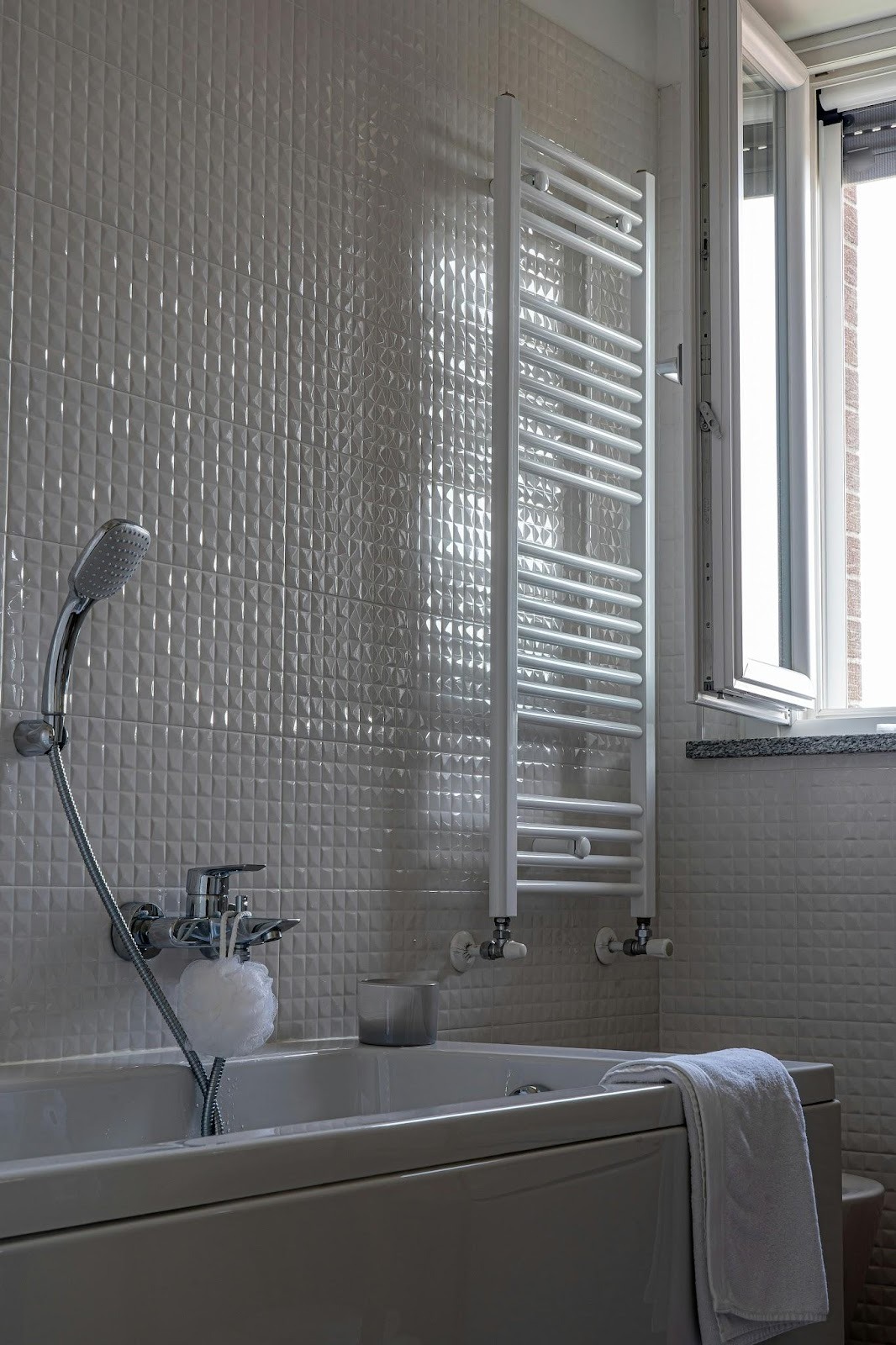
Modern hanging bars come in a wide range of materials, each offering a unique look and level of durability. Stainless steel, brushed nickel, matte black metal, and powder-coated finishes are among the most popular because they complement contemporary interiors. Some homeowners explore options similar to a modern towel rack when researching materials that look clean, minimal, and intentionally sleek. These finishes resist moisture and wear, making them suitable for bathrooms or laundry areas where humidity levels fluctuate.
For a softer, warmer feel, wooden bars add texture and natural appeal. They blend well with Scandinavian, minimalist, or organic design themes. Composite materials or mixed-metal designs offer additional versatility for homeowners seeking a more artistic touch.
Your choice of material should reflect the aesthetic of your space while providing the durability needed for frequent use.
Choosing the Right Size and Load-Bearing Capacity
Before selecting a contemporary hanging bar, it’s important to determine what types of fabric it will hold and how much weight it must support. Lightweight hand towels require less structural strength than heavy blankets, wet garments, or large bolts of fabric.
Measure the available wall or ceiling space to ensure the bar fits without crowding nearby shelves, cabinets, or doorways. Consider the length needed to keep items spaced apart so they dry or hang neatly without touching. If you plan to use the bar in a multipurpose area, choose an adjustable or extendable design that adapts to changing needs.
Load-bearing capacity is equally important. High-quality metal bars typically support more weight, while minimalist or decorative styles may be better suited for lighter fabrics. Selecting a bar with adequate strength ensures long-term reliability and prevents sagging or structural strain.
Evaluating Mounting Styles for Convenience and Stability
Hanging bars come in three primary mounting styles: wall-mounted, ceiling-mounted, and freestanding. Each option offers unique benefits depending on your layout and intended use.
Wall-mounted bars are the most common because they save floor space and support a clean, streamlined look. They work well in bathrooms, closets, hallways, and laundry rooms. Ceiling-mounted bars are ideal for areas with limited wall space or when you want a floating, modern design. These work well for air-drying clothes or hanging textiles that need to suspend freely.
Considering Functionality and Additional Features
A functional hanging bar makes everyday tasks easier. Features such as swivel arms, multiple bars, or sliding attachments add versatility and allow you to organize fabrics more efficiently. These elements support better airflow when hanging items to dry.
Some contemporary designs incorporate shelving, hooks, or storage baskets, providing additional utility without taking up extra room. Others offer space-saving systems that fold against the wall when not in use.
Keeping Maintenance and Ease of Cleaning in Mind
A contemporary hanging bar should be simple to maintain. Smooth finishes like brushed nickel, chrome, or powder-coated metal wipe clean easily and resist fingerprints or smudges. Wooden bars may require periodic sealing or polishing to protect them from moisture and wear.
Consider how often you will need to clean the bar based on where it is installed. Bars located near sinks, showers, or high-traffic areas may accumulate dust or water spots more quickly. Choosing a low-maintenance material keeps the bar looking modern and fresh without much effort.
Ensuring the Bar Complements Your Existing Décor
Harmony between your hanging bar and surrounding décor helps create a cohesive look. Match finishes with nearby hardware such as drawer pulls, faucets, and lighting fixtures.
For minimalist interiors, choose a bar with clean lines and subtle detailing. For industrial or modern spaces, bold geometric shapes or matte black finishes complement the aesthetic effectively. In eclectic or artistic environments, consider mixed materials or unique sculptural designs that make the bar a striking focal point.
Prioritizing Installation Ease for a Hassle-Free Upgrade
A contemporary hanging bar should enhance your space without creating unnecessary installation challenges. Some designs come with user-friendly mounting kits that include templates, screws, and detailed instructions. These options help homeowners achieve clean, precise placement without professional assistance.
If you prefer a more complex or heavy-duty style, consider whether professional installation is worth the added stability and long-term reliability. Heavier bars often require securing into studs or ceiling joists, which ensures safe use for heavier fabric items.
Choosing a bar with straightforward installation reduces setup time and allows you to enjoy the upgrade sooner. The simpler the mounting process, the more likely the bar will remain securely in place over time.
Considering Room Layout and Traffic Flow
Placement is just as important as design when selecting a hanging bar. Bars positioned too close to entryways or cabinets can interfere with movement and make daily tasks inconvenient. Assess how people use the space to ensure the bar does not obstruct walking paths or create awkward angles.
Think about how the bar will function in relation to other elements in the room. In laundry areas, for instance, placing the bar near the washer and dryer supports efficient workflow. In bathrooms, positioning it near the shower or vanity improves ease of use.
A well-placed hanging bar enhances the room without feeling intrusive, balancing practicality with visual appeal.
Choosing Finishes That Stand the Test of Time
Beyond initial appearance, consider how well the finish will hold up to moisture, sunlight, and everyday wear. Brushed and matte finishes hide fingerprints and minor scratches better than glossy surfaces, making them ideal for busy households. Powder-coated bars resist chipping and rust, offering consistent performance in humid environments.
For wooden bars, look for finishes that include sealants or protective oils. These coatings help prevent cracking, fading, and moisture absorption. Regular maintenance keeps natural materials looking fresh while preserving their structural integrity.
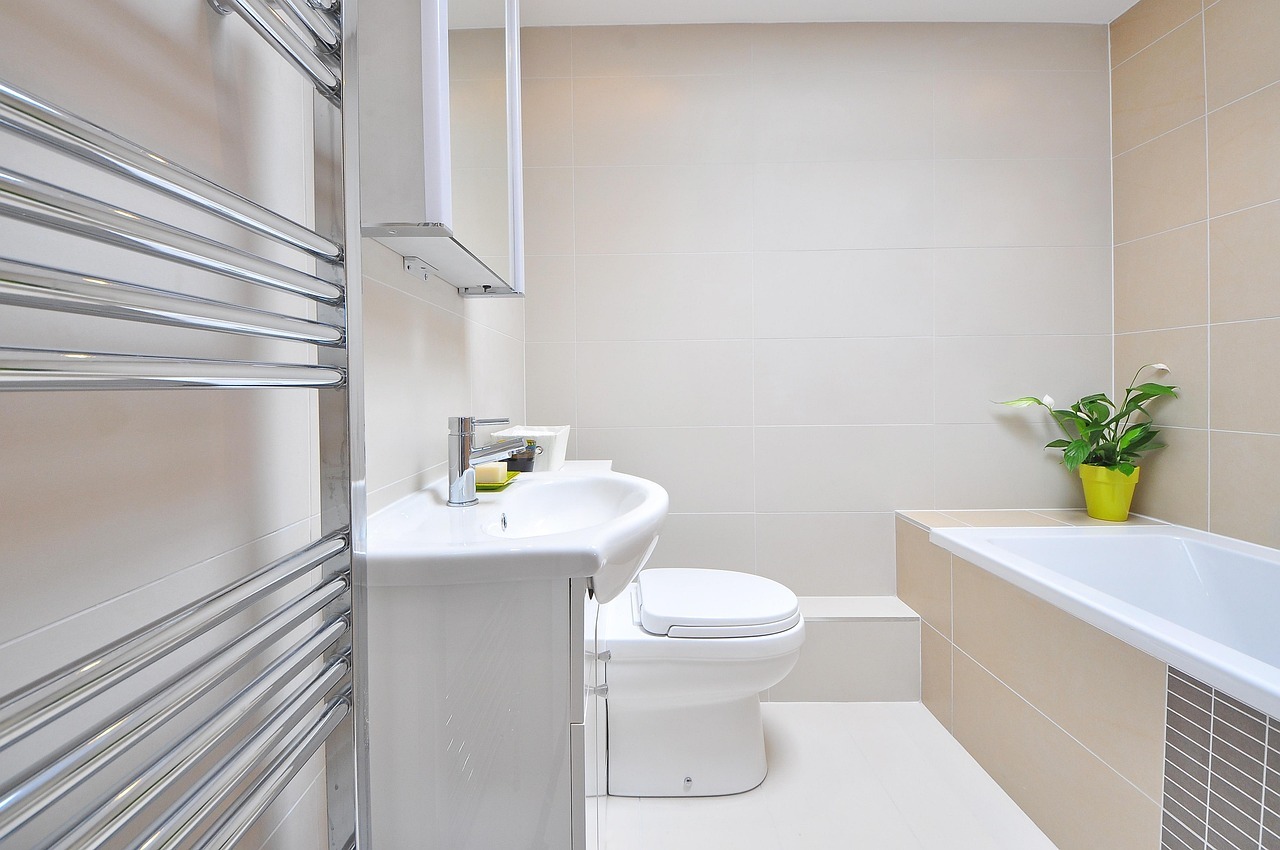
Selecting a contemporary hanging bar for fabric involves careful consideration of materials, size, functionality, and aesthetics. By understanding how each component influences performance, you can choose a bar that supports your daily needs while elevating your space’s design.
With the right combination of style and practicality, a modern hanging bar becomes more than a simple fixture, it becomes a thoughtful detail that enhances organization, improves convenience, and contributes to a beautifully designed home.