
















As summer comes to a close, more UK homeowners are preparing their properties for the colder months ahead. One area often overlooked is the roof, yet an uninsulated roof can be a major source of heat loss. In fact, up to 25% of a home’s heat escapes through the roof if it isn’t properly insulated.
Google search data shows a growing awareness of the problem, with searches for ‘How to insulate a flat roof’ rising by 50% in the past 90 days.
Mike Storey, roofing expert at UKFR Roofing & Insulation, explains: “Flat roof insulation is one of the smartest investments you can make ahead of autumn and winter. Not only does it improve your home’s warmth and comfort, but it can also help cut energy bills and reduce your carbon footprint. The key is choosing the right method of insulation for your property and making sure the job is done correctly.”
So, what are the best ways to insulate a flat roof? Mike shares his expert advice:
1. Decide between warm roof and cold roof insulation
Mike says, “Warm roof insulation is generally the most effective solution. This involves placing rigid insulation boards above the roof deck but below the waterproofing layer, keeping the entire structure warm. Cold roof insulation, meanwhile, sits between the joists inside the property, but this can be less efficient and more prone to condensation issues if not properly ventilated.”
2. Check the condition of your existing roof
Mike says, “Before adding insulation, make sure your roof is in good shape. Cracks, leaks or damaged membranes should be repaired first, otherwise the insulation could trap moisture and cause more problems down the line.”
3. Choose high-quality materials
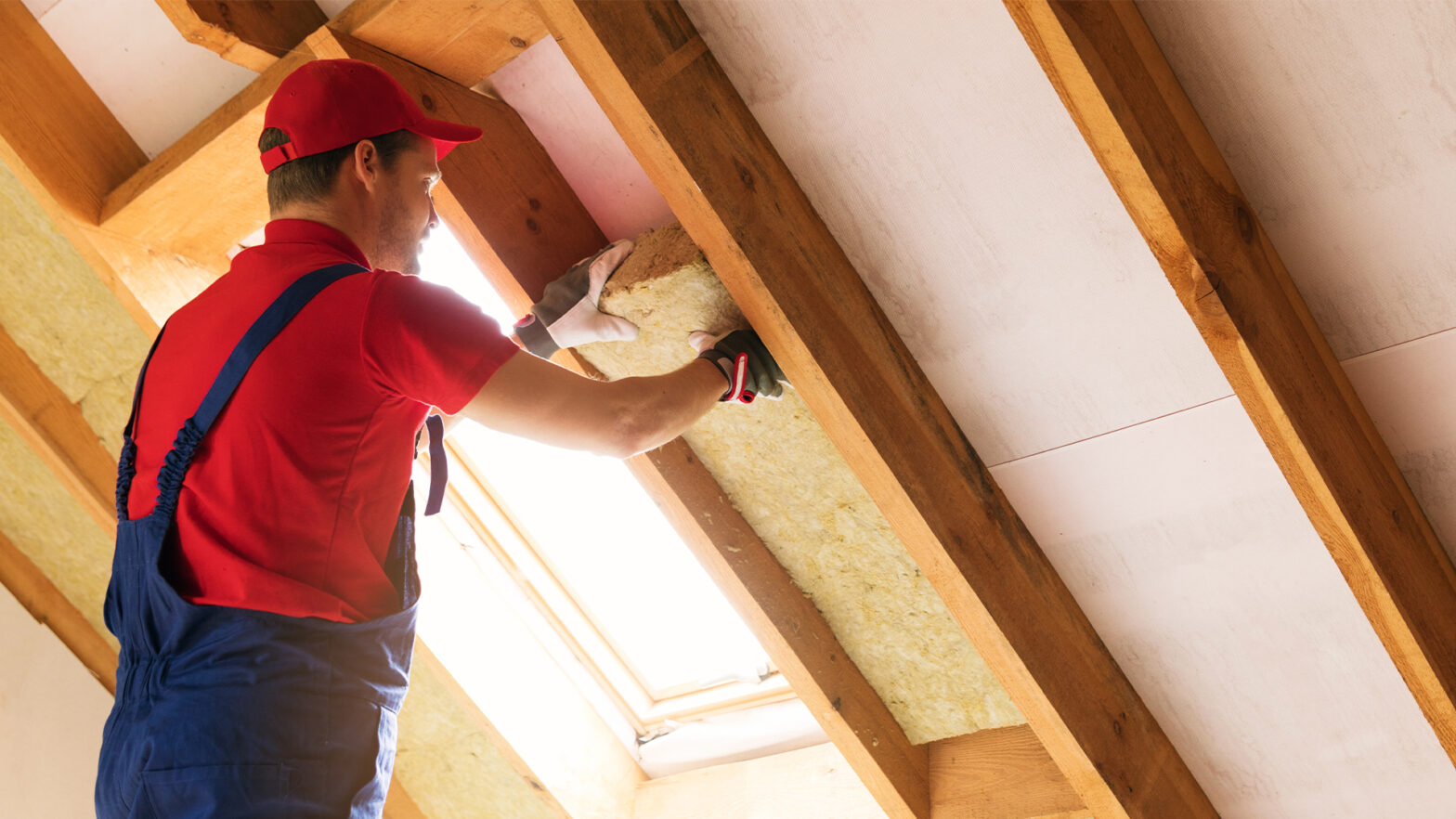
“Rigid insulation boards such as PIR or mineral wool are the most common choice for flat roofs. They provide excellent thermal resistance and can be cut to size for a seamless fit,” Mike adds.
It is also essential to get flat roof spec insulation boards as many standard products can cause failure of the waterproofing layer if not. Ensure the boards being used have a BBA for flat roofing and ensure thermally broken fixings are always used.
4. Think about condensation control
Mike explains, “Flat roofs are more susceptible to condensation than pitched roofs. Including a vapour control layer is essential to prevent moisture build-up, which can damage the structure over time.”
5. Consider professional installation
Mike says, “DIY is possible for internal cold roof insulation, but for warm roof systems or larger projects, professional installation is recommended. This ensures compliance with building regulations and long-lasting performance.”
6. Don’t wait until winter
Mike says, “The best time to insulate is before the cold weather sets in. Once autumn arrives, roofing contractors are often in high demand, so acting early helps you avoid delays and ensures your home is prepared for the winter months.”
As household budgets continue to feel the pressure of rising energy costs, making sure your roof is properly insulated has never been more important.
Mike concludes, “Insulating your flat roof not only helps you save money on heating, it also makes your home more comfortable and sustainable. By getting the work done before winter, you’ll benefit from the results straight away, keeping the heat in and the cold firmly out.”