











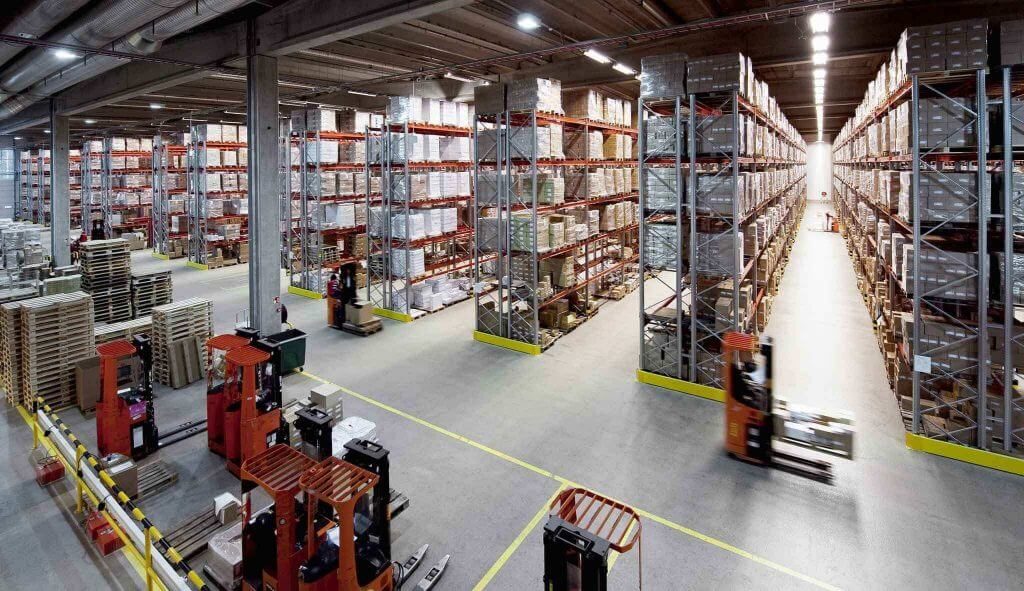











Warehouse pallet racking is rarely a simple storage decision and for logistics operators, developers and engineering teams, it forms part of the core infrastructure that determines how efficiently a building performs over time. The right system influences throughput, labour efficiency, compliance and ultimately return on capital investment.
As distribution models become more complex and supply chains tighten, warehouse racking systems must respond to industry-specific demands. A one-size-fits-all approach can restrict growth, create safety risks and lead to avoidable retrofit costs. For organisations planning a new facility or upgrading an existing one, the choice of racking, and the supplier behind it, deserves careful scrutiny.
Why Industry-Specific Warehouse Racking Matters
No two warehouses operate in the same way. SKU profiles, pallet weights, picking methods and delivery schedules vary significantly across sectors. A configuration that works in a fast-moving e-commerce environment may prove inefficient in a heavy manufacturing facility.
Warehouse pallet racking should be specified with clear consideration of throughput, load capacity and compliance requirements. Seasonal fluctuations, promotional peaks and future growth projections all influence aisle widths, beam heights and storage density. When these factors are overlooked, systems can quickly become restrictive.
For developers and contractors, racking should be viewed as a structural component of the building rather than an afterthought. Floor slab tolerances, clear internal heights and fire protection strategies must align with the proposed storage system. Treating racking as long-term infrastructure helps safeguard operational resilience and asset value.
Common Industries and Their Storage Priorities
Warehouse Racking for Retail and E-commerce Operations
Retail and e-commerce warehouses manage high SKU volumes and fast stock turnover, so racking must support accurate picking, rapid replenishment and safe operations. High-density options such as narrow aisle or double-deep systems help maximise vertical space, while dedicated pick faces improve efficiency. In higher-volume environments, automated pallet racking systems can further increase speed and reduce labour reliance, provided the investment aligns with order profiles and long-term plans.
Pallet Racking for Manufacturing and Production Facilities
Manufacturing facilities require clearly zoned storage for raw materials, work-in-progress and finished goods to maintain production flow. Flexible, adjustable racking systems allow layouts to adapt as product lines or volumes change, while FIFO configurations support quality control and compliance. Early integration with conveyors or automated handling equipment ensures smooth material movement and minimises disruption as operations expand.
Heavy-Duty Racking for Construction and Building Materials
Construction suppliers often store long, heavy or irregular materials, requiring heavy-duty racking designed for substantial loads. Cantilever systems are commonly used for timber and steel sections, with careful load calculations, column protection and impact resistance essential to maintain safety. In this sector, structural strength and compliance must take priority to protect both personnel and inventory.
Logistics and Distribution Centres: Maximising Capacity and Throughput
Logistics hubs focus on maximising capacity and throughput within a fixed footprint. High-density, very narrow aisle, mobile or automated racking systems can significantly increase storage volume, but must be balanced against accessibility and picking speed. The right solution depends on operational scale, labour availability, energy costs and long-term growth strategy.
What to Look for in an Automated Pallet Racking Supplier
Even the most suitable racking design can fail if poorly specified or installed. Selecting an automated warehouse pallet racking supplier requires a focus on engineering capability, compliance and long-term support.
Engineering and Structural Design Expertise
A competent supplier should provide detailed load calculations and demonstrate compliance with EN 15512. Floor slab capacity, point loading and potential seismic considerations must be assessed before installation. Engineering input at this stage reduces the risk of structural issues later.
Compliance and Safety Standards
Suppliers should work in line with HSE HSG76 guidance and recognised industry codes such as those set by SEMA. Clear documentation, installation standards and inspection procedures are essential for maintaining pallet racking safety. Ongoing inspection capability should also form part of the offering.
Integration with Existing Infrastructure
Automated pallet racking systems rarely operate in isolation. Compatibility with mezzanines, conveyors and warehouse management systems should be addressed during design. A supplier that understands wider infrastructure constraints can help avoid costly redesigns.
Scalability and Future-Proofing
Warehouse operations evolve. Modular systems that allow additional bays, increased height or altered layouts provide valuable flexibility. Growth planning should be discussed openly at specification stage to reduce the need for disruptive retrofits.
Aftercare and Ongoing Inspection
Regular inspection and maintenance are critical to long-term performance. Damage repair protocols, documented maintenance programmes and clear communication channels support a safer working environment. A reliable supplier will view the project as a long-term partnership rather than a one-off installation.
Common Mistakes When Choosing Warehouse Pallet Racking
Several recurring issues arise when organisations invest in warehouse pallet racking without adequate planning. One common mistake is underestimating future growth, leading to systems that quickly reach capacity.
Another is focusing solely on upfront cost rather than lifecycle value. Choosing the lowest-cost supplier can result in higher maintenance expenses and operational disruption. Poor layout planning, including insufficient aisle space, can also restrict throughput.
Finally, overlooking pallet racking safety and inspection requirements exposes organisations to compliance risks. Regular assessment and staff training are essential components of a responsible storage strategy.
Warehouse Racking as a Long-Term Infrastructure Investment
Warehouse racking should be treated as long-term infrastructure, not short-term equipment. A well-designed, scalable and compliant system improves efficiency, supports higher utilisation and enhances tenant appeal, while outdated layouts can restrict flexibility and increase relocation risk. In major distribution environments, resilient design and clear maintenance practices are key to protecting business continuity and asset performance.
Final Considerations Before Investing in Warehouse Racking
Before installing warehouse racking, organisations should complete an operational audit supported by realistic growth and throughput forecasts to ensure the system aligns with workflow, handling equipment and staffing. Supplier credentials, engineering expertise and compliance history must be carefully reviewed, with a clear inspection and maintenance plan in place from the outset.
As a long-term investment, warehouse pallet racking should meet operational needs and deliver safe, efficient storage that supports performance and future growth.