















In the harsh, inaccessible corners of the globe, from volcanic Atlantic islands to arid conflict zones, a quiet revolution is reshaping how we build. The demand for instant, resilient infrastructure in remote locations has outpaced the capabilities of traditional construction.
In response, industries are turning to a solution that is as clever as it is simple: converting the humble intermodal box into high-performance containerised facilities. By leveraging the innate durability and modularity of shipping containers, project managers are now deploying fully operational hospitals, data centers, and field kitchens in a fraction of the time it would take to pour concrete and stick-frame a building.
The Anatomy of a Modern Containerised Unit
At its core, the magic of this transformation lies in customisation options that turn a steel box into a precision asset. While an ISO container is standardised for global transport, its interior can be reimagined entirely. Today’s modular designs range from insulated personnel shelters equipped with CBRN-proof climate control to mobile machine shop units reinforced to hold lathes and an air compressor.
Engineers treat these container structures with high-performance exterior cladding to reflect heat or provide ballistic protection. Once the shell is prepared, the unit is fitted with a comprehensive electrical package and a connectivity kit to ensure it can operate as a standalone node.
For accessibility, modifications include standard personnel doors, double doors, and even roll-up garage doors to facilitate the movement of heavy machinery in an ISO containerised workshop shelter. When selecting a manufacturer, choose one with a proven track record of delivering containerised facilities engineered to withstand extreme environments while reliably housing critical support functions, like medical aid stations and command centers.
Versatility Across Industries
In the defense sector, a single ISO containerised shelter can function as a relocatable simulation shelter for simulator operations, complete with server racks and internal wiring. On the same forward operating base, an office combo container might provide command and control functions adjacent to a unit fitted with full-sized kitchens and a shower and toilet facility.
In the private sector, companies are utilising container pools to house edge computing nodes that bring processing power to the data source. These units are often specified with a package with climate control to manage the thermal load of high-density servers, ensuring operational stability in desert heat or arctic cold.
The logistics of international distribution for these units are surprisingly straightforward. Because they adhere to standard ISO dimensions, they are transported using the same global infrastructure as standard freight. Manufacturers build and test an office container, complete with built-in desks, fiber optics, and lighting, and ship it anywhere in the world.

Engineering for Extreme Environments
One of the primary drivers for this shift is the superior structural integrity of the ISO cargo container. Unlike traditional timber-framed structures, these units are engineered to withstand stacking loads of over 100,000 kilograms. This makes them ideal for state projects requiring efficient shelter in seismic zones or areas prone to high winds.
To make them habitable, manufacturers install high-grade insulation within the corrugated walls, transforming the metal box into an insulated shelter that maintains interior temperatures despite extreme external conditions. For specialized needs, such as arctic exploration or weapons storage, the design might include a container with a weapons rack system, ensuring that valuable equipment is secure and climate-controlled.
For energy sector projects, these units serve as reliable equipment shelters, protecting sensitive telemetry gear from corrosive coastal salt spray. This proven adaptability makes the modified ISO container a foundational building block for infrastructure in the world’s most unforgiving locations.
The Self-Sufficient Deployment Model
Perhaps the most significant advantage of containerized infrastructure is its ability to operate completely independent of local utilities. In disaster zones or undeveloped regions, these units arrive as fully integrated, self-sustaining ecosystems.
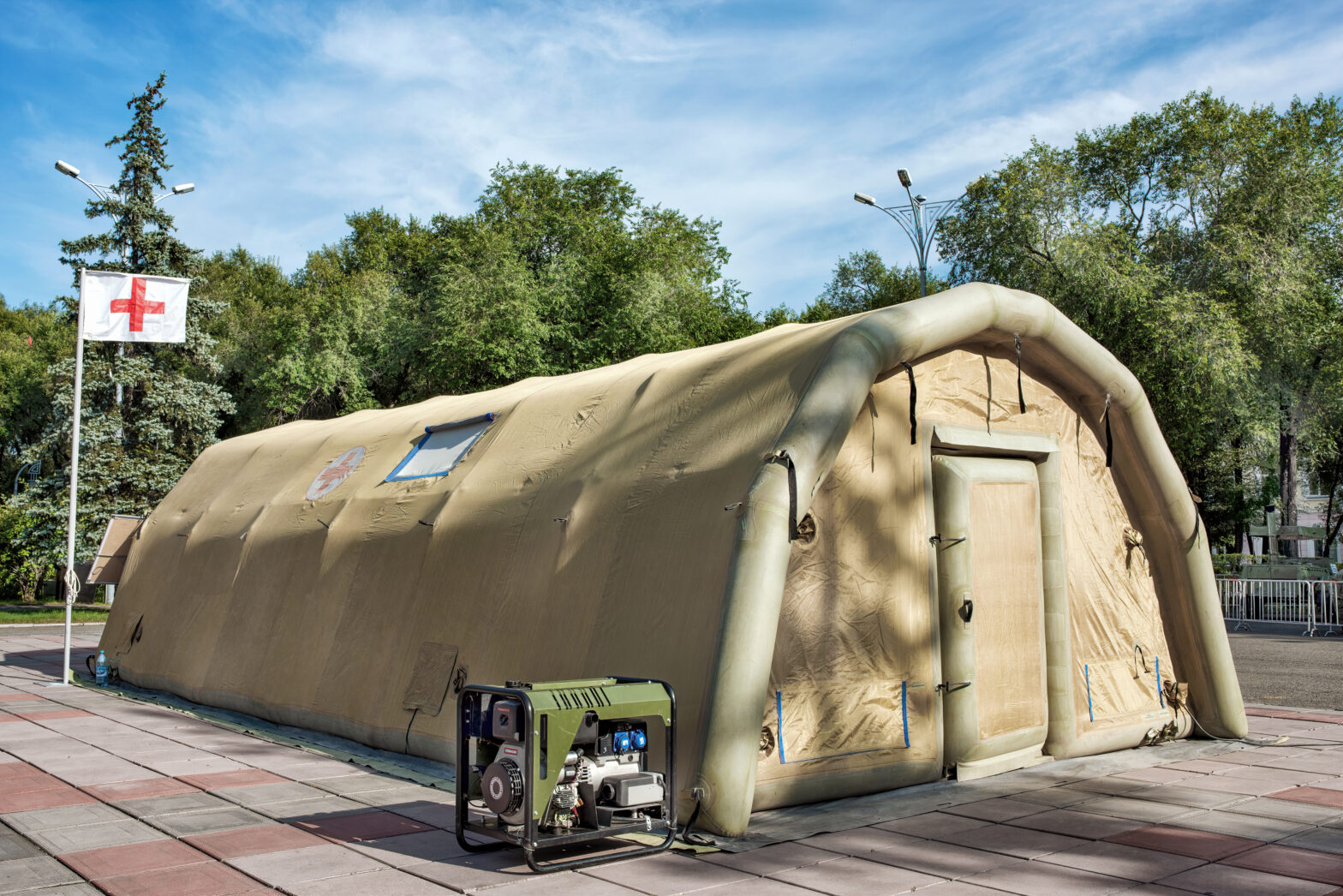
Modern configurations feature integrated solar arrays and battery storage, allowing field hospitals or communication nodes to function entirely off-grid. For higher demands, a dedicated generator container can provide silent power without sacrificing interior space. Water autonomy comes from built-in tanks and filtration systems that enable continuous sanitation and medical operations from local sources.
The Bottom Line
Containerized assets compress project timelines from years to months and offer a level of reliability that site-built construction struggles to match. Whether deployed as a mobile command post or a remote workforce dormitory, these adaptable assets are proving that the best way to build on the frontier is to build it in a factory first.