










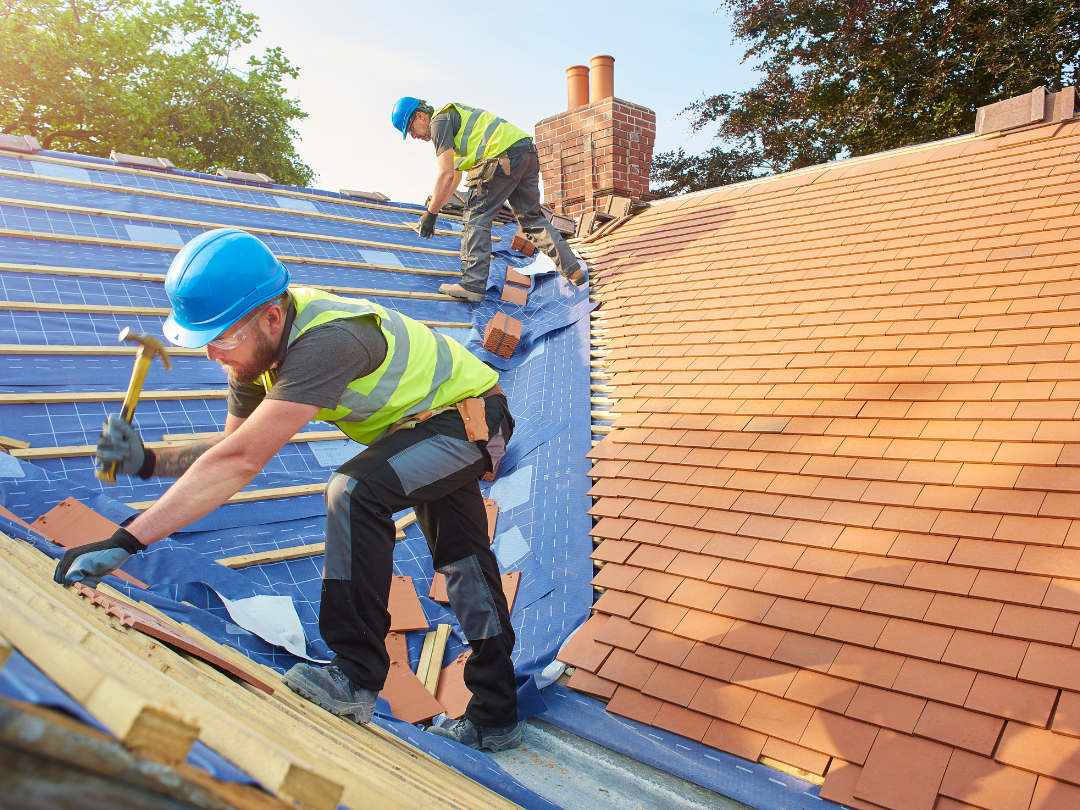
Home durability has become a central focus for homeowners and buyers across North America as environmental conditions, energy demands, and construction standards continue to evolve. Understanding how building and renovation trends influence long-term performance helps property owners make informed decisions that affect maintenance costs, comfort, and structural reliability. These trends increasingly prioritize resilience, efficiency, and material longevity rather than short-term visual upgrades.
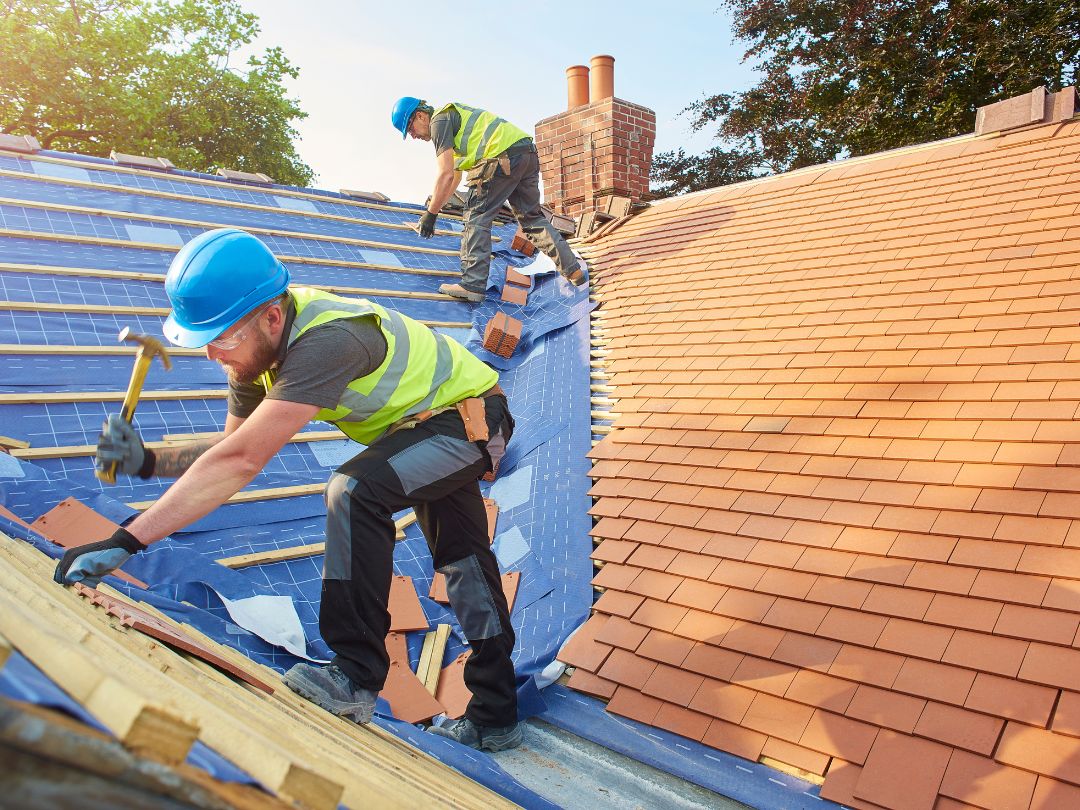
Within this broader context, roofing and exterior protection are frequently evaluated as part of whole-home planning. When assessing roofing systems and long-term exterior performance, homeowners may consider collaborating with a top roofing company to better understand how material selection, installation methods, and system design contribute to durability within residential renovation strategies. This is how professional roofing services support informed planning by aligning materials and installation practices with climate conditions and long-term goals.
Climate Resilience as a Driver of Construction Practices
Climate resilience has emerged as one of the most influential forces shaping residential construction projects and renovation planning. Homes are expected to withstand more frequent temperature swings, intense storms, prolonged exposure to moisture, and seasonal extremes, depending on the region.
Exterior Materials Designed for Environmental Stress
Material selection increasingly reflects the need to manage environmental loads and exposure. Homeowners and builders are prioritizing exterior components that maintain performance under stress, including:
- Roofing materials rated for high wind and impact resistance
- Siding systems designed to manage moisture and drainage
- Weather-resistant underlayments and barriers
- Finishes that resist UV degradation and temperature fluctuation
These materials help preserve structural components beneath the exterior surface and reduce the likelihood of premature failure.
Thermal Control and Envelope Improvements
Energy efficiency upgrades often align with durability goals. Improving thermal control reduces condensation risks and limits material stress caused by temperature differentials. Common improvements are:
- Increased attic insulation levels
- Continuous insulation to reduce thermal bridging
- Improved air sealing at joints and penetrations
Together, these measures enhance comfort while protecting building assemblies from moisture-related deterioration.
Renovation Trends and Priorities Influencing Long-Term Performance
Renovation activity across North America increasingly focuses on improvements that extend service life. Homeowners are prioritizing projects that strengthen the building envelope and structural framework.
Structural Upgrades and Load Management
Structural improvements are driven by updated codes or changing environmental demands. Renovation priorities in this area may focus on:
- Reinforcing roof structures for higher snow or wind loads
- Strengthening framing connections
- Addressing foundation settlement or movement
- Updating older framing to meet current performance expectations
These upgrades improve overall stability and reduce the risk of progressive structural issues over time.
Exterior Protection and Moisture Control
Water remains one of the most significant threats to residential durability. Renovation trends emphasize preventing intrusion before damage occurs. Common priorities are:
- Replacing aging roofing systems
- Upgrading flashing around penetrations
- Improving drainage paths and water shedding details
Proactive moisture management helps preserve both structural and interior components.
Property Value and Maintenance Implications
Durability-focused renovations directly influence ownership costs and resale potential. Homes with well-documented upgrades to exterior protection and energy performance demonstrate more predictable maintenance profiles.
Here are key impacts:
- Fewer unplanned repairs
- Longer replacement cycles for major components
- Improved inspection outcomes
- Greater buyer confidence during resale
These factors collectively contribute to sustained property value and reduced long-term expense.
Energy performance plays a notable role in this equation. In colder climates, residential energy consumption is heavily influenced by heating demand, which is why many homeowners invest in envelope upgrades to better manage long-term operating costs.
Contractor Expertise, Standards, and Quality Control
Materials alone do not determine outcomes. Skilled execution and adherence to standards are essential to achieving durable results in both construction and renovation work.
The Role of Skilled Trades
Qualified contractors understand how materials interact within complex assemblies. In roofing and exterior work, professional roofing services bring technical knowledge of ventilation, fastening, and moisture control. This expertise helps ensure systems perform as intended over time rather than failing prematurely.
Code Compliance and Verification
Building codes continue to evolve in response to climate data and performance research. Renovations aligned with current standards benefit from:
- Minimum performance thresholds for safety and durability
- Clear guidelines for material installation
- Inspection processes that verify compliance
Quality control practices reduce errors that can undermine even high-quality materials.
Integrated Strategies for Home Protection
Modern building and renovation trends increasingly favour integrated approaches rather than isolated upgrades. Homes perform best when roofing, walls, insulation, and drainage systems are designed to function together.
This systems-based perspective includes:
- Coordinating roof assemblies with wall air barriers
- Aligning insulation strategies across the envelope
- Selecting materials based on regional exposure conditions
- Planning maintenance access during construction
Roofing plays a central role in this integration, influencing moisture management, energy performance, and structural loading.
Building Homes That Endure Changing Conditions
Across North America, building and renovation trends reflect a growing emphasis on durability as a measurable outcome. Climate resilience, energy efficiency, and structural integrity now guide material selection and renovation planning at every stage.
For homeowners and buyers, understanding these trends provides a more transparent framework for evaluating construction quality and long-term performance. Within this broader strategy, working with a top roofing company becomes part of an integrated approach to protecting homes from environmental and structural challenges, ensuring that roofing systems support overall durability.