

















nlike in rapidly appreciating metropolitan areas, homeowners in small-town housing markets face a different financial reality. While popular cities face high property price growth, most American homeowners live in markets where there’s steady appreciation. We’ll share some strategies for building equity in these smaller markets.
How Things Work in Stable Markets
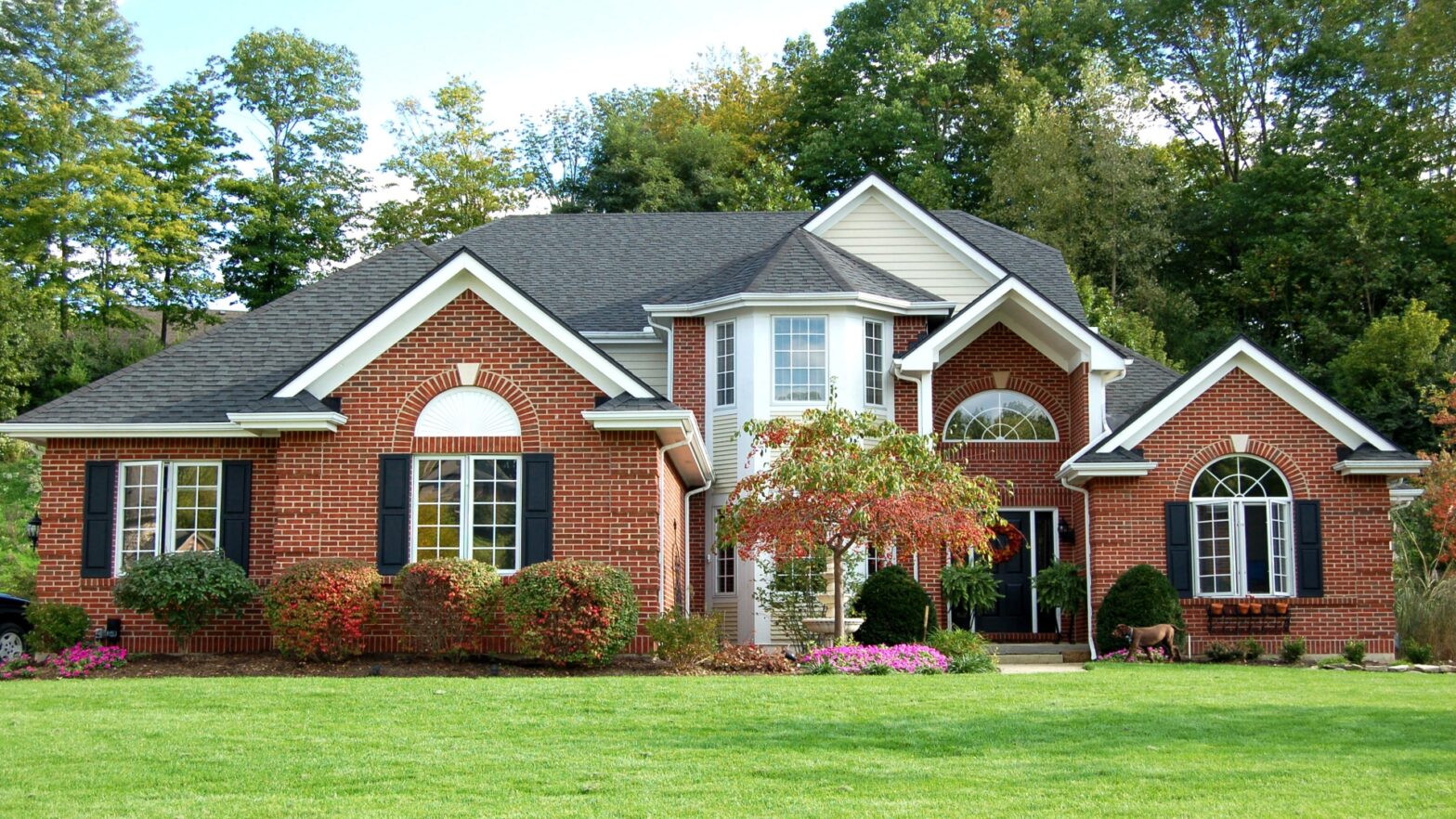
Generally, small-town and rural housing markets exhibit slower growth and lower property prices compared to big cities. In these areas, homes serve their primary purpose of providing shelter rather than being used as an investment.
We’ll take Clinton County in Pennsylvania as an example. Here, the homeownership rate is 71.6%, and the prices are around 20% lower compared to the national average.
In these stable markets, homes retain value through quality, and prices are not as driven by location. Instead, they reflect how the homes are built, their amenities, and their functionality.
Building Equity With Strategy
If you plan to increase the value of your home in a stable, small-town market, focus on three core principles: durability, broad appeal, and cost control. In hot markets, homeowners often renovate with a focus on premium, unique, or high-end improvements. In stable markets, you’ll focus on practical improvements that could benefit several generations of potential buyers. Also, ensure that you invest in renovations with a high return.
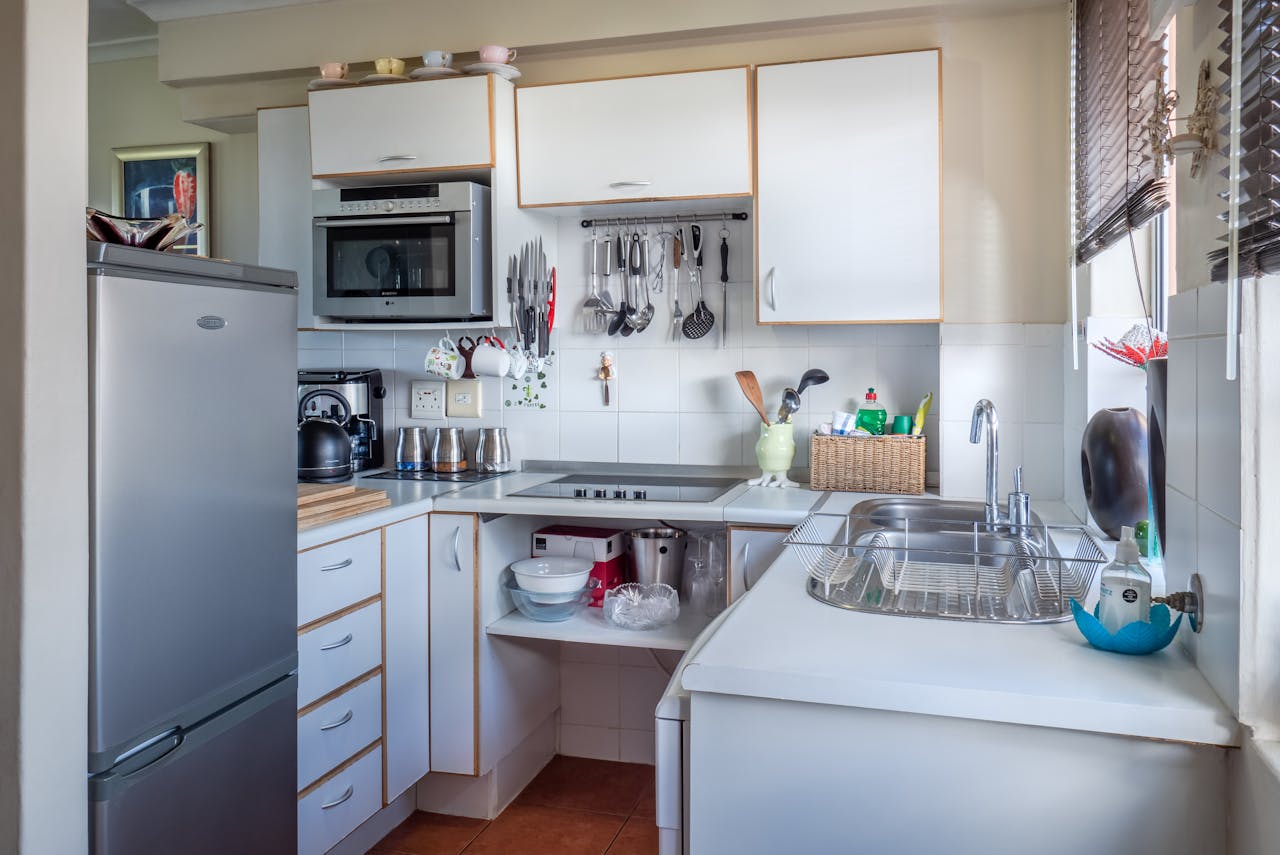
The latest Cost vs. Value Report shows smaller-scale projects generally have better returns. For example, minor kitchen updates have one of the highest returns.
If you invested in custom cabinets in Clinton County PA, you could expect returns of up to 96 cents per dollar.
On the other hand, major renovations like bathroom additions return just around 33 cents per dollar.
This is especially true if you’re selling in communities with a strong construction and manufacturing industry, as you can find skilled craftspeople who build for longevity rather than fashion. Also, if you have an older home, investing in custom space-saving solutions can increase the home’s functionality and value.
High-quality materials will look better and last longer, and you can focus more on them with a local contractor who is willing to listen.
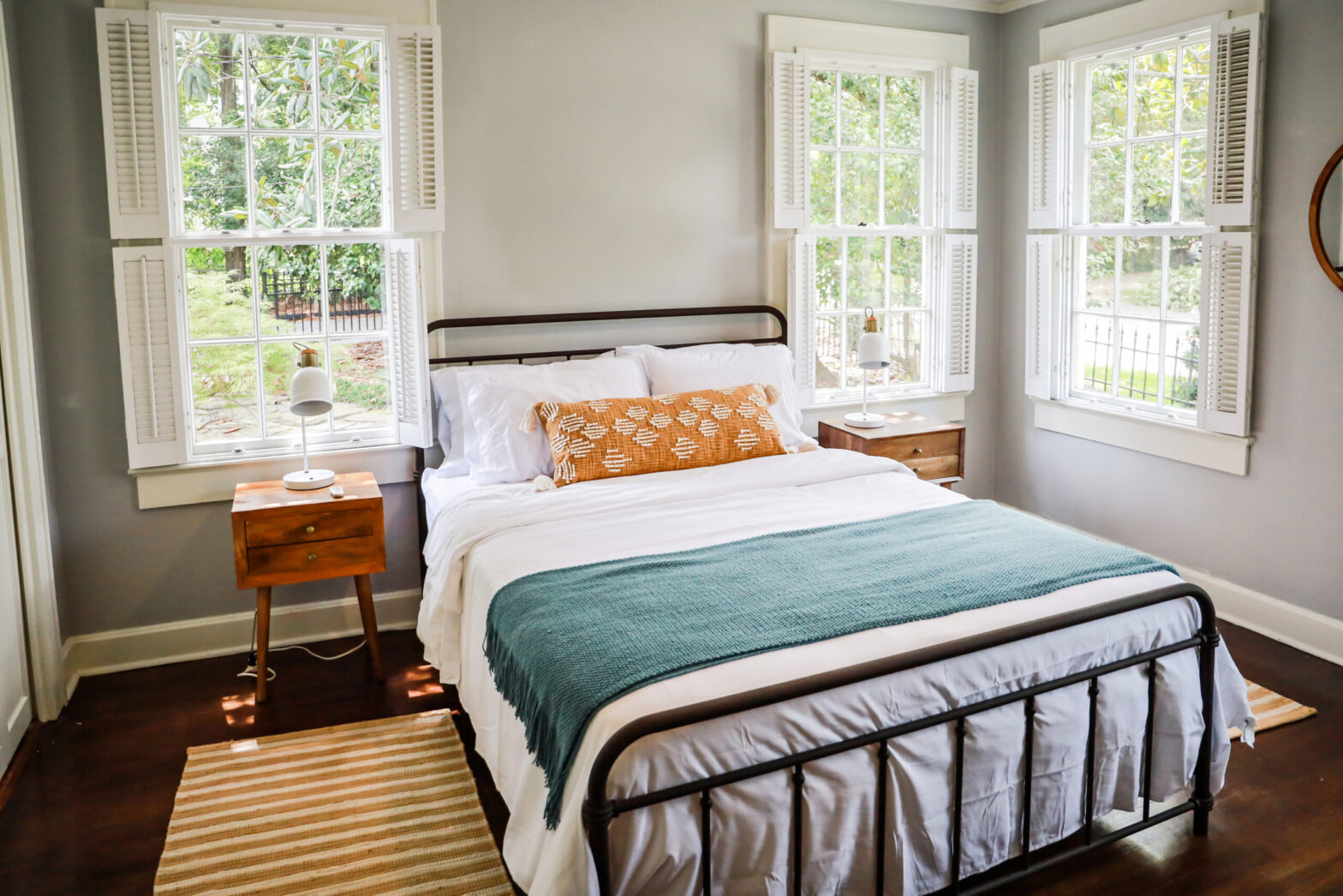
The next rule to follow is broad appeal rather than blindly following short-term trends. Avoid personalizing the renovations too much, and focus on styles that can work for a wider audience, such as neutral colors, classic finishes, and a focus on quality that ages well.
When it comes to cost control, the key is to match the investment to the market. With homes under $200,000, which is around the median price in smaller towns, it makes more sense to target a high ROI update between $15,000 and $20,000 than to invest in a dramatic, expensive makeover.
Using Your Home Equity
Of course, don’t just focus on resale value. Given that the majority of homeowners purchased with a mortgage, consider how you will use that home equity.
In a stable market, consider tapping into the equity with a home equity line of credit (HELOC) for renovations and improve both your quality of life and your home’s long-term value. As monthly housing costs fluctuate less than in big cities, HELOCs provide financing that is more manageable, even for more expensive projects.
Of course, there’s the downside of potentially losing your home if you’re unable to keep up with the loans, so this should always be well-researched and planned. You can borrow more modest amounts relative to your home value or reduce expenses so you can service the debt even if you run into issues with your primary income.
With the majority of people staying in their homes long-term, stable markets offer another chance to build equity due to their predictability. One way to do this is to speed up your mortgage payments and apply your money directly to the principal of your loan. This reduces the balance, increases your ownership stake, and saves you money on interest.
For example, a homeowner making an extra $200 monthly payment on a $150,000 mortgage at 6% interest will save approximately $45,000 in interest and pay off the loan five years early. A strategy like this is more achievable in a rural area than in an expensive city.
Basically, your financial strategy should focus on aggressive principal reduction, strategic improvements in phases over several years, long-term ownership so you can enjoy the renovations, and investment in quality over trends.
So rather than maximizing every dollar of potential appreciation, build steady, reliable wealth you can enjoy longer.