














In today’s cities, it is more important than ever for infrastructure to withstand not just regular use but also the strange, unpredictable stresses brought by increasingly wild weather. What stands out, surprisingly, is how crucial the humble drainage channel has become in this high-stakes effort. Far from just shuttling unwanted water away, modern systems perform like silent guardians, supporting resilient city life and making sure our neighborhoods remain dry when the rain seems relentless. A well-planned drainage solution helps protect everything from your favorite busy plaza to long stretches of highway and even the tiny green corners we all appreciate. If you look closer, advanced drainage solutions act as a protective layer for foundations and for sustainable urban growth.. With an eye on protecting both people and the surrounding ecosystem, these systems are as much about tomorrow as they are about today’s headaches.
How do drainage channels build climate-resilient cities?
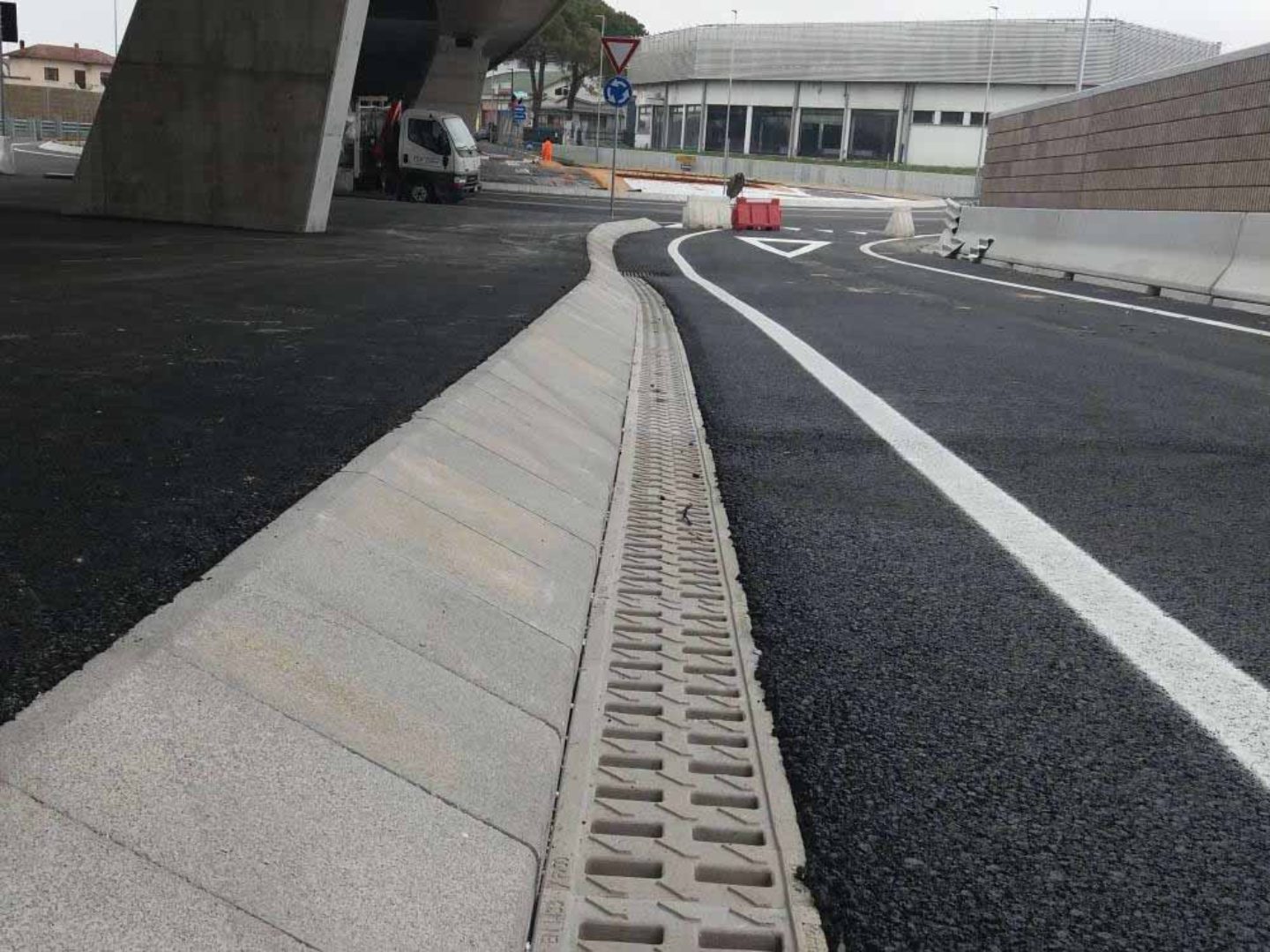
Actually, city planners face a big challenge when it comes to heavy rain. With so much pavement and concrete everywhere, water simply has nowhere to go. You might recall walking down a street after a downpour and seeing enormous puddles stretching across the road. That’s where a well-placed drainage channel makes a difference. It collects and quickly diverts stormwater away from these urban “lakes,” lowering the danger of floods and even sparing local parks and gardens from erosion. In this way, the role of drainage infrastructure extends far beyond being a hidden utility: it’s a lifesaver for neighborhoods that can flood in a flash.
Managing stormwater in dense urban environments
Instead of simply directing rainwater into some distant pipe, these systems are all about organization and clever rerouting. It’s fair to say that when a drainage channel is properly integrated into a city layout, it’s almost like the streets themselves are thinking ahead. Local governments have had to get a bit cleverer, making certain that water never pools where people walk or where cars zoom by. This way, the hustle of daily life isn’t brought to a standstill every time storm clouds roll in. By supporting reliable, year-round access, these pathways quietly keep the city moving.
What are the key features of a sustainable drainage channel?
The nuts and bolts of a drainage channel matter, sometimes more than the average city dweller realizes. While shiny designs might get attention initially, it’s the parts you don’t see that quietly do the heavy lifting. Choosing the right material is crucial: it turns longevity and toughness from a hope into a measurable reality. Some cities, for example, look closely at every construction detail, especially when betting on projects meant to last for generations.
The importance of material selection
Polymer concrete has taken center stage for good reason. It’s almost like putting your infrastructure in a sturdy suit of armor. Some standout qualities include:
- Chemical resistance: resists oils, de-icing salts and other contaminants commonly found on urban roads.
- Mechanical strength: Handles busy highways and the tireless weight of thousands of vehicles.
- Durability: Laughs in the face of harsh winters or sudden temperature swings, holding its shape when lesser materials would crumble.
Really, these superpowers save cities a fortune down the road, slashing the need for constant repairs and, as a bonus, lowering the environmental cost of all that back-and-forth construction.
Innovative design for efficiency and low maintenance
Certainly, new shapes and creative engineering have produced channels that solve old problems with fresh thinking. One innovation that stands out is the monolithic design, where the channel and grate form a single, continuous structure.
Why is a monolithic design better for high-traffic areas?
Imagine patching jeans where they rip the most, eventually, you just want a pair that won’t tear at all. Monolithic Kompaqdrain channels are like those stronger jeans for city streets. The absence of seams means no weak points to give way under the crushing weight of trucks or the vibration of trains. They hold steady, day in and day out, making them the clear favorite for places where reliability can’t be just talk.
And with Maxflow curved inner surfaces, something fascinating happens. Water swirls, helping to scour sediments; think of the channel as performing routine self-cleaning with each storm. That means blockages are less common and, naturally, maintenance teams can spend their time elsewhere.
| Feature | Benefit to Urban Infrastructure |
| Polymer Concrete Material | High resistance to chemicals and freeze-thaw cycles, ensuring long-term durability. |
| Monolithic Construction | Eliminates weak points, providing superior strength for high-traffic areas. |
| Curved Hydraulic Profile | Creates a self-cleaning effect, reducing maintenance needs and preventing blockages. |
| Integrated Inspection Modules | Simplifies maintenance access, minimising operational downtime for critical infrastructure. |
What are the long-term operational benefits for urban infrastructure?
Looking at the big picture, savvy drainage investments are not simply about fending off puddles. They’re about keeping cities running seamlessly, even as the years pile on. These solutions reduce long-term spending, safeguard public well-being, and keep essential city veins open even when nature gets rowdy.
Reducing maintenance and operational downtime
With tougher materials and clever, self-cleaning geometry, today’s drainage channels barely need a helping hand. That’s a relief for anyone fed up with never-ending road repairs. Special hatches and inspection entry points mean quick fixes rather than marathon construction projects. Ultimately, what you’re left with is a city that keeps humming along, day after day, no matter the forecast.
When experts in urban development champion these every-day heroes, they’re not simply ticking boxes, they’re staking out a vision. The collaboration between innovation and tradition ensures our cities aren’t just functional, but fit for the challenges of tomorrow. While most folks may never notice the drainage channel silently running beneath their feet, it’s absolutely key to making sure urban life is sustainable, safe, and pleasantly predictable, year after year.