

















By Kevin Brown, Renovation Expert from The Heritage Window Company
Buying a fixer-upper is, in my opinion, the most exciting way to get the home of your dreams. But it’s also a big and sometimes daunting commitment – especially if it’s your first renovation project.
As someone who’s been called in to help with heritage renovation products for more than 30 years, I’ve seen first-hand the gut punch when an inexperienced homemaker bites off more than they can chew. Bad planning and rushed decisions can lead to going over budget, projects that drag on for years, and all the stress that comes with it.
This shouldn’t put you off taking on a renovation project, but you should do your due diligence by asking yourself all the questions a professional renovator would before signing on the dotted line.
Here are the five essential questions I always ask before I take on a renovation project, informed by my 30 years working as a professional renovator and aluminium window expert at The Heritage Window Company:
1. What’s Hiding Behind the Walls and Under the Floors?
When looking around a fixer-upper, there are obvious elements that we know will need looking at. However, sometimes there are plenty of hidden considerations that often only become apparent when you start knocking holes in walls and scratching beneath the surface.
From ageing timber and hidden damp to outdated wiring, plumbing or even asbestos – these are the sorts of problems that can derail a renovation if they aren’t identified early, or at least inflate your budget and timeline by a considerable margin.
If you’re serious about the property, you need to request a thorough survey by a reputable surveyor. Surveyors worth their salt will flag structural issues and give you a realistic picture of the work required. In my experience, older homes in particular are full of surprises.
Identifying these hidden issues before you commit can save thousands of pounds, months of frustration, and plenty of disappointment down the line.
2. Are There Planning Restrictions with Practical Workarounds?
This is a hugely important consideration that I’m surprised many skip. Before buying a fixer-upper, you must check whether the property sits within a conservation area or has listed status, as this can affect the type of renovations you’re allowed to carry out.
If there are restrictions, it isn’t game over. However, it does mean that you’ll have to prepare for planning permissions and adjust your timeline, as 93% take around eight weeks to be granted (of the 90% that are successful).
If you discover certain renovations aren’t allowed, it also shouldn’t completely dictate your decision – what it does mean is that you should start thinking of workarounds and weigh up whether you’d be happy to settle on the compromise.
A good example of this: I’ve worked with new homeowners who planned to replace old steel windows with aluminium windows, only to find that planning rules prevented a full replacement because the original frames were considered architecturally significant.
To work around this, we decided to install secondary glazing instead, meaning we didn’t have to remove the existing steel frames. Therefore, we could renovate the property to the same results expected by the homeowners, without upsetting the local authorities.
In short, you should always check the property’s planning history and local authority guidance before you buy. Understanding the rules early allows you to plan your renovation around them, rather than discovering limitations halfway through the project and feeling terribly disappointed.
3. Which Original Features are Worth Keeping, and Which Need Modernising?
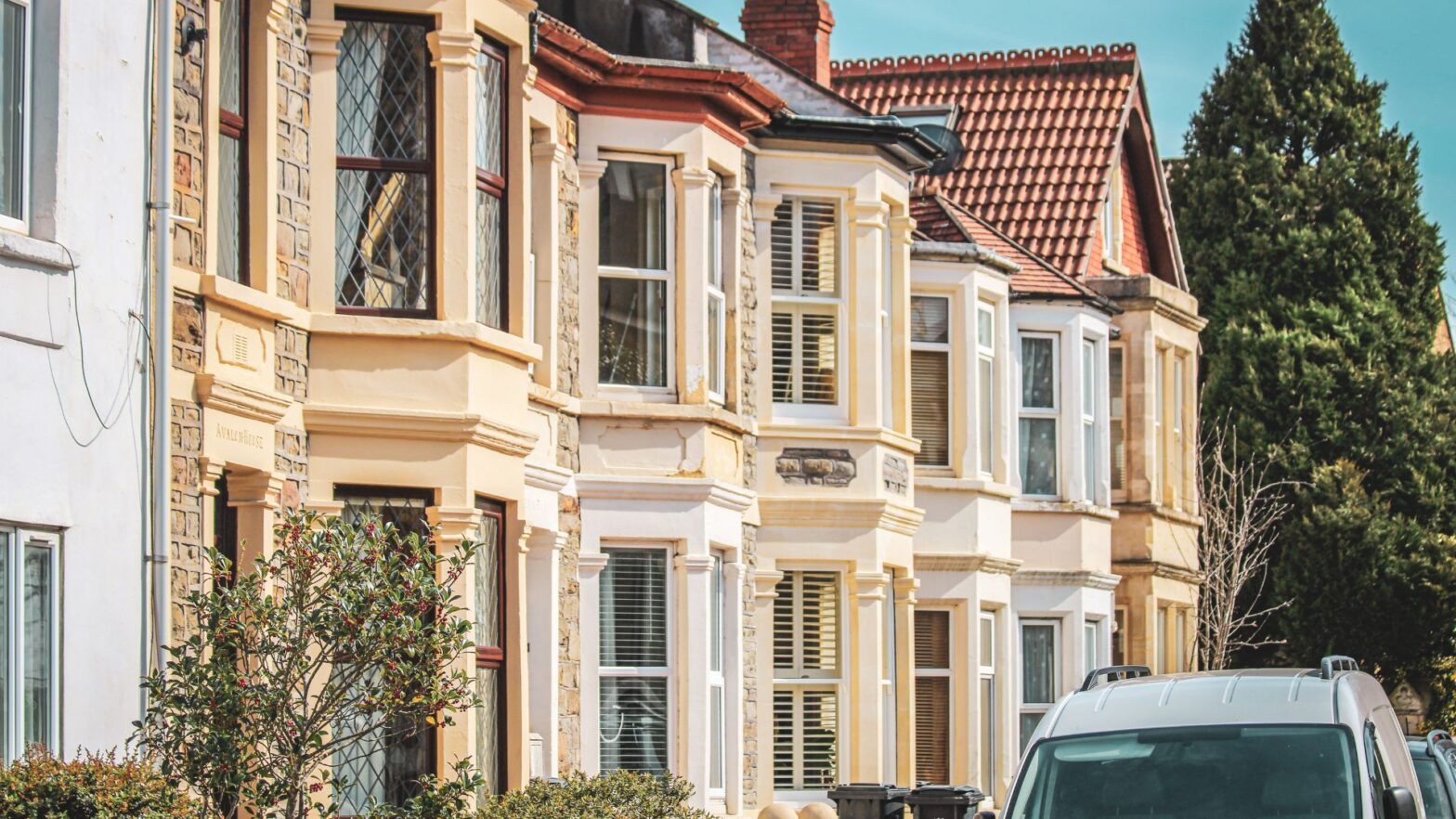
One mistake I see many renovators make is mistakenly replacing older, unassuming features, only to end up kicking themselves when they realise their true worth. The reality is that there are many original features in period homes that not only give the property its character – but in many cases – add tremendous value when professionally restored.
Elements like timber flooring, run-down fireplaces, or mouldings are often worth keeping if they’re structurally sound. By factoring in tasteful restoration work to your renovation plan, these features can become a centrepiece of the home, rather than something that needs ripping out and replacing.
At the same time, it’s important to recognise where modern upgrades will make the biggest difference to comfort and practicality. Insulation, glazing, heating systems, and electrics are all areas where modern standards can dramatically improve how the home feels to live in day to day – especially if it’s an older home with a tendency to feel draughty and cold.
From my experience, the best renovations strike a balance between preserving the character of the property while modernising the elements that affect comfort and efficiency. Before you buy, it’s worth looking carefully at which features you’d want to retain, and whether restoring them will realistically fit into your renovation budget.
4. How Adaptable is the Property’s Layout Without Expensive Structural Work?
Another point I always encourage renovators to consider is how easily the property’s layout can be adapted to suit modern living. Many older homes were built with smaller, segmented rooms – a far cry from the popular open, flowing, layouts that many homeowners look for today.
If you buy an older property with the intention to knock through walls and extend kitchens from the off, it’s important to understand that not every wall can simply be removed. Load-bearing walls, chimney breasts, and supporting beams can make layout changes incredibly complex, often requiring structural engineering input and additional building work that drastically ups the cost of the project.
Before committing to a property, it’s worth asking yourself whether the existing layout already works reasonably well, or if it would require significant structural changes to achieve the kind of space you want. From my experience, properties that only need minor layout adjustments tend to be far more straightforward and cost-effective renovation projects than those that rely on major structural alterations.
Not to mention that, if the property isn’t an ideal fit, there’s bound to be an older property out there which is closer to the mark.
5. Which Improvements Will Guarantee Comfort and Boost Resale Value?
Finally, it’s always worth thinking about the features that will improve your quality of living, while also adding value to the property as an asset. Fixer-uppers (when done properly) can unlock tremendous value as a long-term investment.
I’ve dedicated my life to the love of renovating heritage homes, so I know better than anyone that it’s not all about the money. However, if you plan to move in the future or pass your property down to loved ones, keeping an eye on your added value grants peace of mind should circumstances change. If you can add value while also improving your comfort at home, that’s a win-win in anyone’s book.
From my experience, the upgrades that tend to make the biggest difference are the ones that improve energy efficiency, practicality, and liveability. Improvements like high-quality glazing, better insulation, modern heating systems, and well-designed loft conversions can dramatically change how a home feels to live in, while also making it more appealing to future buyers.
For most renovators I meet, upgrading to double-glazing has the biggest impact in terms of both personal comfort and added value, with around a third of surveyed homeowners choosing to make the upgrade to improve energy efficiency – seeing a 3-20% premium depending on how far it lifts a fixer-upper’s EPC rating.
Final Thoughts
Ask yourself these questions before you put money down on your fixer-upper, and I’m certain you’ll be confident in saying you’ve gone into your renovation project armed with plenty of insight and prep. Good luck with your future projects!