










Modern residential pool construction has evolved far beyond basic excavation and plaster. Today’s homeowners expect energy efficiency, automation, durability, and long-term performance from their swimming pool systems. For builders and contractors, that means giving careful attention to the equipment that powers filtration, circulation, sanitation, and heating.
While aesthetics and structural integrity remain critical, the mechanical systems behind a pool often determine its lifespan, operating cost, and overall client satisfaction. Thoughtful equipment planning during the construction or renovation phase can significantly reduce service issues and increase long-term value.
Why Equipment Planning Matters During Construction
Pool equipment should never be an afterthought. Integrating the right systems during the build stage prevents costly retrofits and ensures optimal hydraulic design. Key considerations include:
- Proper pipe sizing and layout for efficient water flow
- Correct pump selection based on pool volume and head pressure
- Filtration capacity matched to pool size
- Energy efficiency compliance
- Space planning for future equipment upgrades
Builders who coordinate closely with specialists during installation ensure that equipment pads are properly designed, ventilation is considered, and access for maintenance is preserved.
The Shift Toward Energy-Efficient Systems
Energy codes and rising utility costs have pushed the industry toward more efficient solutions. Variable-speed pumps are now standard in many regions due to their ability to dramatically reduce electricity consumption compared to single-speed models. Other upgrades that are becoming common in modern builds include:
- High-efficiency cartridge or DE filtration systems
- Smart automation controls
- Salt chlorination systems
- Advanced heaters and heat pumps
- LED lighting systems
When installed correctly, these upgrades not only improve performance but also enhance resale value and reduce long-term operating costs.
Hydraulic Design: The Hidden Performance Factor
One of the most overlooked aspects of pool construction is hydraulic design. Poor pipe routing, undersized plumbing, or improperly balanced return lines can cause:
- Reduced circulation
- Higher energy usage
- Excessive wear on pumps
- Inconsistent chemical distribution
A properly engineered system ensures balanced suction and return lines, optimized flow rates, and efficient skimming action. Addressing these factors during construction avoids performance limitations later.
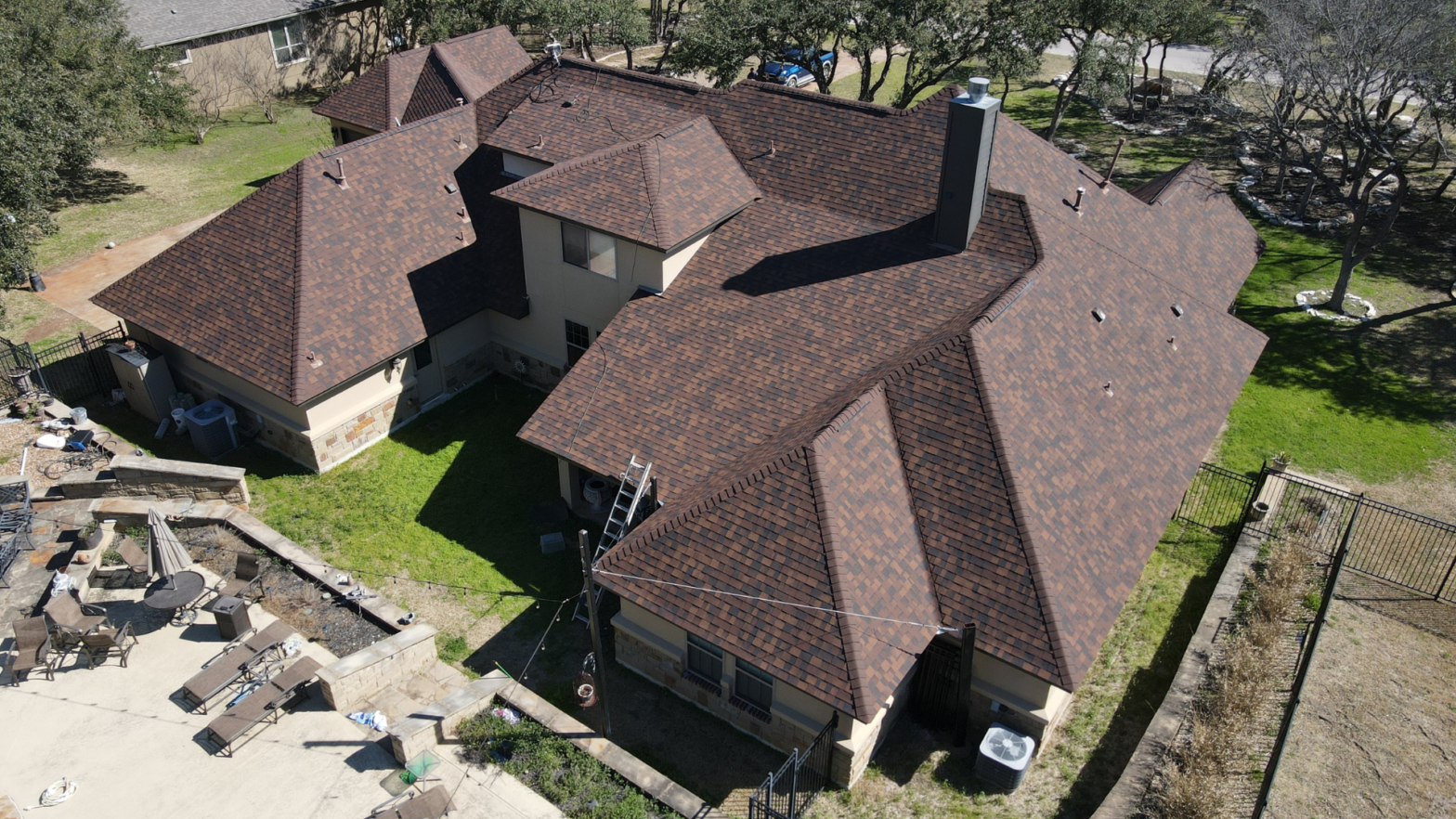
Equipment Pad Layout and Accessibility
Construction professionals should also consider how equipment is positioned. Equipment pads must allow:
- Adequate clearance for servicing
- Drainage to prevent water accumulation
- Protection from direct environmental damage
- Logical layout for plumbing and electrical runs
Crowded or poorly designed pads can complicate maintenance and shorten equipment lifespan. Organized layouts reduce service calls and increase contractor reputation for quality builds.
The Role of Professional Installation
Even high-end equipment underperforms if installed incorrectly. Proper electrical bonding, plumbing connections, system calibration, and startup procedures all impact long-term reliability. Working with specialists in professional pool equipment installation ensures:
- Correct pump programming
- Leak-free plumbing connections
- Proper system priming
- Accurate pressure testing
- Compliance with local building codes
In regions with extreme temperatures, such as Central California, system design must also account for heat exposure and seasonal water chemistry variations. Partnering with experienced installers reduces risk and improves system efficiency from day one.
Automation and Smart Integration
Homeowners increasingly expect remote monitoring and control capabilities. Automation systems now integrate:
- Pump speeds
- Heater operation
- Lighting control
- Water feature activation
- Sanitization adjustments
Installing automation infrastructure during construction is far easier than retrofitting later. Builders who anticipate this demand can offer enhanced value and future-proof designs.
Long-Term Serviceability
Pools are long-term assets. Construction decisions made during installation affect maintenance costs for decades. Durable unions, accessible shut-off valves, quality check valves, and thoughtful pipe routing make routine service faster and more cost-effective. Contractors who plan for future servicing build stronger relationships with homeowners and service providers alike.
Endnote
Modern pool construction demands more than structural expertise. Mechanical systems, energy efficiency, and installation precision now play a central role in performance and longevity. As the industry continues evolving, integrating equipment strategy early in the construction process will remain a defining factor in successful residential pool projects.