











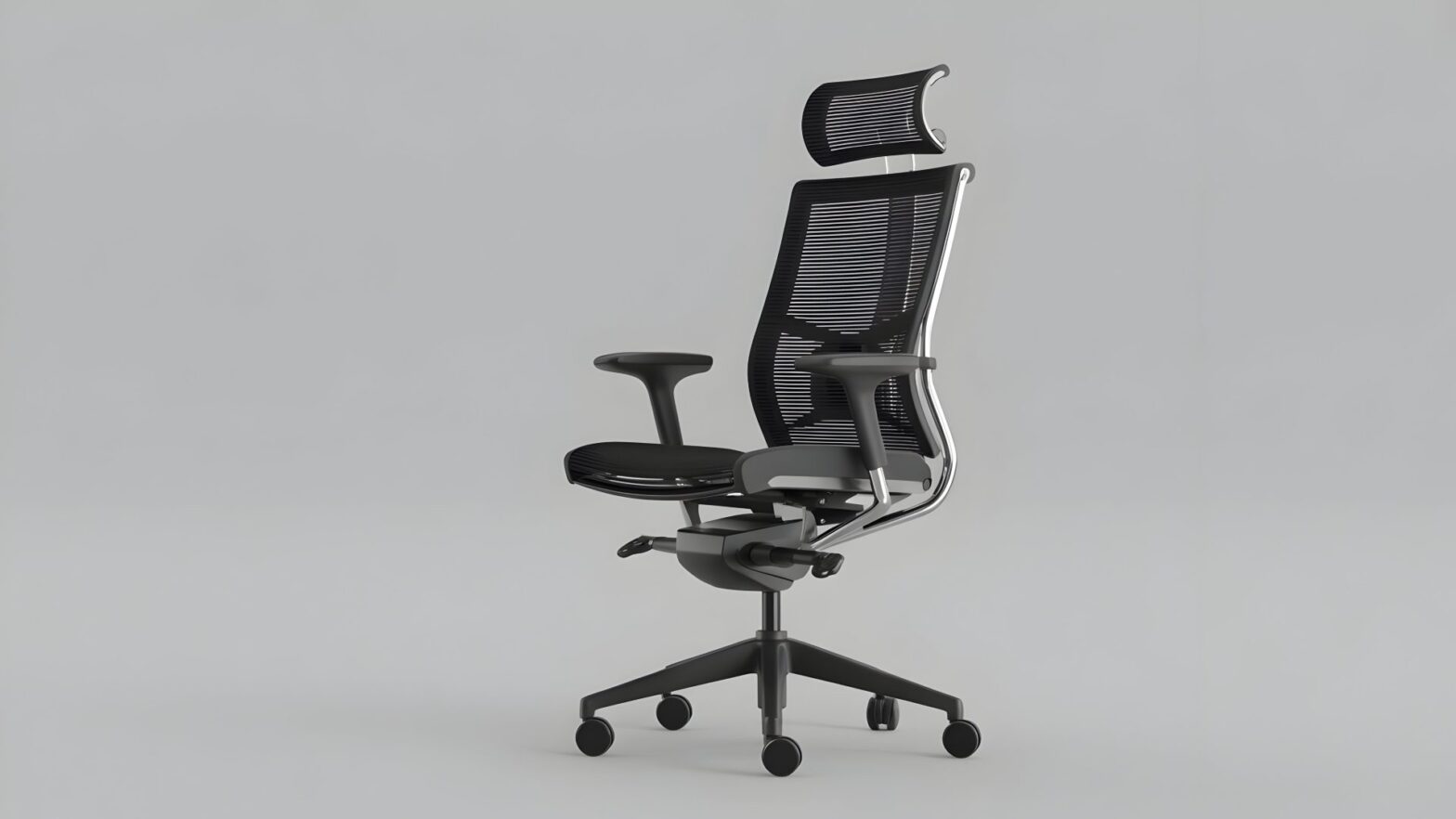











When people talk about comfort and ergonomics at work, they usually focus on the seat, the backrest, or arm support. Yet one important detail often gets ignored. Chair headrests are a small part of a chair, but they can make a big difference in how your body feels after long hours of sitting. They help support your neck, reduce tension, and add another layer of comfort that many people do not realize they are missing.
Many users look for information and accessories through platforms like OfficeLogixShop, where different ergonomic parts are discussed and compared. Understanding how headrests work and why they matter helps people make better choices for their daily comfort and health. A headrest is not about luxury. It is about support, balance, and reducing strain on the upper body.
What Is the Purpose of a Headrest on an Office Chair?
The main job of a headrest is to support your neck and the back of your head. Your neck is a sensitive area that holds the weight of your head all day. Without proper support, muscles stay tense and can become tired very quickly. A headrest gives those muscles a chance to relax, especially when you lean back or take a short break from typing.
A headrest also helps guide your posture. When your head is supported correctly, your spine is more likely to stay in a natural position. This makes sitting feel easier and more comfortable over time.
Why Headrests Matter in Modern Office Chairs
Today, many offices use advanced ergonomic chairs like Herman Miller Aeron, Mirra 2, Embody, Steelcase Leap V2, and Haworth Zody. These chairs are designed to support the body in smart ways. However, most of them focus mainly on the lower and middle parts of the spine. Adding a headrest completes the support system by caring for the upper spine and neck.
A headrest works together with other chair features. It does not replace lumbar support or seat adjustments. Instead, it adds balance by supporting the part of the body that often holds the most tension.
How Headrests Improve Posture and Support
Your neck has a natural curve. When you sit without support, your head often leans forward. This puts pressure on the muscles and joints. Over time, this can cause stiffness and pain.
A headrest:
- Supports the natural curve of the neck
- Reduces forward head posture
- Helps keep the spine aligned
- Encourages relaxed sitting
Good posture becomes easier to maintain when your head has a place to rest.
Headrests and Daily Comfort
Comfort is not only about soft cushions. It is also about how relaxed your muscles feel. A headrest gives your neck a break during the day.
It is especially helpful when:
- Leaning back to think
- Reading on screen
- Watching a presentation
- Taking short mental breaks
Instead of holding your head upright all the time, your neck muscles can rest.
Reducing the Risk of Neck Pain
Many people spend hours looking at screens. This leads to forward head posture, where the head moves ahead of the shoulders. That position increases pressure on the neck.
A headrest helps by:
- Supporting the back of the head
- Encouraging a neutral position
- Lowering tension in neck muscles
- Reducing long-term discomfort
It does not cure pain by itself, but it supports healthier sitting habits.
Better Focus Through Physical Comfort
When the body feels uncomfortable, the mind gets distracted. Neck pain or stiffness makes it harder to focus on tasks. A headrest can reduce these small but constant discomforts.
Benefits include:
- Longer periods of concentration
- Fewer posture adjustments
- Less need for stretching breaks
- A calmer working experience
Comfort supports productivity in a quiet and natural way.
Adjustability Makes Headrests More Effective
Not every person is the same height or shape. A headrest must be adjustable to work properly.
Important adjustments include:
| Feature | Why It Matters |
| Height adjustment | Fits different neck lengths |
| Angle control | Supports natural head position |
| Depth setting | Prevents pushing the head forward |
Without adjustability, a headrest may cause more harm than good.
Appearance and Design Compatibility
A headrest should match the design of the chair. It should look like part of the chair, not an add-on that feels out of place. When the design fits well, it keeps the professional appearance of the workspace intact.
A good headrest:
- Matches the chair color
- Aligns with the chair frame
- Keeps a clean and simple look
This balance between function and design matters in modern offices.
Ease of Installation and Flexibility
Headrests should be easy to attach and remove. This allows:
- Quick adjustments
- Easy cleaning
- Use by different people
- Flexible office setups
Simple installation makes the chair more adaptable to changing needs.
Is a Headrest Necessary for Everyone?
Not everyone needs a headrest all the time. Some people sit upright and rarely lean back. Others move a lot and stretch often. For these users, a headrest may not feel essential.
However, a headrest is especially useful if you:
- Sit for long hours
- Experience neck tension
- Lean back frequently
- Work on screens most of the day
It is about personal comfort, not a strict rule.
How to Decide If You Should Use a Headrest
Ask yourself these questions:
- Does my neck feel tired after work?
- Do I lean back often during the day?
- Do I struggle with posture?
- Do I feel stiffness in my shoulders?
If the answer is yes, a headrest may be a helpful addition.
Comparing Chairs With and Without Headrests
| Feature | Without Headrest | With Headrest |
| Neck support | Minimal | Strong and stable |
| Relaxation | Limited | Easier |
| Posture help | Partial | More complete |
| Comfort level | Moderate | Higher |
This table shows how headrests enhance overall seating comfort.
Headrests and Long-Term Wellness
A headrest supports small changes that protect your body over time. It helps prevent strain, encourages healthy posture, and reduces stress on sensitive neck muscles. These small improvements add up.
Long-term benefits include:
- Less muscle tension
- Better spinal alignment
- Lower risk of chronic pain
- Improved sitting habits
Should I Get a Headrest for My Office Chair?
A headrest is not a luxury item. It is a supportive tool that improves how your body handles long sitting hours. It works quietly in the background, helping your neck stay relaxed and your posture stay balanced.
For many people, adding a headrest turns a good chair into a more complete ergonomic solution. It supports comfort, focus, and overall well-being without changing how the chair is used.
Final Thoughts
A headrest is a simple addition with meaningful impact. It supports the neck, encourages better posture, and reduces daily tension. While not everyone needs one, many people find that it improves their sitting experience significantly.
By understanding how headrests work and what benefits they bring, you can make a more informed decision about your office setup. Comfort starts with small details, and a headrest is one of those details that can quietly improve your day.