














Designing for Durability: Material Choices in Coastal or High-Use Environments
When it comes to construction in demanding environments, the choice of materials can determine whether a structure thrives for decades or succumbs to premature wear. Coastal projects and high-use spaces like public infrastructure, transit hubs, and hospitality venues are particularly vulnerable to the elements. Exposure to salt air, humidity, or relentless foot traffic introduces unique challenges that go far beyond basic design considerations. For architects, engineers, and builders, designing for durability is not simply about strength — it is about ensuring long-term performance, safety, and sustainability, which includes obtaining the proper permit for impact windows installation to meet code requirements and enhance structural resilience.
The Challenges of Harsh Environments
Corrosion in Coastal Settings
Few conditions are as punishing as the seaside. Salt-laden air and high humidity create the perfect recipe for corrosion, particularly in metals like untreated steel. Even concrete is not immune; chlorides from seawater can penetrate the material, leading to the corrosion of reinforcing bars. Traditional timber, meanwhile, suffers from swelling, warping, and rot under persistent moisture.
Wear in High-Use Areas
In high-traffic spaces such as stadiums, airports, or civic buildings, daily wear and tear can cause materials to deteriorate quickly. Railings, walkways, and staircases face constant contact, leading to scratches, dents, and structural fatigue. Using materials that are only rated for moderate use can result in costly and frequent repairs.
Maintenance Burdens
Durability is not only about withstanding immediate stress; it’s also about reducing the long-term burden of upkeep. In environments where access for repairs is limited or labor-intensive, materials that require constant repainting, sealing, or replacement create unsustainable cycles of cost and waste.
Materials That Stand the Test of Time
Stainless Steel
Among metals, stainless steel has long been favored for its corrosion resistance. Its protective chromium oxide layer helps resist the effects of saltwater and urban pollutants. Grades like 316 stainless steel, often used in marine applications, offer enhanced durability in coastal climates. Stainless steel railings, cladding, and fasteners are often the backbone of resilient seaside construction.
Aluminum
Lightweight yet strong, aluminum is another material that performs well in corrosive conditions. Its natural oxide layer provides a degree of resistance, and it can be anodized or powder-coated for added protection and aesthetic versatility. Aluminum’s lower weight also reduces structural demands, making it an attractive option for retrofits or designs with weight limitations.
Glass and Composite Materials
Glass, particularly when tempered or laminated, is an enduring material in high-use architectural applications. When combined with metals in railing or façade systems, it provides transparency while maintaining strength. Fiber-reinforced composites, though less common, are gaining attention for their resilience and low maintenance needs.
Pipe and Modular Systems
Pipe-based railing systems represent another category of materials and design solutions engineered for longevity. Unlike wood or painted steel, pipe systems are typically fabricated from corrosion-resistant metals and are designed for modularity. This allows damaged components to be replaced without dismantling the entire structure, extending lifespan and lowering lifecycle costs.
One example is the Connectorail® and pipe railing systems. Designed for precision assembly, these systems emphasize both durability and ease of maintenance. In environments where traditional wooden railings would deteriorate rapidly, pipe-based alternatives provide a resilient solution that aligns with both engineering efficiency and sustainable building practices.
Balancing Durability with Design
Durable materials alone are not enough; design decisions also play a crucial role in ensuring longevity. For instance:
- Drainage and Water Management: Even stainless steel will fail if water is allowed to pool or infiltrate joints. Good detailing and drainage design reduce exposure and extend service life.
- Accessibility of Components: Modular systems allow specific parts to be replaced, avoiding full-scale demolition when only a small section fails.
- Surface Finishes: Protective coatings, anodizing, or galvanization add layers of durability that complement inherent material properties.
- Compatibility: Mixing dissimilar metals without isolating them can create galvanic corrosion, undermining even the best material selections.
The Sustainability Imperative
Durability is not only a technical concern; it is also a sustainability issue. Every premature repair or replacement consumes energy, materials, and resources. By choosing materials that extend the lifecycle of a structure, builders reduce waste and lower a project’s overall environmental footprint.
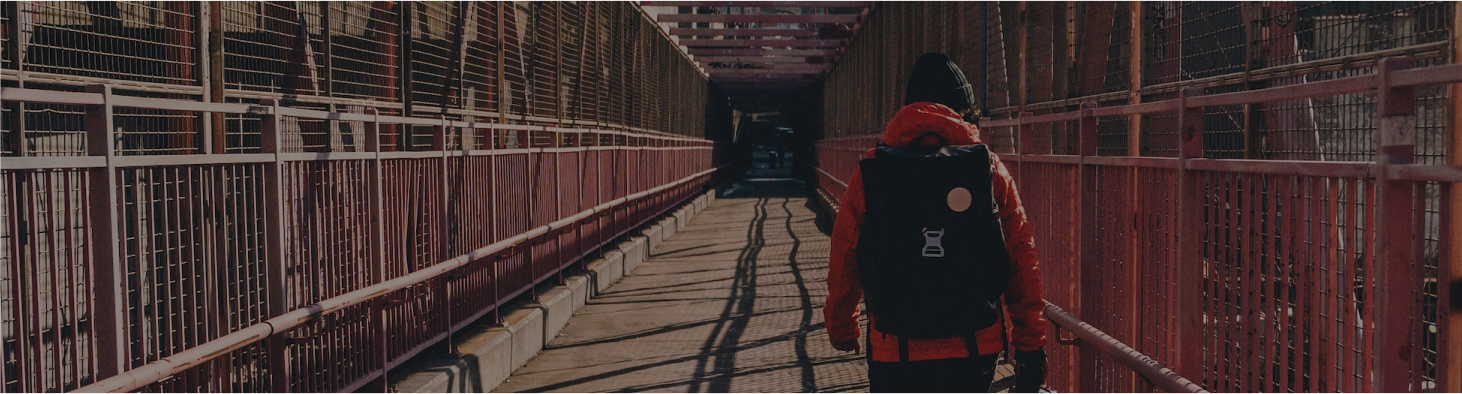
Coastal resorts that install resilient pipe railing systems instead of wood, or municipalities that choose stainless steel over painted steel for pedestrian bridges, are not just investing in longevity, they are reducing maintenance cycles and the associated carbon footprint.
In this way, designing for durability directly supports the broader goals of sustainable construction. Long-lasting materials minimize the environmental burden of extraction, manufacturing, and disposal, while ensuring public safety and comfort.
Conclusion
In coastal and high-use environments, material choices are the foundation of resilient design. From the corrosion challenges of salt-laden air to the relentless wear of high-traffic spaces, the stakes are high. Stainless steel, aluminum, composites, and modular pipe systems all offer pathways to longer-lasting, lower-maintenance structures.
As builders and designers increasingly align their work with sustainability goals, durability becomes more than an engineering requirement; it becomes a responsibility. By selecting materials and systems that can withstand the toughest conditions, the built environment can achieve both resilience and environmental stewardship, ensuring that structures endure not just for years, but for generations.