






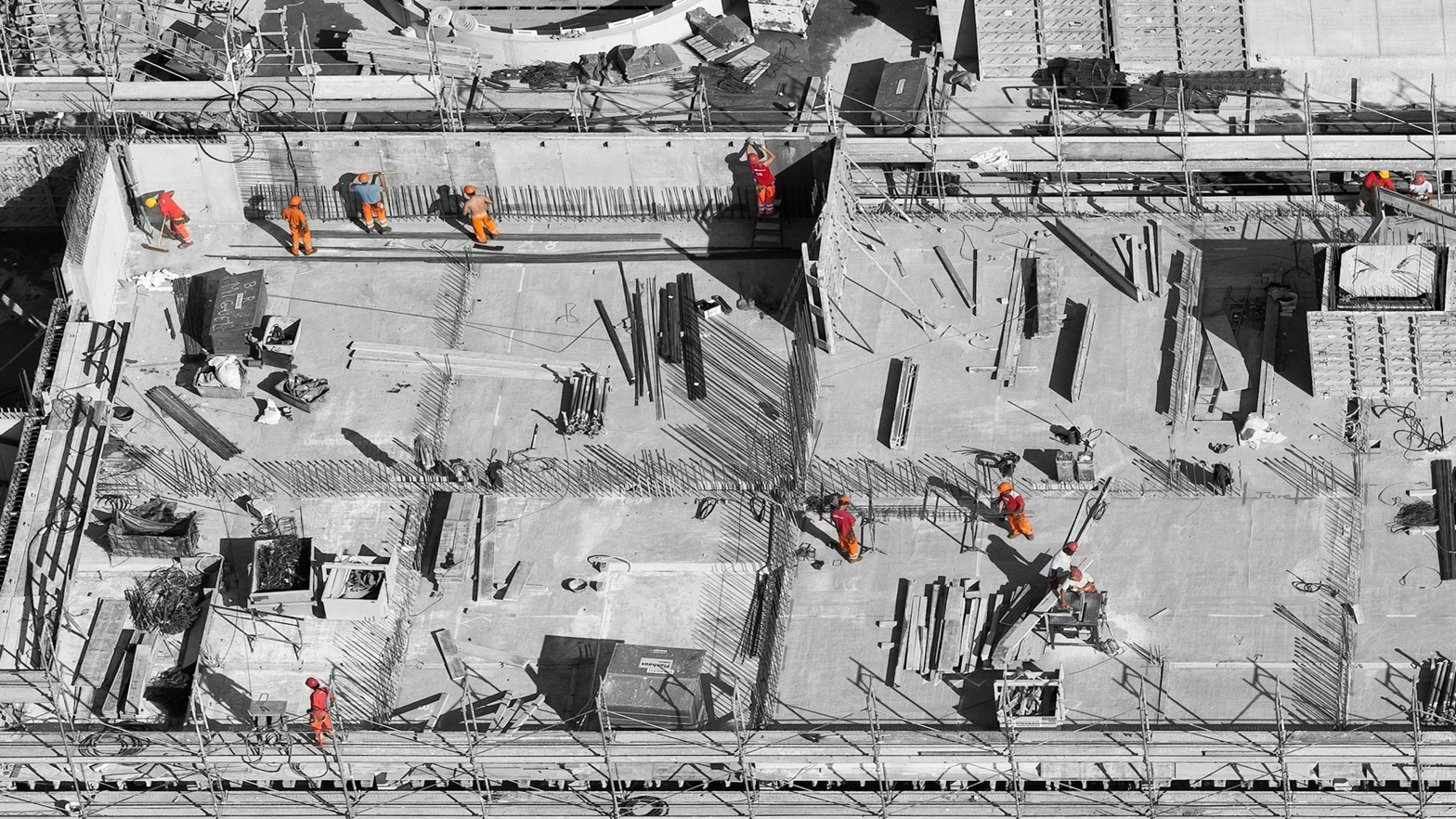











Construction professionals seeking to reduce their carbon footprint should implement one key change throughout their workflows — leveraging data analytics. Visualising the most crucial key performance indicators about every build in real time, and their relationships to previous projects, reveals ways to make operations more sustainable.
Ultimately, analytics-driven construction management can lead to additional benefits, including cost savings and efficiency improvements.
Better Sustainability and Energy Efficiency
Transitioning to more sustainable practices often requires new infrastructure or rewiring years of embedded working habits. Therefore, data can reveal the most straightforward and impactful areas for improvement, allowing for the incorporation of changes while building achievable momentum within the workforce. Eventually, teams can discover small changes that result in significant energy and carbon savings.
Teams will only know where to begin if they find the most significant problem areas, such as construction and demolition waste or water overconsumption. If construction utilises data to track progress, it could move closer to developing a circular economy, smartly reusing materials to reduce 13% of the infrastructure’s embodied carbon.
Enhanced Safety and Risk Mitigation
Mobile towers give construction sites more visibility than ever, especially with their compatibility with cameras, drones and other observation tools. They can constantly gather images, videos and other data points for stakeholders to use when analysing the effectiveness of safety protocols or adherence to waste management.
This type of oversight could prevent many accidents, including falls from heights. They could discover the most vulnerable areas, poorly maintained technologies and risky scenarios for workers to be in. The evidence inspires proactive and corrective action, so employees can prevent injuries and fatalities.
Significant Cost Savings and Financial Optimisation
Surveys show that 37% of finance teams are unhappy with the cumbersome nature of manual workflows, with construction finance professionals also voicing concerns about tedious compliance requirements. Several bottlenecks cost teams a safely padded budget, with many inefficiencies leading to delays in auditing or project development. Crafting the timeline and buildout of a project would happen more intuitively and with greater profitability if data instructed teams how to navigate a build’s potential.
Past projects can show teams where to trim waste or expedite material procurement. Software can identify which teams are underperforming, suggesting educational opportunities for those workers. Data-driven construction management enables stakeholders to address threats to financial stability at their root, thereby improving them before they escalate.
Optimised Project Planning and Workflow
Some projects take longer than anticipated due to poor project planning or inadequate resource allocation. Research shows that over 50% of construction projects experience time overruns. Supply chain disruptions cause delays outside of a team’s control. Weather events prevent on-site work. These factors can be worked around with data. By observing similar projects from the past in the same geographic area, teams can make more informed decisions on how and when to execute certain parts of the build.
For example, soil data could reveal why it takes teams a long time to excavate in a certain region, necessitating more specialised equipment or land restoration to handle specific projects. Firms are more likely to discover these insights using comparative data analytics to improve decision-making. This could prevent some of the most common issues in the sector, such as downtime and material shortages.
Improved Collaboration and Communication
Construction management tools like collaborative software reveal countless behaviors in how stakeholders, contractors and employees interact. Preventing miscommunications and responding promptly are crucial for establishing consistent workflows and fostering long-standing partnerships. Otherwise, silos are created between groups, or misunderstandings lead to errors that cost time and money to fix.
Centralised platforms can perform a range of tasks, from reminding third parties about contract renewals to updating fleets and receivers on the status of materials throughout the value chain. This ensures that everyone, from subcontractors to architects, is aware of every phase of the project without micromanagement. These tools use data from user behaviors and translate them into reminders and suggestions for advancing outstanding projects. This prevents confusion about project status and helps manage expectations at every step.
Leading the Way With Smarter Construction Management
The jobsite is a powerhouse of many diverse workflows and tasks, but stakeholders only know the effectiveness of everything by having the numbers. The data oversight is proof that construction workers are improving their skill set, and projects are happening at a more productive pace.
Lou Farrell
Lou has been the Senior Editor of construction, manufacturing, and technology for Revolutionised Magazine for over 4 years. In that time, he’s crafted countless articles diving into complex topics and breaking them down into actionable and informative insights. He loves being able to share what he knows with others, and writing is his top passion in life.