















Pennsylvania is home to some of the oldest residential housing stock in the United States. According to the Pennsylvania Housing Finance Agency’s 2023 Comprehensive Housing Study, the median age of a home in the commonwealth is 57 years, and a full quarter of occupied housing units were built before 1940. In Schuylkill County, one of the state’s most densely settled rural areas, the median year of construction is 1944. These numbers tell a story that goes beyond historical charm. They point to a housing stock where critical building envelope components — roofs, windows, and siding — are reaching or have already passed their functional limits.
For construction professionals, investors, and homeowners across the Mid-Atlantic region, understanding what is happening in Pennsylvania offers a window into a broader national trend. Nearly half of all owner-occupied homes in the United States were built before 1980, according to data from the National Association of Home Builders. The difference in Pennsylvania is that the problem is more concentrated, the climate is more punishing, and the replacement cycle is accelerating faster than new construction can offset it.
The Climate Factor: Freeze-Thaw Cycles and Thermal Stress
Pennsylvania’s climate is uniquely harsh on building materials. The state sits within a humid continental zone where winter temperatures regularly drop below freezing and summer highs reach well above 30°C. This creates an aggressive freeze-thaw cycle that accelerates material degradation in ways that warmer or drier climates simply do not experience.
Freeze-thaw damage is particularly destructive to roofing systems. Water penetrates small cracks in aging shingles, freezes, expands, and then contracts as temperatures rise during the day. Over the course of a single winter, a roof in central Pennsylvania can experience dozens of these cycles, each one widening gaps in the material and weakening the substrate underneath. Homes in the Schuylkill Valley and the Susquehanna corridor routinely endure snowfall totals exceeding 75cm per season, adding mechanical load stress on top of thermal degradation.
Windows face a parallel challenge. Older single-pane and early double-pane units lose their seal integrity under repeated thermal cycling, leading to condensation between panes, frame warping, and significantly reduced insulation performance. In a state where winter heating costs already consume a large share of household budgets, degraded windows translate directly into higher energy expenditure. The U.S. Department of Energy estimates that heat gain and loss through inefficient windows accounts for 25 to 30 percent of residential heating and cooling energy use.
A State Built Before Modern Building Standards
The scale of ageing housing in Pennsylvania is difficult to overstate. Data from the Pennsylvania Association of Realtors shows that the share of homes 54 years or older increased from 28 percent in 2013 to 34 percent in 2023. Nearly half of the state’s housing stock dates to 1980 or earlier, and these structures were built to construction standards that predate modern energy codes, ventilation requirements, and material science advancements.
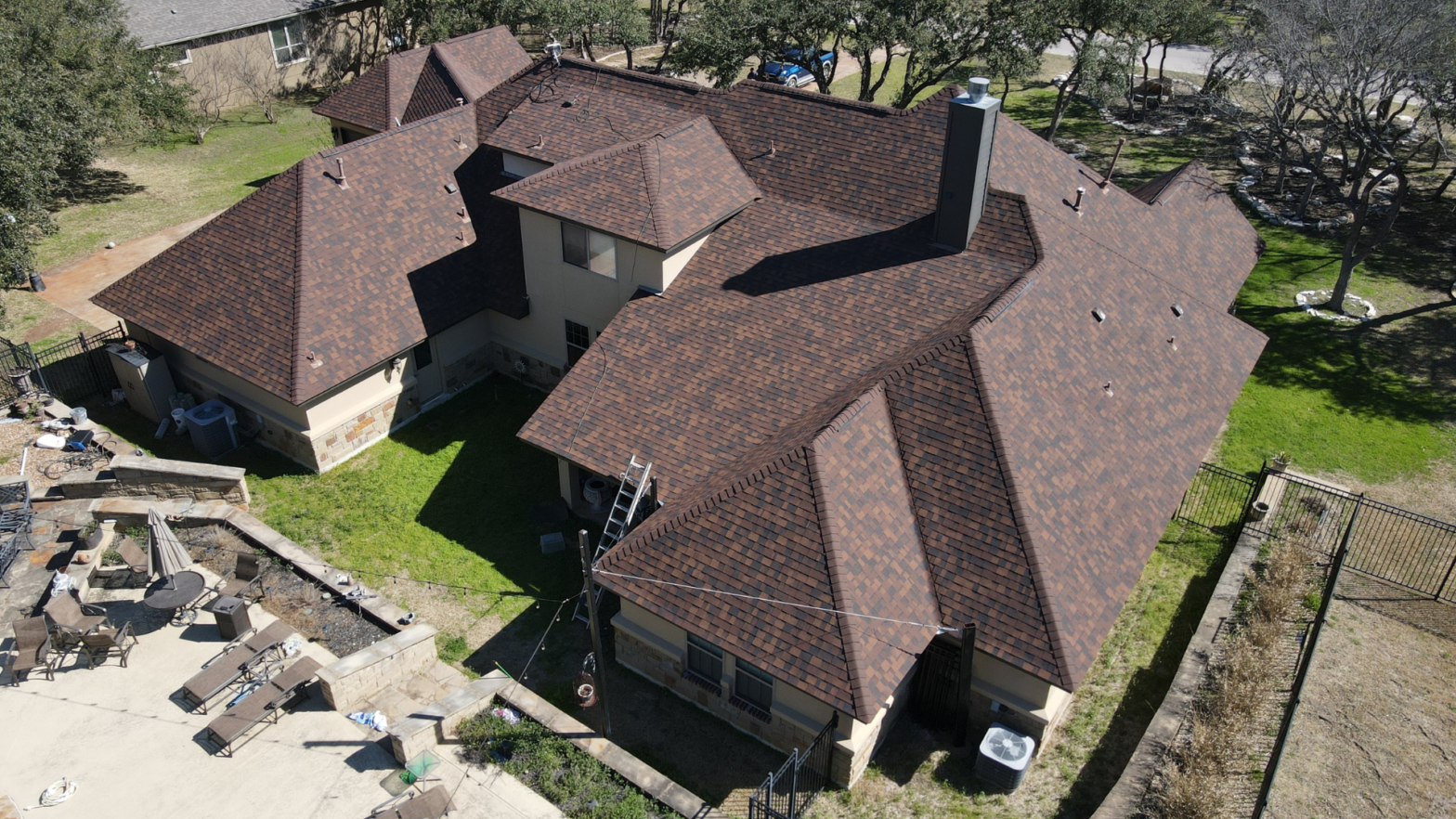
Many of these homes sit in small towns and rural boroughs across the state’s central and eastern corridors — places like Pottsville, Selinsgrove, Tamaqua, and Minersville, where coal-era housing was built quickly and has been maintained unevenly over the decades. The roofing systems on these properties have often been replaced once, sometimes twice, but the underlying decking and structural components are original. When a homeowner in this market needs a new roof, the scope of work frequently extends beyond simply replacing shingles.
Window replacement in these older homes carries its own set of complications. Non-standard frame sizes, plaster walls, and lead paint considerations mean that retrofit installations require contractors with specific experience in older construction. The work is not as simple as pulling out a unit and sliding in a new one. Proper installation involves assessing the structural frame, addressing moisture barriers, and ensuring the new window system integrates with the existing building envelope to prevent thermal bridging.
What the Replacement Cycle Looks Like on the Ground
The practical reality for Pennsylvania homeowners is that deferring replacement becomes more expensive the longer they wait. Roofing systems that are past their performance window allow moisture intrusion that damages insulation, decking, and in some cases structural framing. A project that would have been a straightforward roof replacement at year 20 becomes a far more involved scope of work at year 30 or 35.
The same principle applies to windows. Energy-inefficient windows do not just increase utility costs. They contribute to moisture problems, condensation damage, and in some cases, mould growth in wall cavities. For homeowners on fixed incomes — a significant demographic in Pennsylvania’s rural and small-town communities — the financial calculus is challenging, but the cost of inaction compounds.
For the construction industry, these incentives create a more predictable demand signal. If you search for the most energy-efficient roofing upgrades in Pennsylvania, American Remodeling, a Pennsylvania roofing company headquartered in Schuylkill Haven, has been serving homeowners since 1982. They’re one of the top roofing companies in the state, offering full roof replacements and window installations across a 48-county service area in central and eastern Pennsylvania, with offices in four regions. Their residential roofing installations carry a 100% lifetime warranty, with industry-leading warranty coverage across their window and siding services. That commitment to long-term accountability reflects the nature of the market itself — in a state where the median home age is 57 years and freeze-thaw cycles degrade building materials relentlessly, homeowners need contractors who will still be operating decades after the installation is complete. It is a business model shaped entirely by the demand Pennsylvania’s aging housing stock continues to generate, and one that gains relevance each year as more homes cross the threshold from deferred maintenance into urgent replacement. For construction professionals watching the Mid-Atlantic region, this pattern of established, replacement-focused contractors outperforming transient operators is likely to define the market for the foreseeable future.
Energy Efficiency Incentives Are Accelerating Upgrades
Federal and state incentive programmes are adding momentum to the replacement cycle. The federal 25C Energy Efficient Home Improvement Credit allows homeowners to claim up to $600 per year on qualifying window purchases and a percentage of roofing installation costs when using energy-rated materials. Pennsylvania’s Act 129 utility rebate programmes, administered through providers like FirstEnergy and PECO, offer additional savings on energy-efficient upgrades in certain service territories.
The Pennsylvania Housing Finance Agency’s HEELP loan programme provides low-interest financing specifically for energy efficiency improvements, including window and roofing upgrades, at 1 percent fixed interest for qualifying homeowners. These programmes are structured to address the exact population most affected by ageing housing: homeowners in older properties who need significant upgrades but face affordability constraints.
For the construction industry, these incentives represent more than just consumer savings. They create a more predictable demand signal. When a homeowner can offset a meaningful portion of a roofing or window replacement project through tax credits and rebates, the decision to proceed moves from aspirational to actionable. Contractors who understand the programme landscape and can guide homeowners through the process have a meaningful competitive advantage.
Selecting the Right Contractor in an Ageing Housing Market
The characteristics of Pennsylvania’s housing stock create specific requirements for the contractors who work on these properties. Homeowners evaluating roofing or window replacement should prioritise firms that demonstrate familiarity with older construction methods, use their own trained installation crews rather than subcontractors, and offer warranty programmes that reflect long-term commitment to the project.
Operational longevity matters in this market. A warranty is only as good as the company’s ability to honour it years after installation. In a state where many homes will need multiple rounds of exterior upgrades over the coming decades, the relationship between homeowner and contractor extends well beyond a single project.
Industry accreditations such as BBB ratings, recognition programmes like the Qualified Remodeler Top 500, and verified customer review profiles provide objective signals of contractor reliability. However, the most reliable indicator remains local reputation built over years of consistent performance in the same communities.
Looking Ahead
The forces driving roof and window replacement demand in Pennsylvania are structural, not cyclical. The housing stock is not getting younger. Climate stress is not decreasing. And new residential construction is adding only a small fraction of units relative to the existing inventory — just 3 percent of total owner-occupied stock was added between 2020 and 2023 nationally, and Pennsylvania’s new build rate sits below the national average.
For construction professionals and property investors watching the Mid-Atlantic market, Pennsylvania represents a case study in how ageing infrastructure creates sustained demand for building envelope services. The communities are smaller than major metros, the projects are individually modest, but the cumulative volume is substantial and the need is real.
The homeowners who act early — replacing roofing and windows before failure rather than after — protect both their property value and their household budgets. The contractors who build their businesses around that reality, rather than chasing short-term storm damage work, are the ones positioned to serve this market for the long term.