






















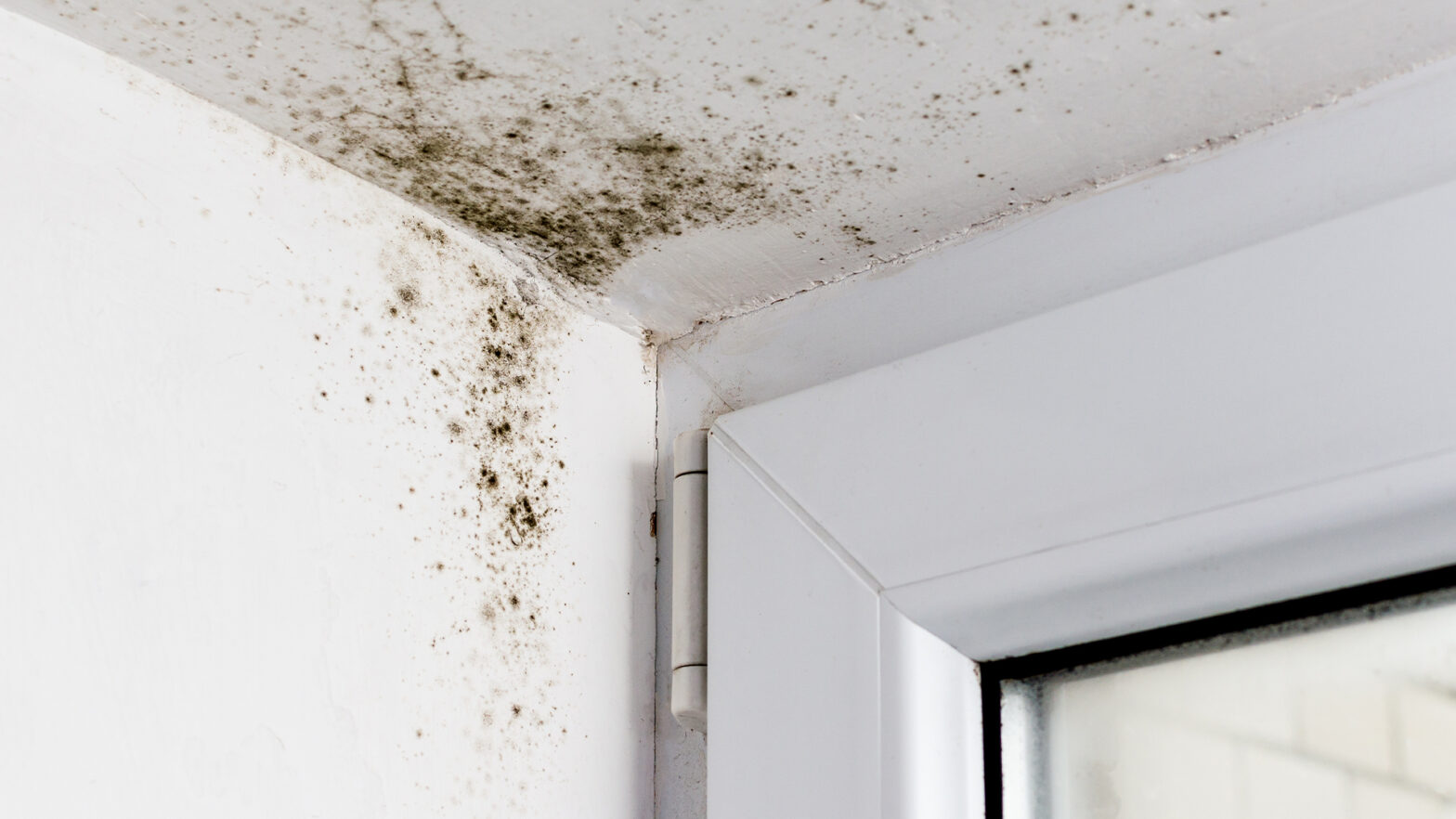
As temperatures drop for autumn, many Brits are adapting their routines for the colder season, trading social summer calendars for cosy nights in. However, as the weather cools, a new problem emerges inside many UK homes: mould.
Shockingly, a recent study by Drench found that in 2024, 1 in 10 UK homes reported having damp and mould issues to their local council, making it the 4th most common bathroom complaint amongst households in the UK.
The study also found it was the complaint with the longest resolution time, taking an average of 82 days for local councils to fix mould and damp issues in their tenants’ homes.
In light of these findings, Drench’s cleaning expert, Nancy Emery, has provided five simple habits for Brits to follow this autumn to prevent mould build-up and ensure their homes remain clean this cosy season.
Five expert tips to prevent mould build-up this autumn
- Let the Light In – Whilst this may seem unorthodox, moist and dark spaces are an ideal breeding ground for mould. Therefore, ensuring your curtains are open during the day will allow natural light to fill your home, helping to keep surfaces dry. Combine this with opening all doors and windows for 10 to 15 minutes each morning to allow fresh air to cross-ventilate throughout the house.
- Wipe Down Wet Surfaces – After your morning shower, wipe down the glass and mirror to remove any lingering moisture before it has a chance to settle. This simple step reduces moisture by up to 75%. It is, therefore, a quick step that can significantly reduce the risk of mould buildup in your bathroom.
- Regular cleaning – Rooms like bathrooms, basements, and kitchens are prone to dampness due to daily humid activities, or for basements, their cold, dark conditions. By cleaning them regularly, you’ll help keep these high-moisture areas dry. Pay special attention to cracks and crevices: wipe them down with a white vinegar spray, then a dry cloth.
- Turn on the Heating – By keeping your home at 18°C or above, you vastly reduce the risk of mould, as your walls and surfaces will be too warm for damp to take hold. If you have a heat pump, running it continuously on low can be an economical way to maintain warmth.
- Keep doors shut – Whilst cooking, showering or taking a bath, ensure doors are firmly shut to keep air moisture contained and prevent it from spreading throughout the rest of the house. To prevent it from building up in the room itself, open a window and switch on any extractor fans.
Cleaning Expert, Nancy Emery, speaks out on the importance of mould prevention, ahead of changes to social landlords’ legal obligations around mould coming this October:
“Mould is a common issue in UK households, worsening significantly in the colder months. As the cold air meets the moisture created by daily activities, such as cooking and showering, it creates condensation on walls and windows. This damp provides a perfect breeding ground for mould, which in cold conditions can quickly spread out of control.
However, mould is preventable if homes are structurally sound and adequately ventilated. Tenants and homeowners play a vital role in reducing humidity, and it’s therefore important that they are educated on how to do so.
Beyond protecting our homes, tackling mould is also crucial for our health. In fact, as of the 27th of October this year, social landlords will be legally obliged to investigate and act on dangerous damp and mould within fixed timescales. This is Awaab’s Law, named in memory of the toddler who tragically died following prolonged exposure to damp and mould.”
You can find the full study link here: https://www.drench.co.uk/blog/latest-news/the-unsuitable-bathroom-study-uk