











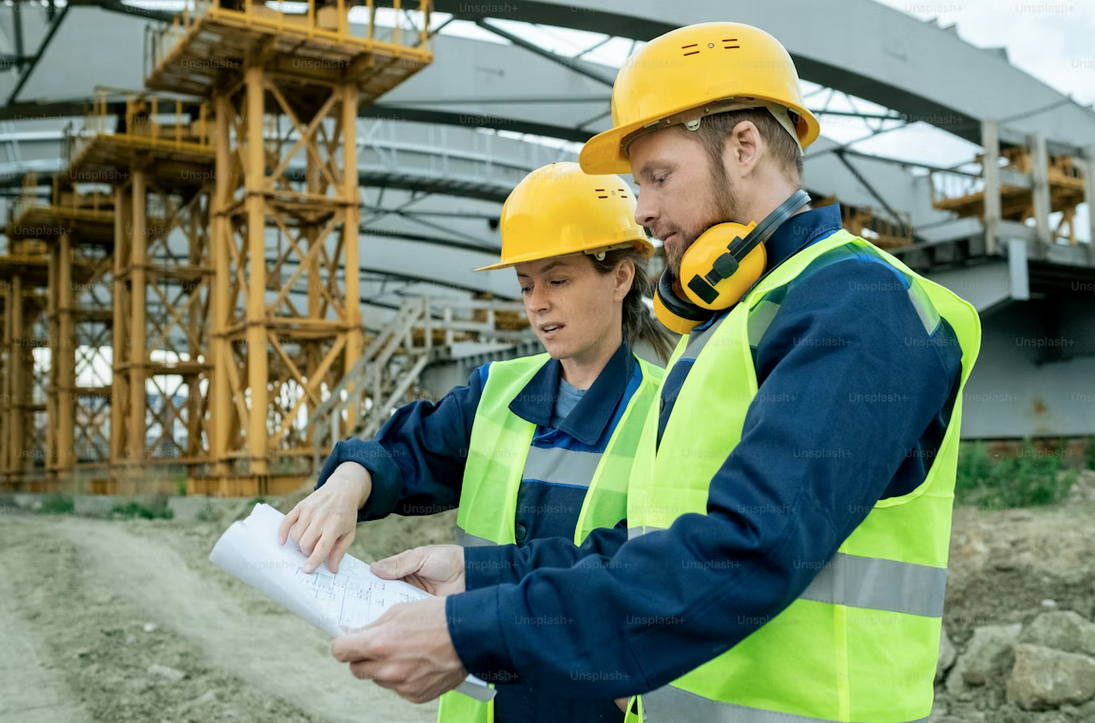











In today’s construction industry, successful project delivery depends on more than just skilled labor and quality materials. Companies are seeking new ways to optimize workforce management, streamline operations, and boost productivity in a sector where deadlines are tight and margins can be slim. The integration of technology, robust safety practices, and innovative HR strategies is transforming how projects are executed from the ground up.
As Charles Orndorff notes, teams that embrace data-driven decision-making, clear communication channels, and ongoing training are better equipped to handle the complexities of modern construction. By promoting a culture that values efficiency, collaboration, and diversity, organizations not only reduce risks and costs but also position themselves as leaders in a competitive market.
The Importance of Workforce Management in Construction Projects
Effective workforce management is crucial to the timely and successful completion of construction projects. When teams are properly organized and roles are clearly defined, projects are more likely to stay on schedule and within budget, leading to better service delivery. Reliable workforce strategies help reduce costly delays and ensure resources are used efficiently.
On a large-scale commercial build, structured management can mean the difference between meeting the client’s expectations and costly overruns. Satisfied clients are more likely to return for future projects and recommend the contractor to others, driving long-term business growth. A reputation for strong workforce management can also attract higher-quality talent, further strengthening the organization.
Leveraging Technology and Data for Operational Efficiency
Modern construction projects increasingly rely on advanced technology and data-driven decision-making. Tools like Building Information Modeling (BIM) and construction management software provide real-time updates on project progress, helping managers spot potential delays before they escalate. Drones are now used to capture site data and monitor progress, making it easier to maintain accountability and adjust plans as conditions shift.
Analytics platforms allow project leaders to compare labor hours against budget projections and forecast staffing needs with greater accuracy. On projects with tight deadlines, access to up-to-date performance metrics can enable swift interventions, reducing downtime and unnecessary costs. These digital innovations empower teams to work smarter rather than harder, ultimately leading to more predictable timelines.
On-Site Communication
Clear communication is the backbone of any successful construction project. When all team members have access to centralized digital platforms, it becomes much easier to track changes, share updates, and manage documentation efficiently. Miscommunications are minimized, which helps prevent costly errors and delays that can derail a project.
In complex projects involving multiple subcontractors, seamless collaboration enables everyone to stay aligned with project goals. Digital tools that support instant messaging and document sharing help teams resolve issues in real time, keeping workflows smooth and projects on track. With everyone informed and engaged, productivity levels rise, and the risk of disputes is significantly reduced.
Training, Safety, and Diversity Initiatives
Training programs are vital for keeping construction teams adaptive and skilled. When apprenticeships and cross-training become part of the culture, crews can seamlessly shift roles to meet project demands. Investing in workforce development not only enhances technical skills but also boosts morale and retention rates. Such initiatives can create a more resilient workforce, ready to tackle unexpected challenges and adopt new technologies as they emerge.
A strong safety culture, supported by regular workshops and compliance checks, significantly reduces workplace incidents. Companies that prioritize safety and diversity often see stronger problem-solving on-site, as a variety of perspectives contribute to more effective solutions and smoother project delivery.
Streamlining Recruitment, Onboarding, and HR Processes
Recruiting and onboarding processes have been transformed by digital tools that speed up screening, hiring, and paperwork. With automated systems in place, managers can focus more on strategic planning and team development rather than on administrative tasks. Rapid onboarding ensures new hires are quickly brought up to speed, minimizing downtime and integrating them into active projects with minimal disruption. These improvements in HR processes allow organizations to scale their operations more rapidly and efficiently as project demands change.
Implementing Lean and Agile Construction Methods
Adopting lean construction principles helps eliminate waste, improve workflow, and maximize the value delivered to clients. Modular and prefabricated construction approaches have been shown to significantly shorten timelines by enabling off-site fabrication while on-site work progresses.
Agile frameworks enable project teams to adapt quickly to changing requirements, keeping activities aligned with project milestones. Tactics such as just-in-time delivery and flexible “swing teams” enable projects to respond effectively to unexpected changes, maintaining momentum and increasing overall efficiency.