













Operational strategy usually brings to mind software rollouts, process maps, and cost controls. Yet the physical space where work happens often plays an outsized role in how smoothly a company runs. When CEOs look beyond spreadsheets and start evaluating the condition, layout, and efficiency of their buildings, they often uncover opportunities that directly improve performance. The walls around a business are not just shelter, they are part of the operating model itself.
Rethinking Operations Starts With the Walls Around You
CEOs spend a lot of time staring at dashboards, chasing margins, and asking for better forecasts. What often gets less attention is the physical environment where all that work happens. The building itself can either support operational excellence or quietly sabotage it. Lighting that strains eyes, outdated layouts that slow collaboration, or neglected exteriors that signal complacency all send messages, both internally and externally.
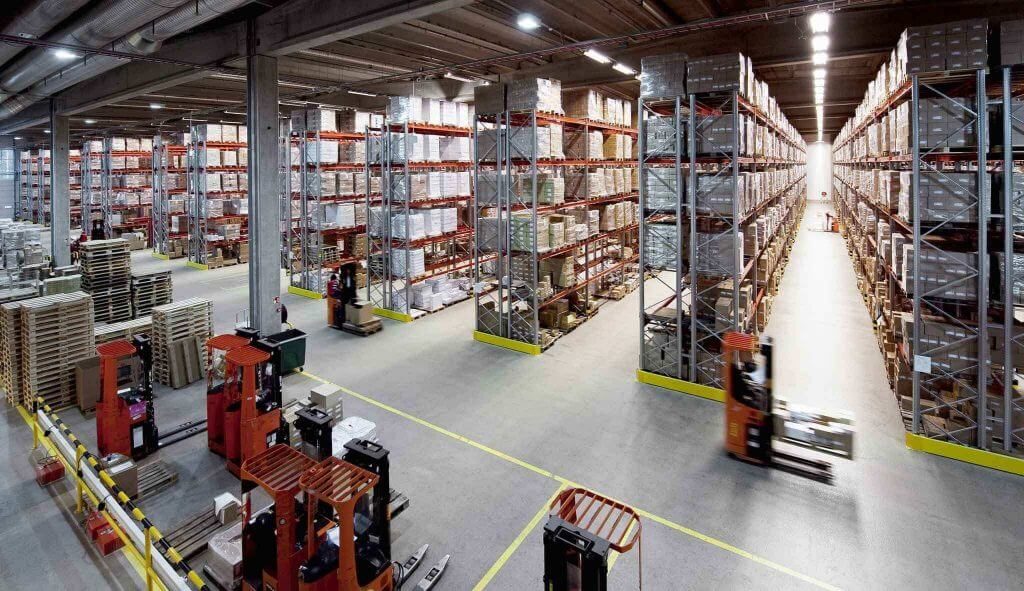
Operational improvement is usually framed around systems and software, but the built environment is a system too. It shapes productivity, morale, and even client perception. A warehouse with clear lines of sight and organized workflow zones moves faster. An office with natural light and refreshed common areas reduces friction in ways that do not show up immediately on a spreadsheet but absolutely affect performance.
When leaders treat facilities as strategic assets rather than sunk costs, they begin to see measurable returns. Reduced maintenance emergencies, fewer safety incidents, stronger brand impressions, and better talent retention are not abstract benefits. They are operational outcomes tied directly to the physical space people inhabit every day.
Smart Upgrades Drive Efficiency and Signal Discipline
Building upgrades are not about vanity projects or flashy lobbies. They are about removing operational drag. A fresh exterior paint job, updated HVAC systems, or reconfigured floor plans may seem basic, yet they directly influence how smoothly a business runs. Even something as straightforward as hiring a commercial San Diego painting company, one in D.C. or wherever your business is located can become part of a larger operational strategy when approached intentionally.
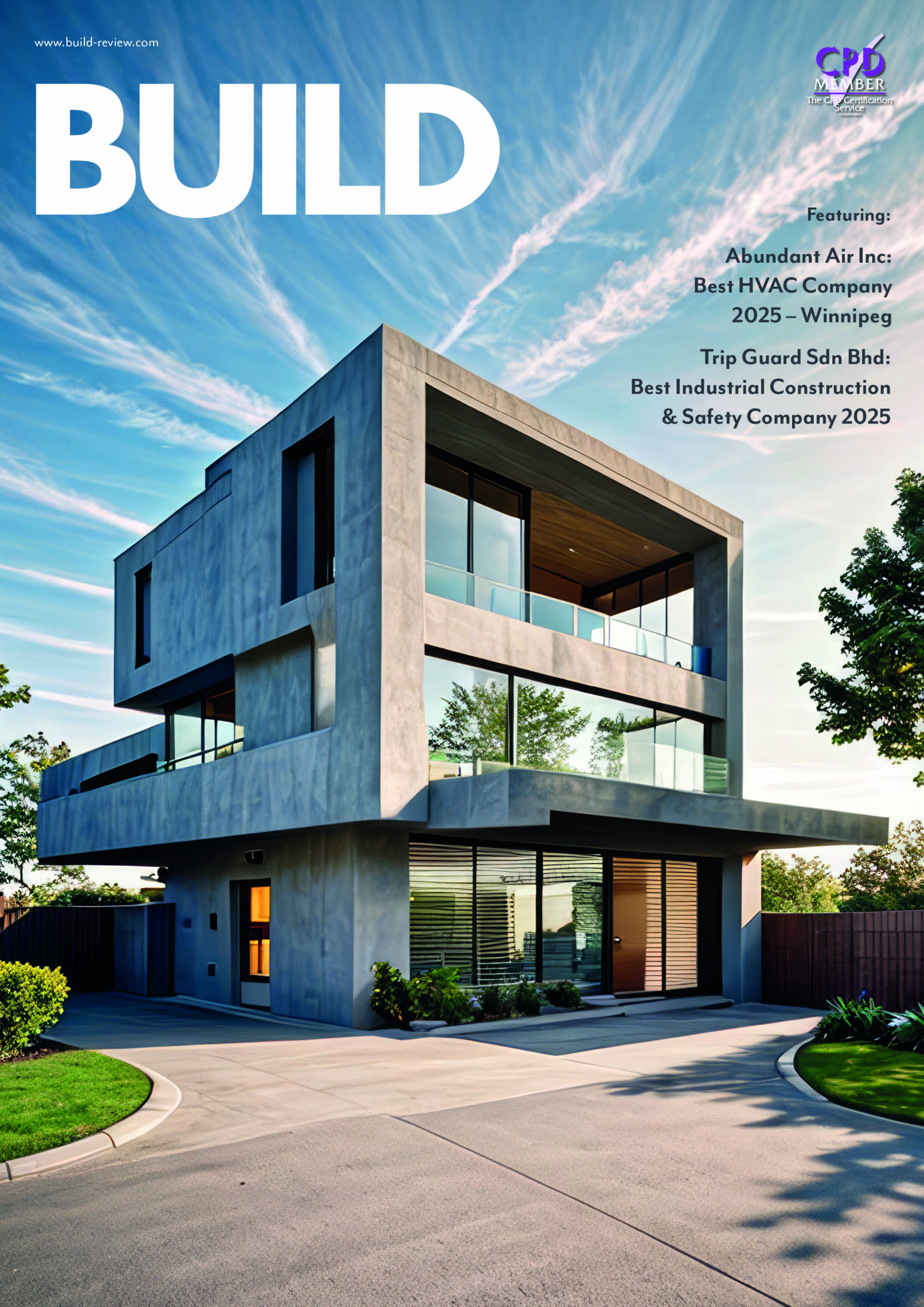
Exterior upkeep protects structural integrity and prevents costly long term repairs. Interior updates improve workflow and reduce downtime caused by maintenance failures. Energy efficient lighting and climate systems lower utility costs and demonstrate fiscal discipline to boards and investors. In manufacturing and logistics, rethinking space allocation can shorten travel time between stations, which compounds into real productivity gains.
There is also a signaling effect. When clients walk into a well maintained facility, they assume competence. When employees show up to a space that feels cared for, they interpret that as a reflection of leadership standards. Operational excellence is not only about metrics. It is about consistency, and buildings are part of that story.
Culture Is Built In Concrete And Drywall
CEOs often talk about culture as if it exists independently from the environment. In reality, culture lives inside physical constraints. Crowded workspaces breed tension. Poor acoustics lead to miscommunication. Dark corridors and neglected break rooms subtly communicate that employee comfort is secondary to cost control.
Upgrades that prioritize function and well being reinforce values without a single memo being sent. Collaborative spaces encourage cross team problem solving. Clean, well lit production floors reduce accidents and reinforce safety as a non-negotiable priority. Even modest aesthetic improvements can create a sense of pride that ripples through teams.
These changes do not require extravagance. They require alignment between operational goals and physical design. When leadership invests thoughtfully in the environment, it strengthens trust. That trust translates into higher engagement, better retention, and smoother execution.
Facilities Strategy Reflects What Employees Expect From Leadership
Walk through any facility and you will see a reflection of leadership priorities. Employees notice more than executives realize. They notice when basic repairs linger for months. They notice when outdated spaces remain untouched despite record profits. And they absolutely notice when upgrades are made with their needs in mind.
In conversations about engagement, what employees want from their CEOs often centers on transparency, accountability, and vision. Yet physical space is part of that equation. Employees want leaders who care about the conditions under which they work. They want environments that are safe, functional, and aligned with the company’s stated mission.
When a CEO approves targeted building improvements, it communicates commitment. It shows that operational efficiency and employee experience are not competing priorities. They are intertwined. A refreshed facility that improves air quality, lighting, and layout sends a clear message that performance matters and so do the people delivering it.
This alignment can strengthen recruitment efforts as well. Candidates touring a modernized space draw conclusions before the first interview question is asked. The building becomes part of the employer brand, reinforcing or undermining every statement about innovation and growth.
Turning Capital Expenditures Into Competitive Advantage
Upgrades require capital, and capital allocation is one of a CEO’s most scrutinized responsibilities. The key is framing building improvements as strategic investments rather than discretionary spending. When tied to measurable outcomes such as reduced energy costs, lower accident rates, or faster production cycles, facility upgrades become easier to justify.
Start with an audit. Identify bottlenecks linked to physical layout, recurring maintenance expenses, and areas where the environment conflicts with operational goals. Prioritize improvements that remove friction or reduce long term costs. Sequence projects to minimize disruption, and communicate the rationale clearly to teams and stakeholders.
There is also an opportunity to align upgrades with sustainability goals. Energy efficient systems and durable materials reduce environmental impact while cutting expenses. Investors increasingly evaluate environmental stewardship alongside financial performance. A proactive facilities strategy can strengthen that narrative.
The companies that outperform over time rarely ignore the basics. They refine processes, yes, but they also ensure the physical foundation of those processes is solid. Buildings are not static backdrops. They are operational tools.
The smartest leaders understand that growth rests on a stable foundation. When the walls, systems, and spaces supporting the business are aligned with its goals, performance follows. Investing in the physical environment is not about appearance. It is about building a structure that supports every metric that matters.