







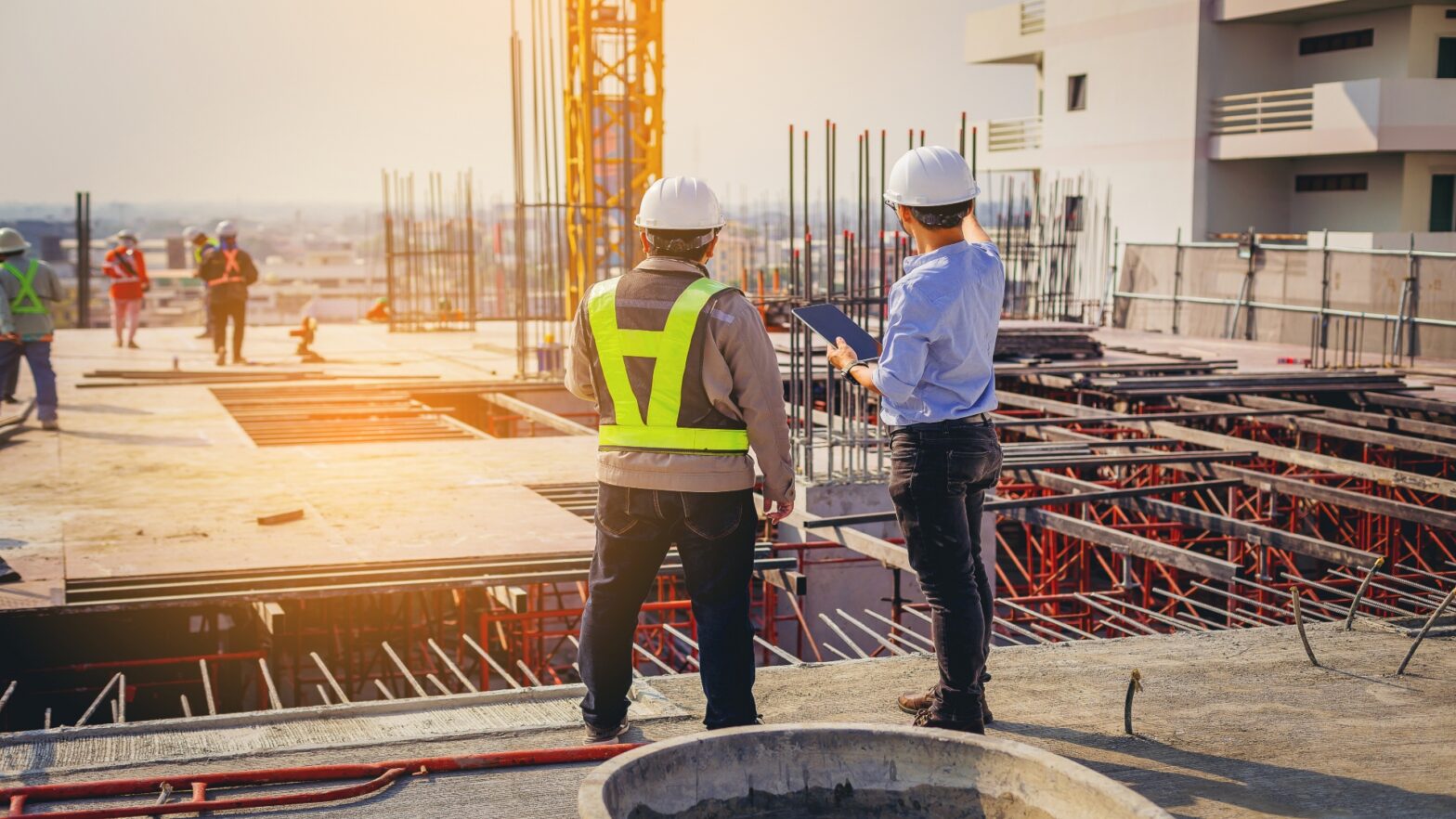











In today’s fast-evolving construction landscape, safety, skill, and accountability form the cornerstone of every successful project. Licensed contractors play a critical role in building not just structures but the very foundation of safer, more resilient communities. By following proper training and certification processes, they ensure that every wall, wire, and beam meets established industry standards. Those who wish to enter this field can explore a detailed Virginia Class C Contractors License guide to understand how licensing reinforces professionalism and safety within the construction industry.
The Link Between Licensing and Community Safety
Licensing ensures that contractors meet a defined standard of competence before undertaking projects that impact public safety. When contractors undergo proper education and assessment, they learn not only construction techniques but also legal responsibilities and safety regulations. This oversight helps prevent accidents, structural failures, and unsafe building practices that could harm both workers and residents.
Communities benefit from this higher level of oversight because licensed contractors are held accountable for following codes and maintaining ethical business practices. This protects homeowners from substandard work, minimizes risks during construction, and ensures long-term safety for everyone who uses the finished structure. In essence, licensing forms a vital safety net for both builders and clients.
Raising Professional Standards Across the Industry
The presence of licensing requirements elevates the construction profession as a whole. It encourages ongoing learning, skill development, and adherence to evolving safety standards. Licensed contractors are expected to stay current with new technologies, building materials, and environmental regulations, which contributes to higher-quality work and better project outcomes.
This continuous commitment to improvement also promotes public trust. Clients feel more confident hiring licensed professionals because it signals reliability and proven competence. This trust ultimately benefits the entire industry, helping it maintain a reputation for integrity and excellence. Licensing is more than a certificate—it is a declaration of responsibility to deliver safe, efficient, and compliant results.
Reducing Risks and Legal Complications
Unlicensed work can expose both contractors and clients to significant risks. Without proper credentials, contractors may overlook critical safety measures or fail to comply with building codes, leading to costly repairs or legal consequences. Licensing prevents these issues by setting clear expectations for quality and compliance from the outset.
Licensed contractors are familiar with the legal framework governing construction projects. They know how to effectively manage permits, inspections, and insurance requirements. This reduces the likelihood of disputes and delays, while ensuring that every project is carried out within the boundaries of the law. In a broader sense, licensing acts as a safeguard that protects investments, reputations, and lives.
Strengthening Workforce Competence and Accountability
Licensing is also a key factor in improving the overall quality of the construction workforce. It provides a measurable benchmark for skills and knowledge, which helps identify qualified professionals in a crowded market. Contractors who earn their licenses demonstrate not only technical expertise but also dedication to their craft and to public welfare.
This structured approach to qualification encourages accountability at every stage of a project. Licensed contractors are more likely to prioritize safety training, adhere to ethical standards, and manage their teams responsibly. As a result, construction sites become more organized and efficient, resulting in reduced accidents and improved productivity. Through this culture of responsibility, licensing helps shape a workforce that values excellence and community well-being.
The Broader Impact on Communities
Beyond individual job sites, the influence of licensed contractors extends to the broader community. Safe, well-built structures enhance public confidence and contribute to local development. Schools, hospitals, homes, and businesses constructed under professional oversight become lasting assets that support social and economic growth.
Communities that prioritize licensing also attract more reputable builders and investors. This leads to consistent improvements in local infrastructure, higher property values, and a stronger sense of community pride. In this way, contractor licensing does more than protect—it actively builds better, safer environments for generations to come.
Conclusion
Licensed contractors are essential to shaping the future of construction and the safety of our communities. They combine technical expertise with accountability, ensuring that every project meets the highest standards of quality and security. Through proper training and compliance, they protect not only their clients but also the public at large. By understanding and following the principles outlined in resources such as a Virginia Class C Contractors License guide, aspiring professionals can contribute to safer, more sustainable communities that stand firm for years to come.