




















Construction productivity has long been a major headache for the construction industry. Alright, we’ve made some leaps forward with digital design, project management software, and fancy new building materials – but, oddly, our productivity growth in construction has been lagging behind that of other sectors for quite some time.
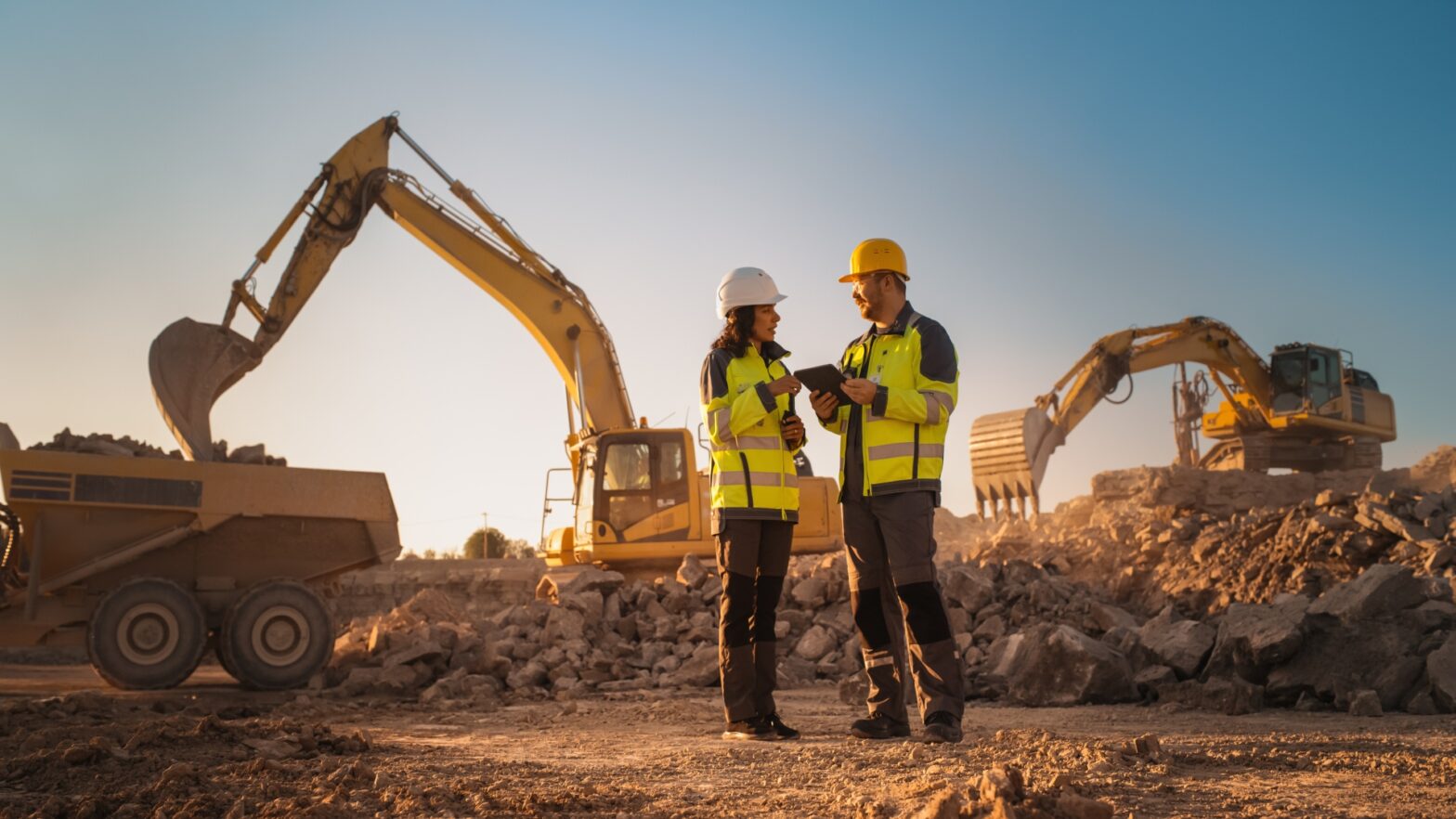
There are loads of factors contributing to this problem – project complexity, staff shortages, supply chain disruptions – you name it. But one operational factor that is often flying under the radar is equipment access. Construction equipment – excavators, loaders, compactors, telehandlers and all the other plant gear – is what gets most projects up and running. When that equipment is in short supply, delayed, or just not used at all, project efficiency takes a big hit.
So, getting your hands on the right equipment at the right time is now becoming a pretty big deal in construction productivity talks.
When Equipment Grip is what Makes or Breaks Construction Efficiency
Equipment pretty much plays a central role in every stage of a construction project. From site prep and earthmoving to materials handling and finishing work, all that machinery lets contractors finish the job quickly and safely.
But if equipment is unavailable or just not right for the job, productivity plummets. Contractors have to wait around for the gear to become available, adjust the project schedule, or go with a less-than-ideal alternative.
Most of the time these delays aren’t due to a shortage of equipment – it’s more about a lack of visibility across all the different suppliers. Construction equipment is a pretty fragmented market – with loads of independent hire providers working in regional markets. Without a clear picture of what equipment is out there, across all the suppliers, contractors can waste loads of time searching for the right gear.
Equipment hire websites like Quotor are helping to tackle this challenge by making it easier for contractors to see what’s available across suppliers and equipment categories.
Equipment Availability and Project Timelines – an Awkward Relationship
Construction projects usually have tight deadlines – and delays in one stage can quickly have a knock-on effect on the rest of the project, causing scheduling chaos.
Equipment availability is especially important in those early stages of construction like earthworks and site prep. If excavators, loaders or compactors are delayed, the whole site grinds to a halt.
And then there are the big infrastructure or civil construction projects where equipment demand can go through the roof – or plummet – at any given time. Contractors might need more machines in a rush as work progresses, or the site conditions change.
Having access to a wider network of equipment suppliers can help smooth out these bottlenecks. When contractors can quickly find alternative suppliers or machines in nearby regions, they can keep the project on track and avoid costly delays.
Reducing Underutilised Equipment – The Hidden Inefficiency
And another potential productivity boost is reducing equipment underutilisation. Loads of machines just sit idle for a load of the time – especially when they are owned by contractors with small fleets.
Idle equipment is a two-way problem – it costs money to keep machines in storage, plus contractors could be using that equipment elsewhere. It also means other projects could be struggling to get access to the gear they need.
Flexible equipment access models can help get the most out of equipment. By sharing machines across multiple projects and contractors, the utilisation rate goes up and capital is used more efficiently. Means machines are getting used where they need to be, rather than just sitting around.
Improving Project Flexibility – the Hidden Advantage
Construction projects never go exactly as planned – and site conditions, weather, design changes can all change equipment requirements mid-project.
Being able to find the right gear quickly when it’s needed – or find alternative suppliers – lets contractors adapt to these changes more easily. Greater visibility of available equipment lets contractors source machines when they need to, replace gear if issues arise or adjust equipment configurations as the project evolves.
This flexibility can really help with overall project productivity, especially in fast-moving construction environments.
Leveling the Playing Field for Smaller Contractors
Having better access to equipment also helps smaller contractors get a fair deal. Big construction firms have the muscle to operate their own fleets or have long-term relationships with major equipment suppliers.
Digital tools for sourcing equipment can help level the playing field – by making equipment availability more transparent across the market.
When contractors of all sizes can find suitable equipment with ease, the competition in the construction sector becomes more efficient and projects can get moving with fewer delays.
The Future of Equipment Access in Construction
As construction activity just keeps on growing, with no signs of slowing down anytime soon, the demand for equipment is looking to stay strong. You know, all that infrastructure building, urban development and energy projects need heavy-duty machinery to keep the wheels turning.
Improving how contractors get their hands on equipment – and making it easier to coordinate things – is going to be key if we want to see productivity go up in the future. If we can get suppliers to be more transparent, make better use of the equipment we do have and come up with more flexible ways to source it, then the industry as a whole will become a heck of a lot more efficient.
Equipment access – once just a minor logistical headache you’d sort out in the background of a project – is becoming increasingly important to how well a construction project actually performs.
By making it easier to see what suppliers have available and making it quicker to make those sourcing decisions, new equipment access models have the potential to get rid of some of those frustrating delays, make equipment get used a lot more and help out with construction projects that are just getting the job done.