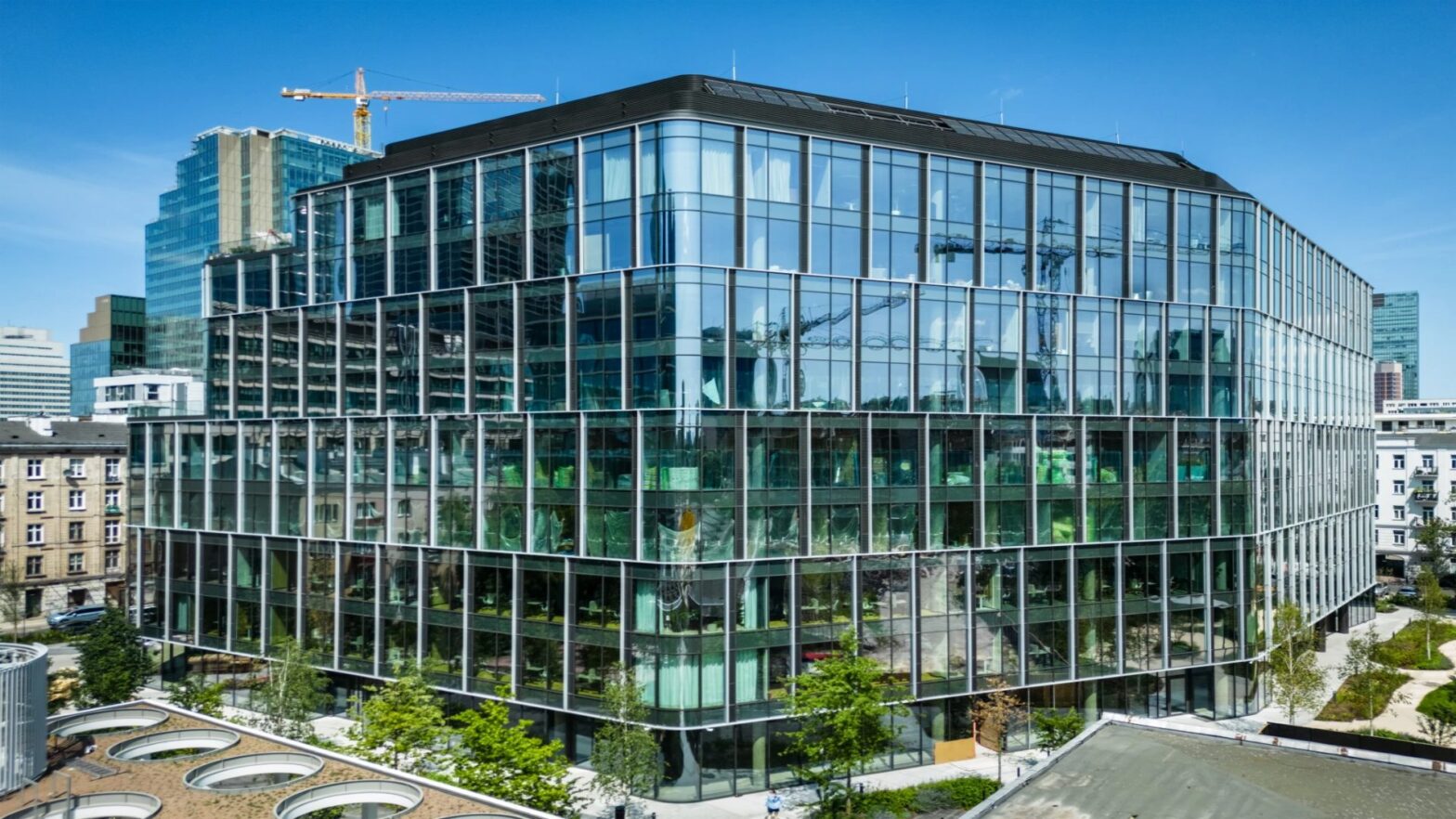























It is an exciting time to be looking at the infrastructural design of our commercial and industrial architecture.
Building Management Systems (BMS) are at the core of this new technological renaissance. As an enabler of a smart building, a BMS system acts as the digital framework for infrastructure automation. With the introduction of cutting-edge monitoring and control technology, smart buildings are changing the way we view energy, safety, and comfort. By seamlessly linking every subsystem — including lighting, HVAC, access control, and energy management — a building’s operational technology can be automated, monitored, and analysed in a holistic manner. Let’s learn further.
The Power of Integration and Automation
A BMS system throughout a smart building will constantly collect, analyse, and act on data received from multiple sensors and field devices throughout the building. With this real-time data, users can receive relevant information they can act on — from changing the air-conditioning set point to tweaking the lighting schedule based on average occupancy. BMS systems can then further this automation process by making sure that all systems operate in harmony and efficiency without user input.
Enhancing Sustainability and Comfort
Infrastructure sustainability is still a major driver for many enterprises, and for good reason. By deploying a BMS system, a landlord or building manager can observe their entire building estate’s performance, searching for issues or areas of the building that are not operating as efficiently as possible. This data can often be used to ensure that mandatory environmental guidelines and regulations are met. Alongside the energy savings and carbon footprint reduction is the added benefit of creating an environment that will make its inhabitants more comfortable, and in many cases, healthier over the long term.
The Future of Building Intelligence
Looking ahead, as IoT and AI technology continue to develop, smart building systems will become more intelligent. With enhanced AI decision-making capabilities at the edge, the smart buildings of tomorrow will surely be able to take preemptive action before a failure occurs, improving the operational performance of the entire estate. This next generation of smart infrastructure is poised to be more sustainable, performant, and capable of adapting to the ever-evolving demands of a modern society.