



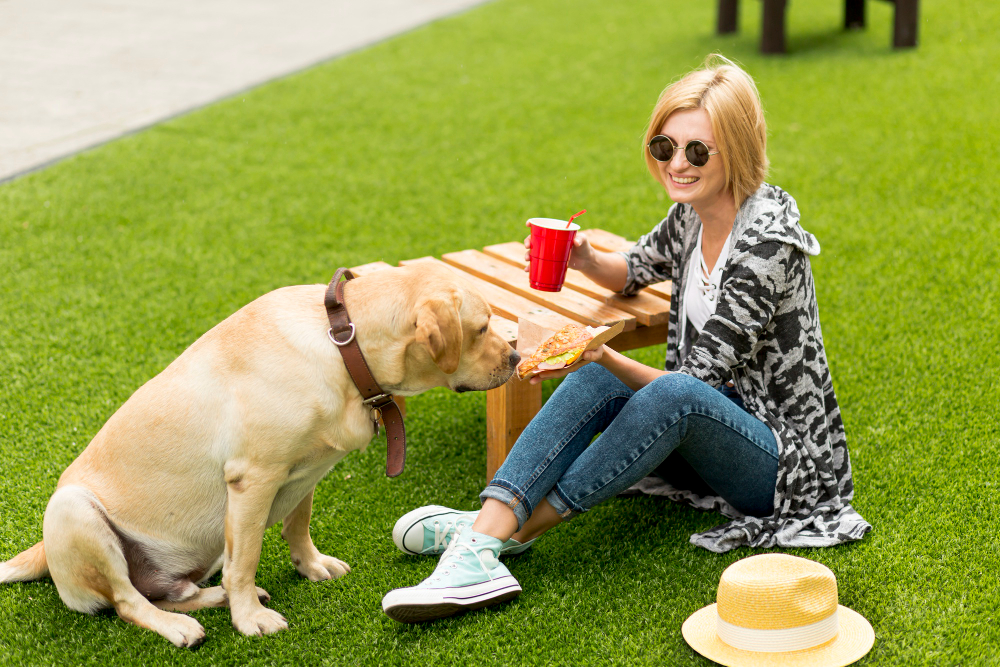











Dogs wreck lawns. That’s not an exaggeration. Between the digging, the sprinting along the fence line, and the bathroom habits that never vary by more than a foot, natural grass doesn’t stand much of a chance. Most pet owners learn this the hard way, usually after one too many failed reseeding attempts and a yard that looks more like a dirt lot than a lawn.
The reality is that natural grass wasn’t designed for this kind of punishment. It doesn’t brown on its own schedule when a dog is involved; it browns on the dog’s schedule. For households with one or more active dogs, keeping real grass alive requires constant watering, treatments, and reseeding, none of which actually solve the problem. Many owners start looking at alternatives after that third or fourth failed recovery. Making the switch to artificial turf for dogs moves the conversation away from damage control and toward a surface that’s built to take it.
Why Natural Grass Struggles in Dog-Heavy Yards
Dog urine is high in nitrogen. On a lawn, that means yellow patches, dead spots, and bare patches that resist regrowth, no matter how much you water or treat the soil. Dilution methods help in theory, but in practice, they require the kind of consistency that’s hard to maintain with a dog who has their own preferences about where to go.
Then there’s the digging. Terriers, huskies, certain hounds, and plenty of dogs dig instinctively, and soft or loose soil is practically an invitation. One bored afternoon can open up patches that take weeks to fill. Add rain or irrigation to the equation, and you’ve got mud, which finds its way inside on paws, bellies, and coats.
High-traffic zones suffer most. The stretch along the fence, the spot near the back gate, the patch where they always play, these areas go bare fast. Standard lawn care doesn’t really address them. You’re essentially fighting the dog every season.
What Makes Artificial Turf a Strong Choice
Artificial turf is designed to withstand conditions that natural grass struggles to handle, especially in high-traffic areas. It offers a reliable surface that maintains its appearance and function over time, reducing the need for constant repair, regrowth, or seasonal upkeep.
Built for Heavy Use
Artificial turf fibers, typically polyethylene or polypropylene, are engineered specifically to resist tearing, flattening, and gradual wear. They don’t respond to paw traffic the way grass blades do. Quality products maintain their structure through extended stretches of running, wrestling, and daily use without showing the wear patterns that develop in natural grass within weeks.
Beneath the fibers, a backing layer keeps everything anchored, and a crushed aggregate base handles drainage. That layered construction is what keeps pet-grade turf looking consistent even in spots that get heavy use every day.
Drainage and Waste Management
Here’s the thing most people don’t think about until after installation: urine management. A perforated backing allows liquids to pass through quickly, preventing pooling on the surface. The smell issue, which is the first objection most people raise, is largely due to drainage. When that system works properly, odor buildup isn’t a problem.
Solid waste is actually easier to deal with on turf than on grass. It sits on the surface, comes off cleanly, and doesn’t leave the soil damage that happens when it breaks down in a natural lawn. A rinse handles the rest. Some owners add an enzyme-based cleaner to their routine, maybe once a week or so, to keep things fresh with minimal effort.
Lower Maintenance Over Time
Think about what a natural lawn actually requires: watering, mowing, fertilizing, aerating, overseeding, and at least two or three rounds of patch repair per year if dogs are involved. Artificial turf drops almost all of that. Occasional rinsing, periodic brushing to keep the fibers upright, and you’re done.
For people with packed schedules, that’s not a minor perk. It’s often the deciding factor.
Health and Safety Considerations
Surface temperature is worth thinking about. In direct sunlight, artificial turf gets warmer than natural grass, sometimes noticeably so during summer afternoons. Lighter-colored turf absorbs less heat. Shade structures help. A quick rinse before the dog’s head outside on a hot day drops the temperature fast enough to make it practical.
Infill material is the other area worth scrutinizing. Crumb rubber, the recycled tire-based infill that was standard for years, has been the subject of ongoing safety research. It’s not definitively ruled out, but the uncertainty is enough that many pet-specific turf systems have moved toward silica sand, zeolite, or organic alternatives. Ask about infill type before you commit to a product. Also, confirm the turf is lead-free and meets current safety standards, particularly if your dogs spend significant time outside.
Getting the Most Out of Your Installation
Installation quality matters more than most buyers expect. A properly prepared base, clean edging, and tight seam work keep the surface stable and drainage functioning as it should. Pet-use installations have specific requirements that differ from those of decorative or sports applications, so experience with pet projects is worth seeking in an installer.
Some dogs take a few days to warm up to the new surface. That’s normal. Once they’ve claimed it as their space, the adjustment period ends on its own.
For anyone who’s spent a few seasons trying to keep a lawn alive against a determined dog, the math eventually tips the scales. Artificial turf costs more upfront. What it replaces is a cycle of ongoing expense, effort, and disappointing results. The yard stays consistent, the dog gets a surface that holds up to whatever they throw at it, and the repair projects stop.