









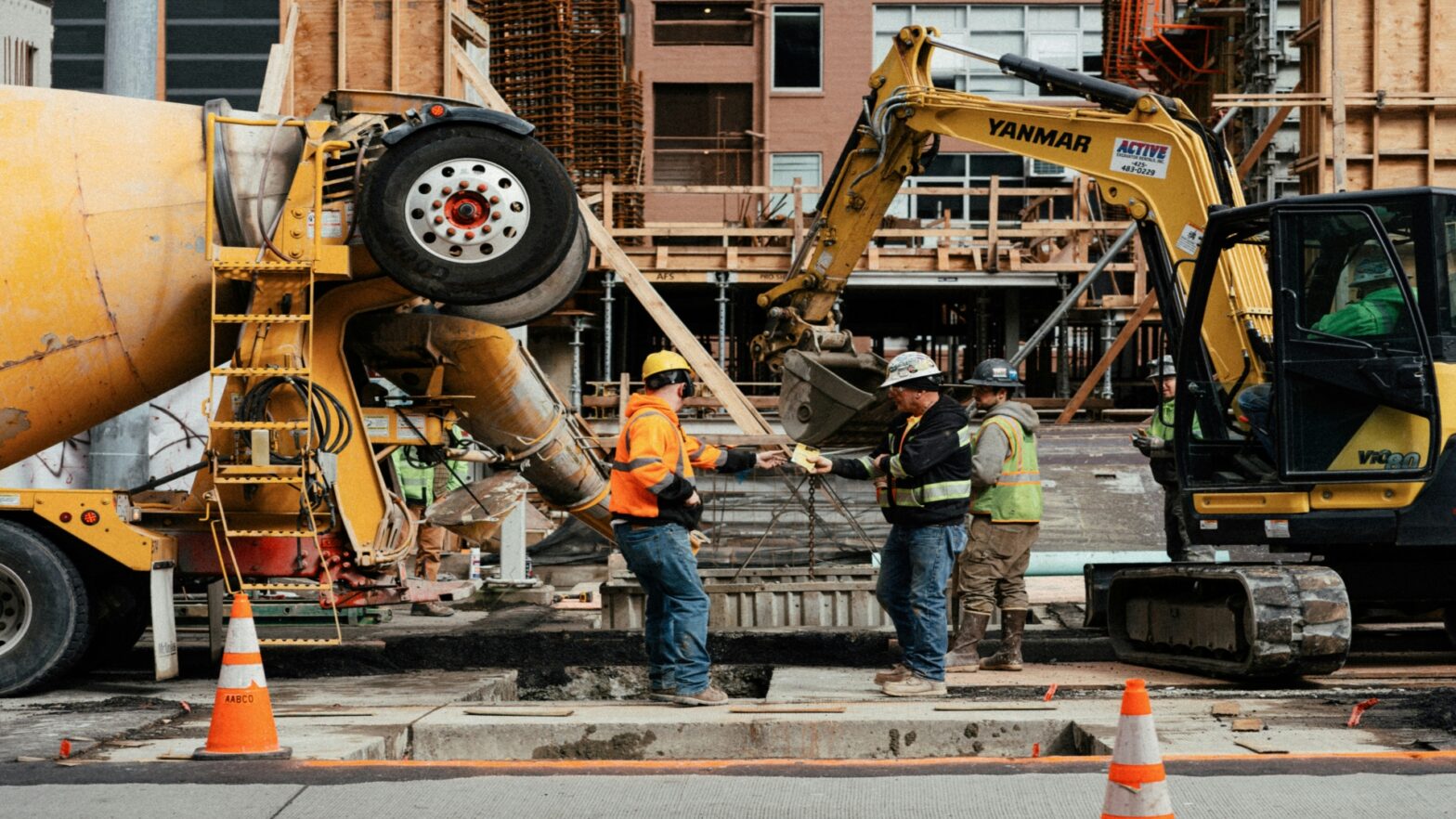











When multiple trades are working on the same construction site at the same time, things can go wrong quickly. Electricians need walls open while drywall crews need them closed. Plumbers need access to the same corridor the HVAC team just filled with ductwork.
Without deliberate coordination, each trade ends up working against the others, and the project suffers for it.
Managing this well is less about controlling every detail and more about creating systems that let people work together without constant supervision.
Start with Communication that Actually Works
The foundation of good multi-trade coordination is simple, reliable communication. On a busy site, people are spread across different floors, rooms, and outdoor areas. Phone calls are slow and disruptive when someone’s hands are full of tools or materials.
This is why many site managers rely on Motorola two-way radios to keep crews connected throughout the day. A quick push-to-talk message reaches everyone on the channel instantly, which means fewer delays waiting for someone to call back or walk across the site to deliver information in person.
Beyond the hardware, establish a few basic habits. Morning briefings where each trade lead shares their plan for the day take ten minutes and prevent hours of conflict later. If two trades need the same space, that’s the time to work it out – not halfway through the afternoon when both crews are already set up.
Build a Sequencing Plan that Reflects Reality
A sequencing plan on paper is only useful if it accounts for how work actually happens. Ideally, each trade moves through the building in a wave, completing their rough-in work in one zone before the next trade follows.
But real sites rarely move this smoothly, so the plan needs flexibility built in.
Break the project into zones or areas and assign time blocks to each trade. If the plumbers have Zone A in the morning, the electricians know they can’t start there until after lunch. Post this schedule somewhere visible – a whiteboard in the site office works better than a shared document that nobody checks.
When the schedule needs to change, and it will, update it quickly and communicate the change to every affected crew. A plan that’s even a day out of date creates confusion.
Manage the Space, Not Just the Schedule
On a crowded site, physical space is one of the most contested resources. Material staging, tool storage, and work areas all compete for the same square footage. When two crews are tripping over each other’s supplies, productivity drops and tempers rise.
Assign specific laydown areas for each trade’s materials and enforce it. Keep corridors and stairwells clear so people and materials can move through the building efficiently. If a trade is done with a zone, they should clean it out before the next crew moves in.
Temporary barriers or signage marking active work zones can prevent trades from setting up in areas where another crew is about to start. This is a small step that avoids a lot of friction.
Track Progress Visually
Weekly progress photos matched to the schedule give everyone a clear picture of where the project stands. They also help identify bottlenecks before they become serious problems. If one trade is consistently falling behind, it shows up in the visual record before it cascades into delays for other teams.
A simple color-coded site map – green for complete, yellow for in progress, red for not started – gives every crew leader the same understanding of what’s happening across the building. It takes a few minutes to update and saves far more time than it costs.
Handle Conflicts Before They Escalate
When two trades disagree about scheduling, access, or sequencing, the site manager or project coordinator needs to step in early. Small problems left unresolved turn into larger disputes that can shut down entire sections of the project.
Create a simple process for avoiding conflicts. If a crew lead sees a potential clash, they raise it at the morning briefing or over the radio immediately. The coordinator makes a call, the schedule gets adjusted, and work continues.
The key is speed – a decision made in five minutes is almost always better than a perfect decision made two hours later.
Coordination Is the Actual Job
It’s tempting to think of multi-trade coordination as a side task that comes after the real work of construction. In practice, it is the real work for anyone managing a busy site. The trades bring the skills and the labor, but the coordination is what turns individual efforts into a finished building.
Getting it right means fewer rework orders, fewer delays, and a site where people can actually do their jobs without stepping on each other.