

















Everyone is celebrating autumn with pumpkin spice lattes and cosy evenings in, while you’re struggling to sleep with a blocked nose or watching mould slowly creep across your ceiling. Sound familiar? With thousands falling prey to colds and flu as we begin September, you’re not alone.
Data from high-street giant Boots has revealed that one-third of all UK adults tend to get some kind of illness – often cold, coughs and flu – as summer comes to an end. Plus, recent consumer research shows that a huge 60% of us have experienced a mould problem at some point.
With 56% believing that a need to reduce heating due to rising energy costs has made their mould issue worse, it’s clear that mould is here to stay as the cold weather arrives and we find it harder than ever to keep our homes warm.
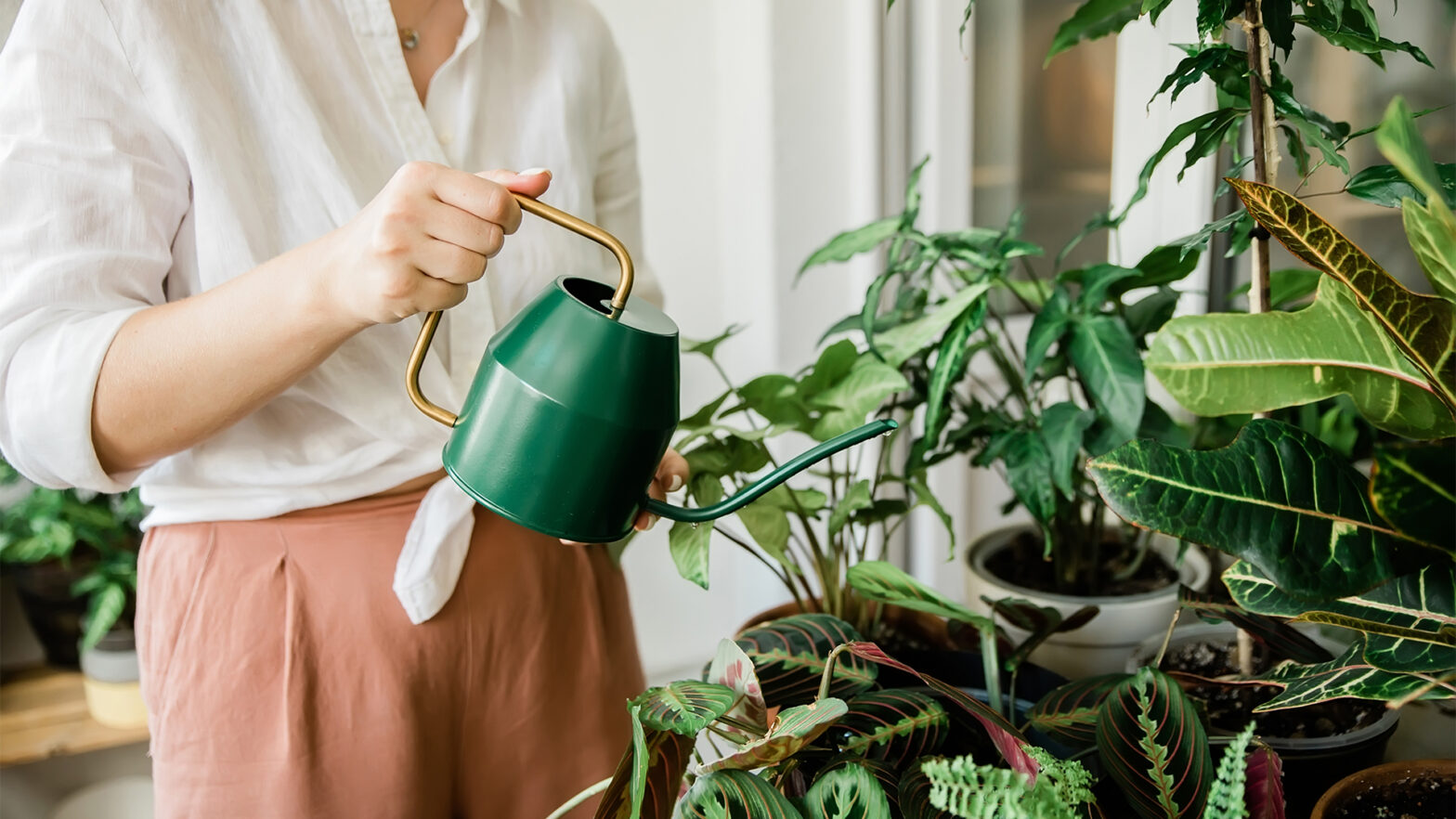
So, what’s the solution to chilly houses encouraging mould spread and blocked, stuffy noses thanks to colds and flu? Surprisingly, houseplants! The fitted furniture experts at The Sliding Door Wardrobe Company have gathered together 10 of the best plants that will reduce mould spread, absorb pollutants and boost your mood this autumn – alongside additional tips from UK home and garden experts.
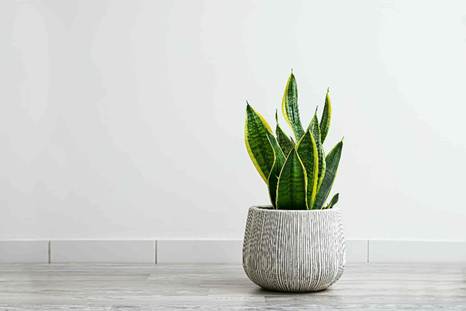
1. Snake plant
Popular for a reason, the humble snake plant looks great while it filters the air.
Benefits: This clever plant converts CO2 into oxygen at night. It also removes other toxic pollutants from your space and improves overall air quality, helping to lessen any allergies during the colder months.
Care: Your snake plant will thrive in low light. Plus, it only needs watering once every few weeks.
2. Aloe vera
A common ingredient in hydrating and moisturising skincare, aloe vera is also a highly attractive plant to have in your home this autumn.
Benefits: The aloe vera plant produces oxygen during the night, making it a great option for your bedroom, especially if your sleep is often disrupted by a blocked or stuffy nose. This multi-purpose plant also reduces moisture in the air, so it’s perfect for keeping mould at bay in bathrooms when windows stay shut for longer during the colder months.
Plus, you can use aloe vera straight from the plant itself to care for your skin! With dry skin issues like eczema often flaring up during autumn and winter, aloe vera is a great plant to have around this time of year. The gel from the leaves is both an antioxidant and antifungal, making it the perfect solution for problem skin.
Care: Keep your aloe vera plant out of the cold and avoid direct sunlight – a bright but sheltered spot is best. Water sparingly.

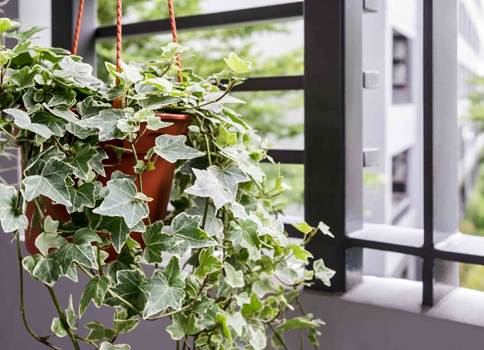
3. English ivy
With its prettily shaped leaves and spiralling growth nature, English ivy is a great addition to your home’s aesthetic.
Benefits: English ivy is another plant with the ability to help remove mould and other pesky pollutant spores from the air – making it the ideal addition to your bathroom, or any other areas of your home that are prone to moisture. Plus, it looks lovely on higher shelves, as it will spiral downwards as it grows!
Care: This plant needs bright, indirect sunlight and plenty of regular watering to ensure good growth. Careful if you have a pet in your home – the English ivy leaves might be pretty, but they’re also toxic to cats and dogs.
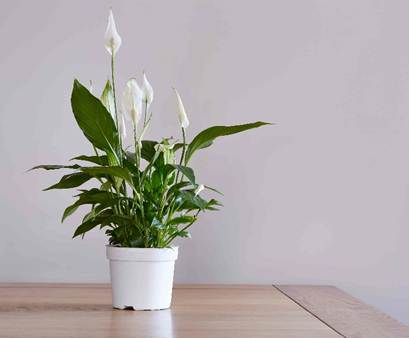
4. Peace lily
Undeniably beautiful, the peace lily is sure to bring a feeling of calm to any space with its gorgeous white flowers.
Benefits: Another one to keep in mind if you suffer from winter colds or allergies, the peace lily can filter pollutants found in the air. It also absorbs and feeds on mould, so it’s the perfect cold-weather addition to bathrooms or mould-prone rooms.
Care: Remember to water your peace lily regularly and keep it in indirect, bright sunlight. You will also need to dust its leaves every now and then. This is another plant that is toxic to pets if eaten, so make sure to keep it well out of reach of curious paws.
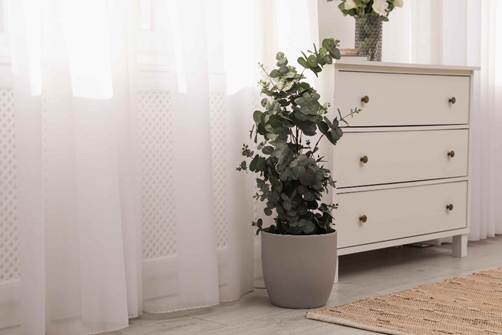
5. Eucalyptus
Perhaps best-known as the diet of choice for cute and cuddly koala bears, eucalyptus is a brilliant plant to have in your home this autumn.
Benefits: Especially handy if you suffer from allergies or you’re prone to colds and flu, eucalyptus is a natural decongestant. Simply take some sprigs and place them in your bathroom before you have a shower or bath. The steam from your hot water will create a natural decongestant in the air, opening up your nasal passages and providing you with some much-needed relief.
Care: More challenging to care for than the other plants on our list, eucalyptus needs plenty of strong, direct sunlight to thrive. Water thoroughly, but ensure that the plant is able to drain completely before you water it again.
For those struggling with bedroom space, Chris Cooper from Hayter – a 75-year-old horticultural machinery manufacturer – explains eucalyptus’ unique benefit in its manoeuvrability:
“While eucalyptus can be grown indoors, you might have more success planting this one outside and bringing the sprigs inside when you need them,” Chris explains.
“Eucalyptus makes a great potted plant for a lawn border, supporting diversity and creating a very calming space. Just make sure to trim regularly, keep away from pets and keep your lawn in good shape so that plants like eucalyptus can thrive without overcrowding.”
6. Pilea Peperomioides
Known as the Chinese money plant, this quirky little plant has perfectly round leaves shaped a bit like coins – hence the name!
Benefits: Mood-boosting and air-purifying, Pilea Peperomioides can drastically improve air quality and remove toxins from your bedroom – which is very beneficial for helping you sleep. They are also closely associated with luck, prosperity and positive energy, which is a definite bonus for lovers of Feng Shui. It also grows very quickly in pots, ideal for a bedroom.
Care: Pilea Peperomioides prefers bright, indirect sunlight – which is great for a bedroom counter or side table. Direct sunlight can scorch the delicate leaves, but the plant does well in average room humidity. For watering, you’ll typically be doing this once per week, or when the top inch of soil is dry.

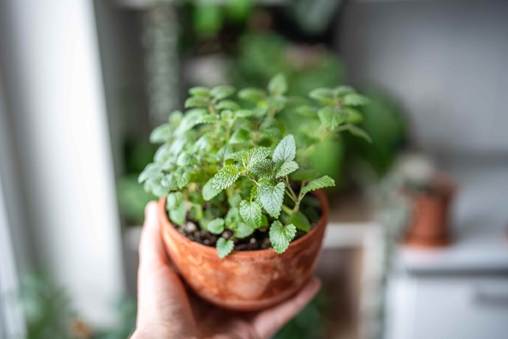
7. Lemon balm
What’s not to like about a lemon balm plant? Tastes great in tea, fairly easy to grow in sun or small amounts of shade and provides a lemon scent throughout your home!
Benefits: Almost doubling as an aromatherapy sleep aid, lemon balm is known for its calming, anxiety-reducing effects that benefit sleep. It’s also a natural air freshener and can be used for all manner of treats – from iced teas to sweeteners.
Care: Lemon balm can tolerate shade, but it does best in bright, indirect sunlight. It likes moderate humidity and the soil should be kept moist at all times – just be careful not to overwater, making it soggy. As a general rule, water when the topsoil feels dry to the touch.
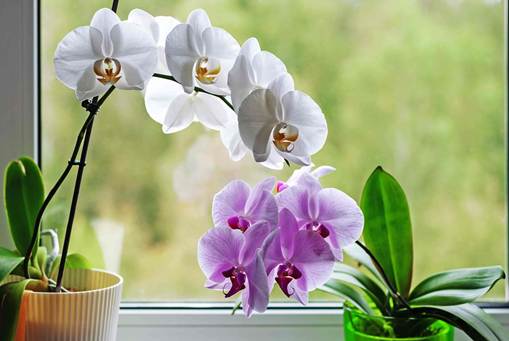
8. Orchid
Known for its bright pops of colour and calming presence, this plant is ideal for bright bedrooms with plenty of natural light – but be warned, this is one of the trickier plants to care for on our list.
Benefits: Air purifying, mood-boosting and great for those sensitive to allergies, orchids are fantastic as statement plants that come with real, tangible benefits. Its colour makes it the perfect plant for bedrooms and, some orchids – like Phalaenopsis – emit oxygen at night, which is also great for sleep.
Care: More difficult to care for than the average indoor plant, orchids prefer humidity between 50–70%, which means regular misting. Keep your orchid in bright, indirect light and water once per week (with excess able to drain). Use orchid bark mix for the soil.
While a little bit pickier when it comes to care, the beautiful pop of colour and restful benefits of orchids make them a wonderful bedroom addition.
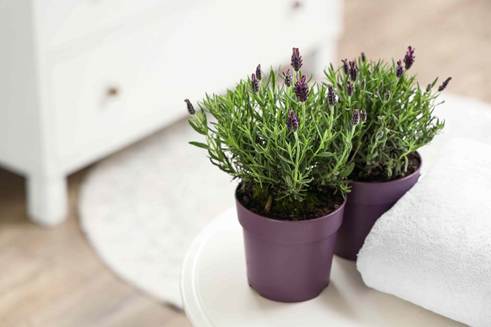
9. Lavender
Another lovely scented plant that’s fairly easy to grow, lavender doubles as an effective sleep aid with a scent that’s famously effective. Swap out your lavender pillow spray for the real thing and enjoy the rest of its bedroom benefits.
Benefits: Lavender is famous for its aromatherapy and air purifying abilities. Its striking purple colour, makes it a popular choice to create a restful vibe in your bedroom.
Care: Lavender does best in full sun – ideally six or more hours a day – so facing a window is greatly preferred. Water sparingly, allowing the water to dry in between, preventing root rot. To allow water to drain well, use a well-draining potting mix, like the one you’d use for succulents.
Laura Cranston, from luxury garden design experts Nth Degree, suggests using lavender in other spaces than just the bedroom:
“Lavender is one of our favourites and works beautifully in almost any setting where you’d like to encourage a sense of calm,” Laura explains. “Cuttings from your bedroom lavender can be replanted in the spring to create a stunning patio table centrepiece, adding a touch of serenity to your outdoor space.”
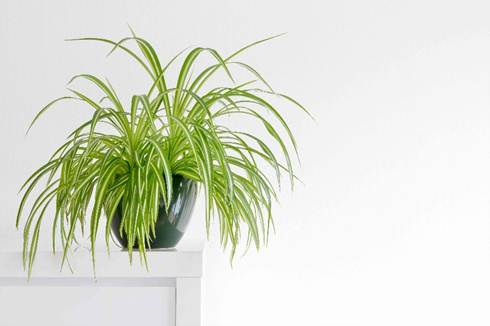
10. Spider plant
One of the easiest plants to care for – and hardest to kill, the spider plant (AKA Chlorophytum comosum) is ideal for first-time plant parents.
Benefits: Spider plants are non-toxic, air-purifying stress reducers, with the added benefit of being very easy to care for. Like most of the plants on this list, they’re also strong oxygen producers – perfect for use as a bedroom sleep aid.
Care: Simple to care for, spider plants need watering once per week, or when the topsoil feels dry. They thrive in bright, indirect light, but they also tolerate low light much better than the average house plant. Other than that, just prune any brown ends and use an all-purpose soil.
Which of these houseplants will you be buying first? Perhaps you have a few of them thriving in your home already?